

Drivers’ strike leaves straphangers waiting for bus
Delays and disrupted service expected in response to breakdown in negotiations with management
 Add ToI as a Preferred Source on Google
Judah Ari Gross is The Times of Israel's religions and Diaspora affairs correspondent.
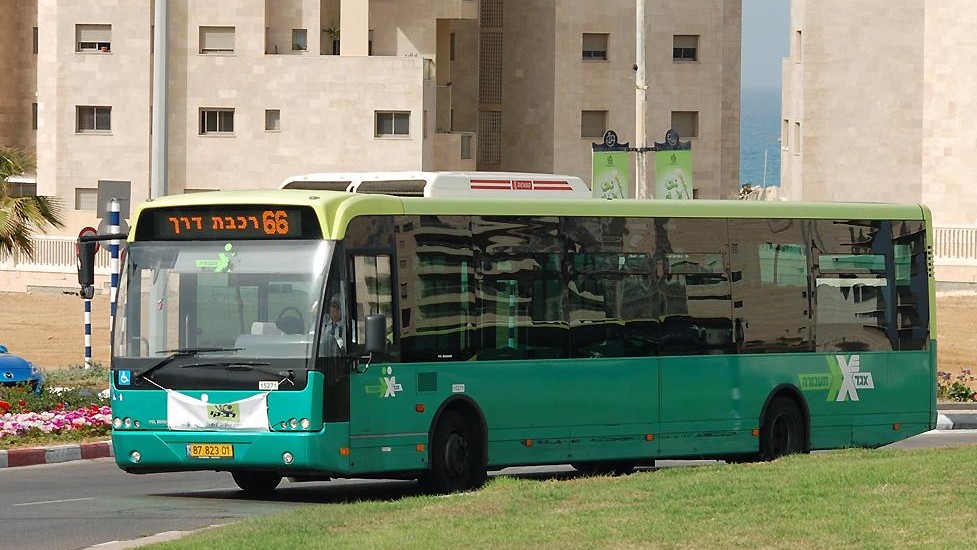
Israelis around the country experienced transportation delays and disrupted service due to a bus drivers’ strike Sunday, with the shutdown expected to carry on through Monday.
Drivers of Egged Ta’avurah, a subsidiary of the national Egged bus line, said they are striking due to a breakdown in contract negotiations.
The drivers were chided for shutting down work on one of the busiest times of the week for public transportation. Sunday mornings in particular see IDF soldiers returning to their bases after weekends at home as entire buses are sometimes entirely taken over by men and women in uniform.
Drivers complained that management has refused to make any concessions in their contract talks, which have been stalled for six months.
This complaint is not unique to Egged Ta’avurah. Earlier this year in April, bus drivers around the country threatened to organize a 24-hour strike, and only a Beersheba Labor Court order prevented the strike from being carried out.
Not all Egged Ta’avurah drivers will take part in the strike, however, as some are not represented by the group Koach LaOvdim in their contract negotiations and instead have personal contracts, one of the drivers explained to Ynet news.
“Throughout the day there will be disruptions [of service] and delays, and some drivers will work twice as hard in order to make up the holes in the work schedule,” he said.
The company’s management insisted that the majority of drivers will work as usual on Sunday, while the Koach LaOvdim — power to the workers, in Hebrew — group claimed 95 percent of the drivers participated in Sunday’s strike.
Egged Ta’avurah mainly operates in three parts of the country: the Netanya area, the Jerusalem suburbs and the northern Negev.
Some riders waiting for their buses deliberated the cost of a cab, while others simply grumbled about the long waits. “Everyone strikes because they want to raise their salary,” one Netanya woman told Ynet news. “They don’t care about the people that want to get to work.”
Others, however, sided with the striking drivers. “They are great drivers who are working very hard. They’re in negotiations and talks with their management for several months already and [the management] won’t deal with them, so they had no other choice,” a Netanya resident explained. “I’m not angry and in my opinion as passengers we should want our drivers to be paid respectfully.”
But the bus company’s CEO, Gideon Mizrachi, said in a statement that the strike is out of line with the reality. “The gaps between the two sides do not justify a strike,” he said, “especially not a two-day strike that starts on a Sunday.”
“There is a clear line between improving workers’ conditions and hurting the company, and that line has been crossed,” Mizrachi said. “It’s time the committee showed some maturity and ended this work conflict in a reasonable way.”










The Times of Israel Community.