

Game On: Iowa caucuses kick off 2016 presidential election
Unexpectedly close primary races in both parties drive expectations of high turnout as voting begins
 Add ToI as a Preferred Source on Google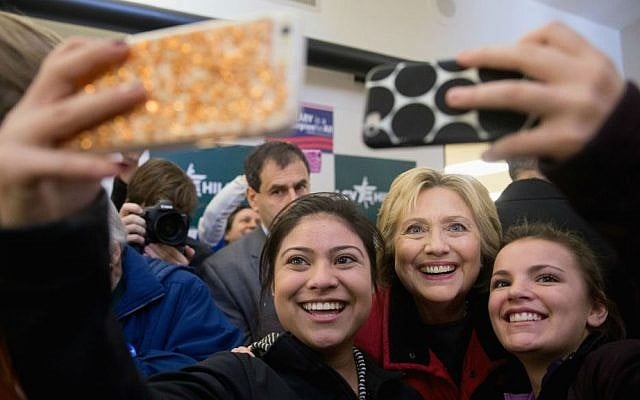
DES MOINES, Iowa (AP) — After a long year of campaigning, Republican and Democratic presidential candidates face voters for the first time, battling in Iowa Monday for a boost toward the White House — or in many cases, simply a reason to stay in the race.
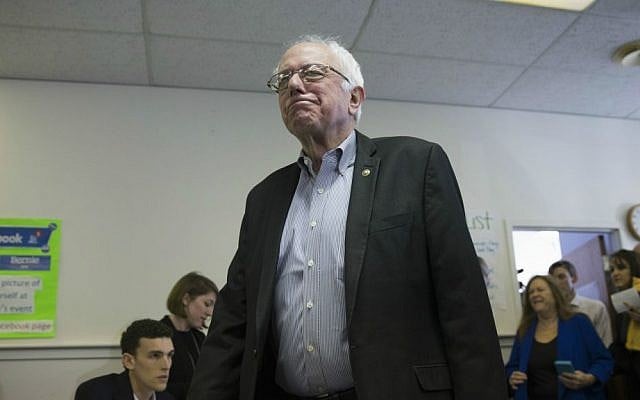
The contests in both parties were tight heading into the evening caucuses. Among Republicans, billionaire Donald Trump appeared to have a slim edge over Texas Sen. Ted Cruz. Hillary Clinton and Vermont Sen. Bernie Sanders were locked in an unexpectedly close Democratic contest, reviving memories of the former secretary of state’s disappointing showing in Iowa eight years ago.
“We knocked on 125,000 doors this past weekend,” Clinton told NBC’s “Today” show. “Although it’s a tight race, a lot of the people who are committed to caucusing for me will be there and standing up for me and I will do the same for them in the campaign and in the presidency.”
Candidates face an electorate deeply frustrated with Washington. While the economy has improved under President Barack Obama’s watch, the recovery has eluded many Americans. New terror threats at home and abroad have also ratcheted up national security concerns.
In Iowa, which has for decades launched the presidential nominating contest, candidates also face an electorate that’s whiter, more rural and more evangelical than many states. But, given its prime leadoff spot in the primary season, the state gets extra attention from presidential campaigns.
Even so, Iowa has decidedly mixed results in picking eventual nominees. The past two Republican caucus winners — former Arkansas Gov. Mike Huckabee and former Pennsylvania Sen. Rick Santorum — faded as the race stretched on. But Obama’s unexpected 2008 victory was instrumental in his path to the Democratic nomination, easing the anxieties of those who worried the young black senator would struggle to win white voters.
Monday’s contest will offer the first hard evidence of whether Trump can turn the legion of fans drawn to his plainspoken populism into voters. He has intensified his campaign schedule during the final sprint, including a pair of rallies Monday where he predicted “a tremendous victory.”
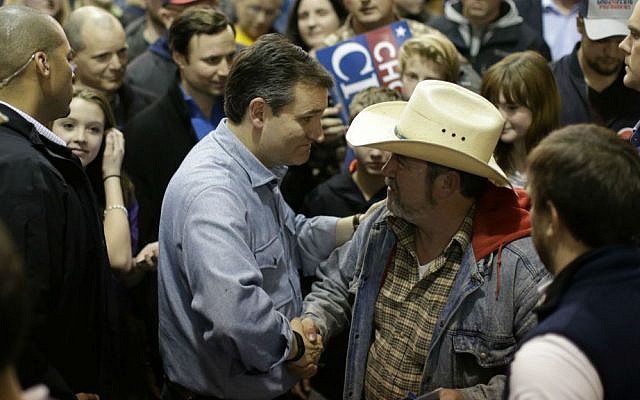
Cruz has modeled his campaign after past Iowa winners, visiting all of the state’s 99 counties and courting influential evangelical and conservative leaders. With the state seemingly tailor-made for his brand of uncompromising conservatism, a loss to Trump would likely be viewed as a failure to meet expectations.
Seeking to tamp down expectations, Cruz said Sunday, “If you had told me a year ago that two days out from the Iowa caucuses we would be neck and neck, effectively tied for first place in the state of Iowa, I would have been thrilled.”
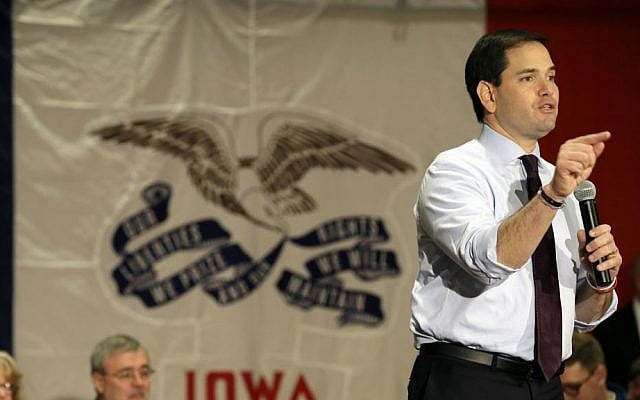
Cruz has spent the closing days of the Iowa campaign focused intensely on Marco Rubio, trying to ensure the Florida senator doesn’t inch into second place. Rubio is viewed by many Republicans as a more mainstream alternative to Trump and Cruz, though he’ll need to stay competitive in Iowa in order to maintain his viability.
Rubio, who previously lashed back at criticism, adopted the same reflective tone as many of his rivals on Monday, telling NBC that Cruz “has a very strong ground game.” He dismissed attacks against him as “politics as usual.”
The campaigns were anxiously keeping an eye on the weather. A snowfall forecast to start Monday night appeared more likely to hinder the hopefuls in their rush out of Iowa than the voters.
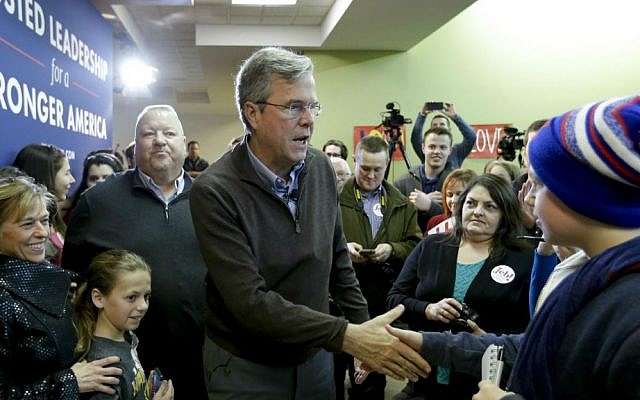
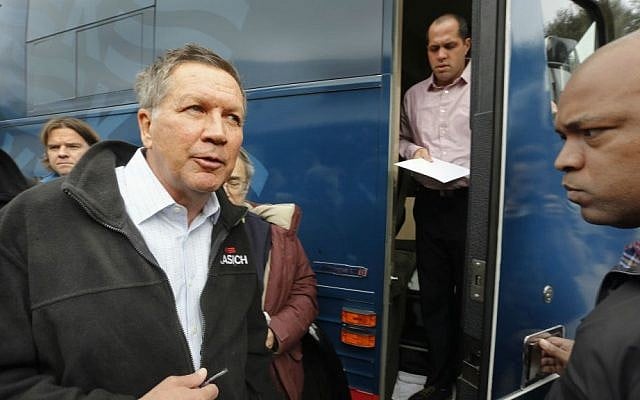
Republicans John Kasich, Chris Christie and Jeb Bush were all spending Monday night in New Hampshire — not only to get a jump on the weather but also on their competitors in a state with voters who are expected to be friendlier to more traditional GOP candidates.
Speaking in Hopkinton, New Hampshire, Christie urged voters to back a candidate they believe “symbolizes what this country stands for.”
Unlike in primaries, where voters can cast their ballots throughout the day, the caucuses begin across Iowa at 7 p.m. CST. Democrats gather at 1,100 locations and Republicans at nearly 900.
Turnout was expected to be strong.
While both parties caucus on the same night, they do so with different rules.
Republicans vote by private ballot. The state’s 30 Republican delegates are awarded proportionally based on the vote.
Democrats form groups at caucus sites, publicly declaring their support for a candidate. If the number in any group is less than 15 percent of the total, they can either bow out or join another viable candidate’s group.
Those final numbers are awarded proportionately, based on statewide and congressional district voting, determining Iowa’s 44 delegates to the national convention.
Copyright 2016 The Associated Press.





The Times of Israel Community.