

In Iran deal, Obama sees validation for diplomatic gamble
Sheer amount of time, political capital invested by president in the talks has fueled speculation that he had too much at stake to walk away from the table, no matter the compromises
 Add ToI as a Preferred Source on Google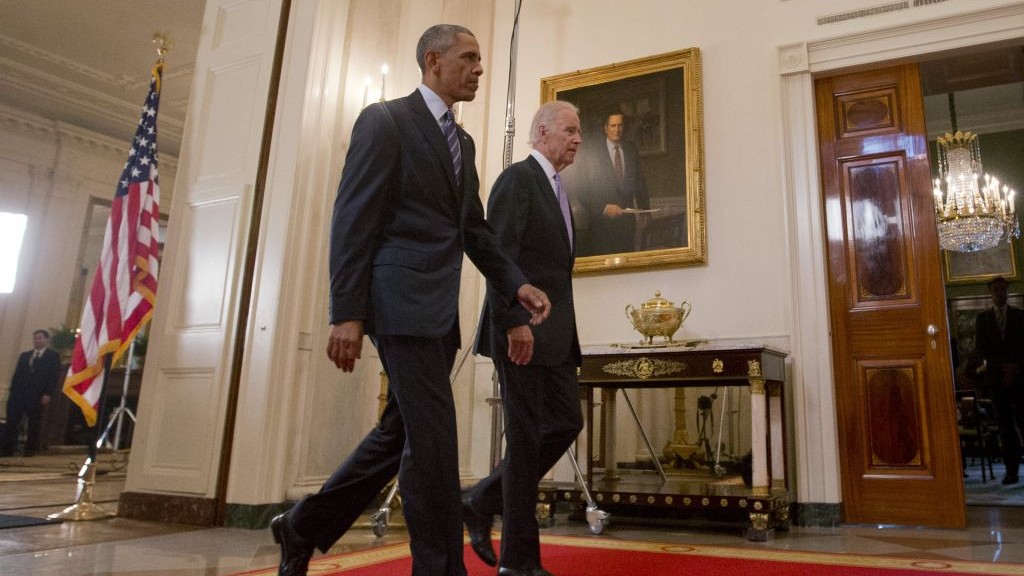
WASHINGTON (AP) — To President Barack Obama, the historic nuclear accord with Iran is a validation of an arduous, politically fraught diplomatic gamble, one he foreshadowed before winning the White House and one that will shape his legacy long after he leaves.
The deal to curb Iran’s nuclear program may prevent Tehran from developing a bomb or being the target of US military action during Obama’s presidency. But whether the agreement succeeds in stemming Iran’s nuclear ambitions after his tenure is a far murkier question.
The sheer amount of time and political capital Obama invested in the Iran talks has fueled speculation that he had too much at stake to walk away from the negotiating table, no matter the compromises in a final deal. Obama authorized secret talks with Iran in 2012, followed by nearly two years of formal negotiations alongside Britain, France, Germany, Russia and China. His rapprochement with Iran sent US relations with Israel plummeting to near-historic lows and deepened tensions with Congress.
Even with the high-stakes implications of an Iranian nuclear program, the talks over time seemed to represent more than just the quest for a deal. They were a referendum on Obama’s belief that even America’s most ardent enemies can be brought in line by wielding diplomacy and economic pressure instead of military might.
“It represents the core of who he is and what his presidency stands for,” said Julianne Smith, a former Obama White House and Pentagon official. “He needs it to validate that approach.”
With the deal now in hand, one of Obama’s top priorities is selling its virtues to skeptical lawmakers and world leaders, as well as the American public. He spent much of Tuesday calling leaders in Europe and the Middle East, including Israeli Prime Minister Benjamin Netanyahu.
Netanyahu, a fierce opponent of the deal, said his country is not bound by the terms of the agreement and “will reserve our right to defend ourselves against all of our enemies.”
Obama was also poised to defend the deal in a news conference Wednesday, while dispatching Vice President Joe Biden to Congres to meet with House Democrats.
“I’m here to answer questions and explain what the deal is and I’m confident they’ll like it when they understand it all,” Biden told reporters as he entered the closed-door session.
Senior US officials say Obama is sensitive to the perception he was desperate for a deal. With big gaps remaining as a June 30 deadline neared for a final agreement, officials said the president urged his team to send clear messages to Iran both publicly and privately that the US was ready to end the talks without an agreement.
“He did not want people to have the impression that this is something we needed to have,” one official said, adding that Obama was frequently among the most pessimistic members of his national security team about the prospects for a deal.
Officials also pointed to a video conference Obama convened with Kerry and other negotiators last week as an example of his willingness to forgo a deal. With momentum for an agreement building in Vienna and a deadline to limit congressional oversight looming, officials said Obama essentially rejected the deal at hand because timetables for keeping restrictions on Iran’s nuclear program and a UN arms embargo in place were insufficient.
The officials insisted on the condition of anonymity in order to discuss the president’s thinking.
Obama first planted the seeds for engagement with Iran as a presidential candidate, saying in a 2007 Democratic primary debate that he would be willing to meet with Iranian leaders without preconditions.
The president’s opening months in office included public and private overtures to Tehran, all with a more conciliatory tone aimed at signaling a shift from predecessor George W. Bush, who cast Iran as part of an “axis of evil.”
Obama has taken a similar approach — clandestine diplomacy, prioritizing negotiations over military action — to other foreign policy challenges, with mixed results. Plans to negotiate an end to Syria’s bloody civil war have gone nowhere. A resumption of diplomatic relations with Cuba after a half-century of hostilities is moving along largely as planned.
Copyright 2015 The Associated Press.








The Times of Israel Community.