

Iran predicts budget boost after OPEC output deal
Despite increase in oil price following agreed production cuts, uncertainty over sanctions and banks’ skittishness keep growth in check
 Add ToI as a Preferred Source on Google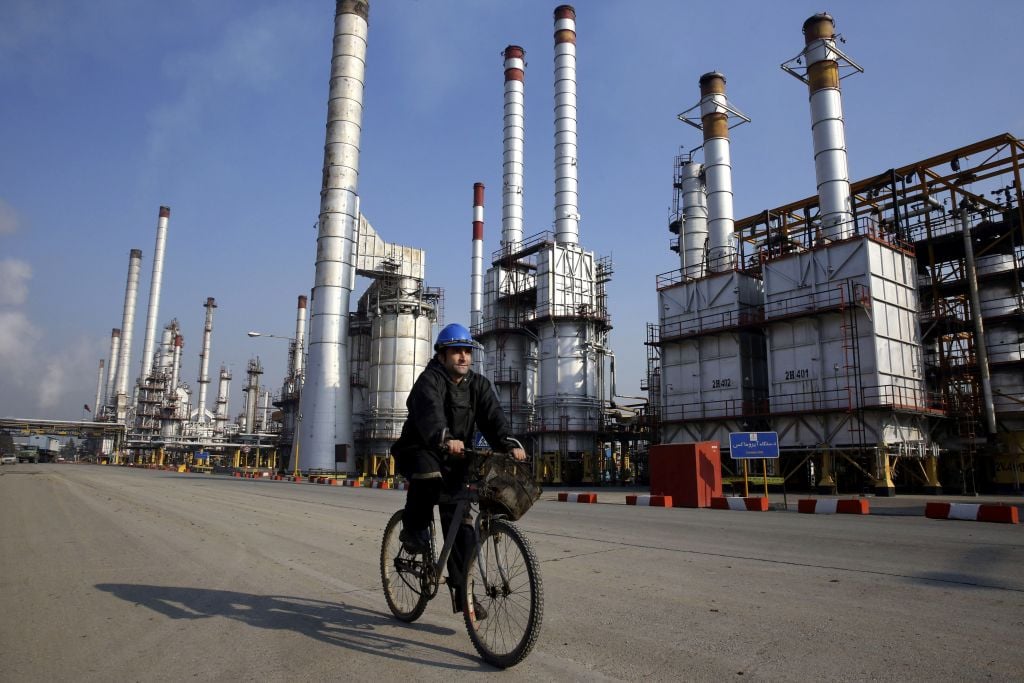
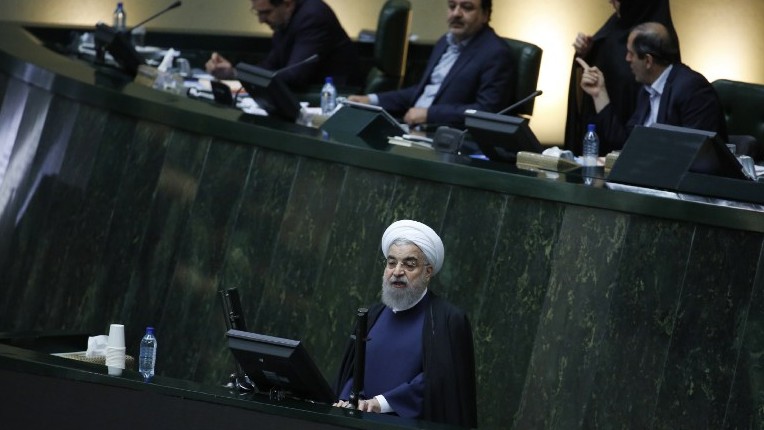
TEHRAN, Iran — Iran’s President Hassan Rouhani presented his budget Sunday, with OPEC’s decision to cut production helping to boost its expected oil revenues.
Rouhani’s 2017-2018 budget is based on oil prices of $50 per barrel, up from $40 last year, with a focus on unemployment, water resources, railways and the environment.
The sums look realistic after last week’s historic agreement by the 14-member Organization of the Petroleum Exporting Countries (OPEC) to cut production by 1.2 million barrels per day (bpd), which has already boosted oil prices to over $50.
Iran was exempted from the cuts as it seeks to regain the market share it lost during years of international sanctions.
Since sanctions were lifted in January under a nuclear deal with world powers, its oil production has risen from 2.7 million bpd to 3.8 million, Rouhani said, and it aims to hit almost 4 million bpd by mid-2017.
However, Rouhani said Iran still needed to meet its target of 8 percent growth over the next five years as it seeks to rebuild an economy ravaged by international sanctions and domestic mismanagement.
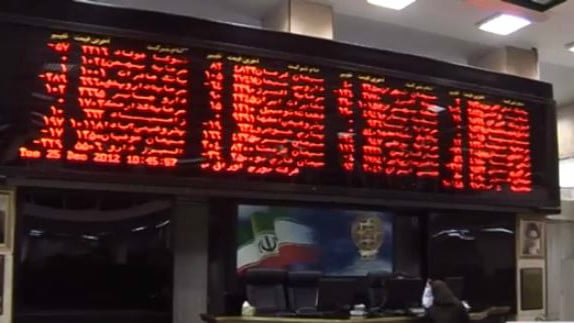
Adding to the challenges, the rial has taken a pounding in the past two weeks, losing more than 8% of its value and falling to around 39,500 to the dollar on the open market.
The rial’s collapse has been closely tied to events in Washington, where the US Congress voted last week to renew sanctions against Iran that were not covered under the nuclear deal.
The election of Donald Trump, and his appointment of several people with strongly anti-Iranian views, have also added to the uncertainty around Iran’s economy.
Rouhani called the potential renewal of sanctions a “clear violation of the nuclear accord” and called on President Barack Obama to veto the bill when it lands on his desk this week.
“If the American president renews this law, it will be contrary to America’s commitments and we will react,” Rouhani told parliament.
Conservatives in Iran have criticized Rouhani over the nuclear deal, saying it has brought few economic benefits.
Although many countries have dropped their sanctions and are eager to do business with Iran, trade deals have been blocked by the refusal of global banks to return to the country, fearing they may fall foul of the remaining US sanctions.
Rouhani faces a tough bid for a second term at elections in May, although a clear rival has yet to emerge from the conservative camp.










The Times of Israel Community.