

Iran says embassy hit by Saudi strike in Yemen
No visible signs of damage to building but claim represents escalation of spreading Saudi-Shiite tensions
 Add ToI as a Preferred Source on Google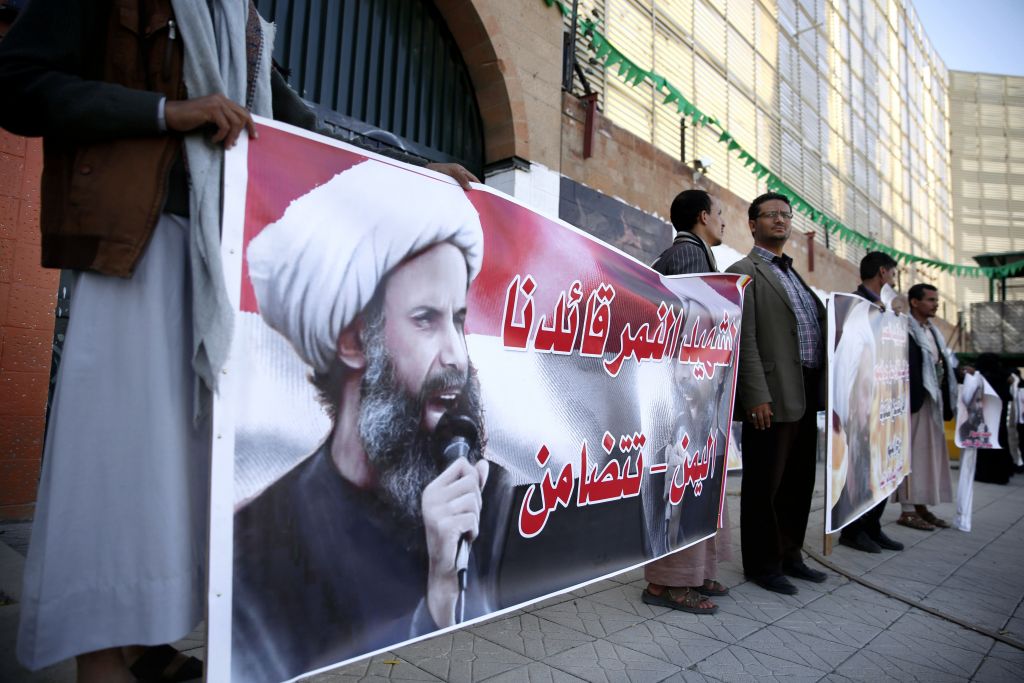
TEHRAN, Iran (AP) — Iran on Thursday accused the Saudi-led coalition battling Shiite rebels in Yemen of hitting its embassy in the capital, Sanaa, in an overnight airstrike, but there were no visible signs of damage on the building.
The accusation comes amid a dangerous rise in tensions between Iran and Saudi Arabia, following the kingdom’s execution of a Shiite cleric and attacks on Saudi diplomatic posts in the Islamic Republic.
Analysts have feared the dispute could boil over into the proxy wars between the two Mideast rivals in Yemen and in Syria.
Meanwhile, Saudi Arabia’s eastern Shiite heartland prepared to hold a funeral service Thursday night to honor the executed Shiite cleric, Nimr al-Nimr. That could spark further unrest, as witnesses in eastern Saudi towns have reported hearing gunfire overnight and armored personnel carriers have been seen driving through neighborhood streets.
On Thursday afternoon, Iran’s state-run news agency said a Saudi-led airstrike the previous night hit the Iranian embassy in Sanaa, citing Iran’s Foreign Ministry spokesman. However, an Associated Press reporter who reached the site just after the announcement saw no visible damage to the building.
Saudi officials could not immediately be reached for comment.
The diplomatic standoff between Iran and Saudi Arabia began on Saturday, when the kingdom executed al-Nimr and 46 others convicted of terror charges — the largest mass execution it has carried out since 1980. Al-Nimr was a staunch critic of the Saudi government and demanded greater rights for the kingdom’s Shiite population, but always denied advocating violence.
Iranian protesters responded by attacking the Saudi Embassy in Tehran and its consulate in Mashhad. Late Sunday, Saudi Arabia announced it was severing relations with Iran because of the assaults. On Wednesday, Iranian diplomats in Saudi Arabia returned to Tehran, according to state media.
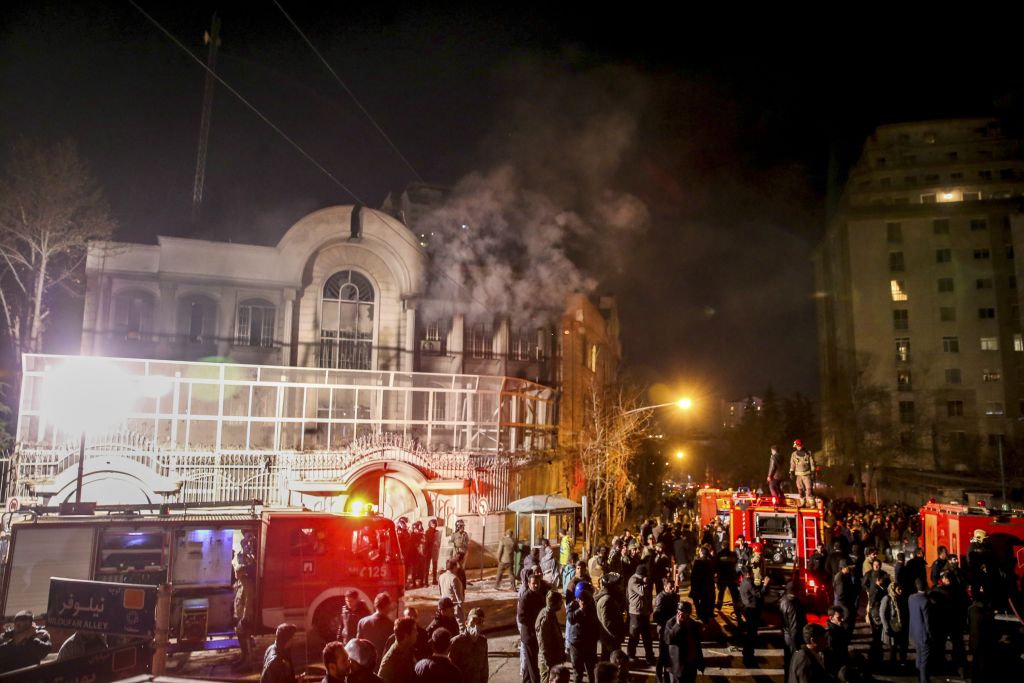
Since Saudi Arabia severed ties to Iran, a host of its allies have cut or reduced their ties as well. Saudi Arabia and its allies say al-Nimr was found guilty of terrorism charges, and that condemnation of the execution amounts to meddling in Riyadh’s internal affairs.
In eastern Saudi Arabia, the home of al-Nimr and much of the kingdom’s roughly 10 to 15 percent Shiite population, three days of mourning over his death ended Wednesday night. Mohammed al-Nimr, the sheikh’s brother, said people planned to hold a funeral Thursday for the cleric, though Saudi authorities already buried his corpse in an undisclosed cemetery.
There are concerns new unrest could erupt. Al-Nimr’s brother, as well as another local resident of al-Awamiya in eastern Saudi Arabia, said they’ve heard gunfire on recent nights.
The local resident, who spoke to the AP on condition of anonymity out of fear for her safety, shared a mobile phone video showing Saudi armored personnel carriers traveling through local streets.
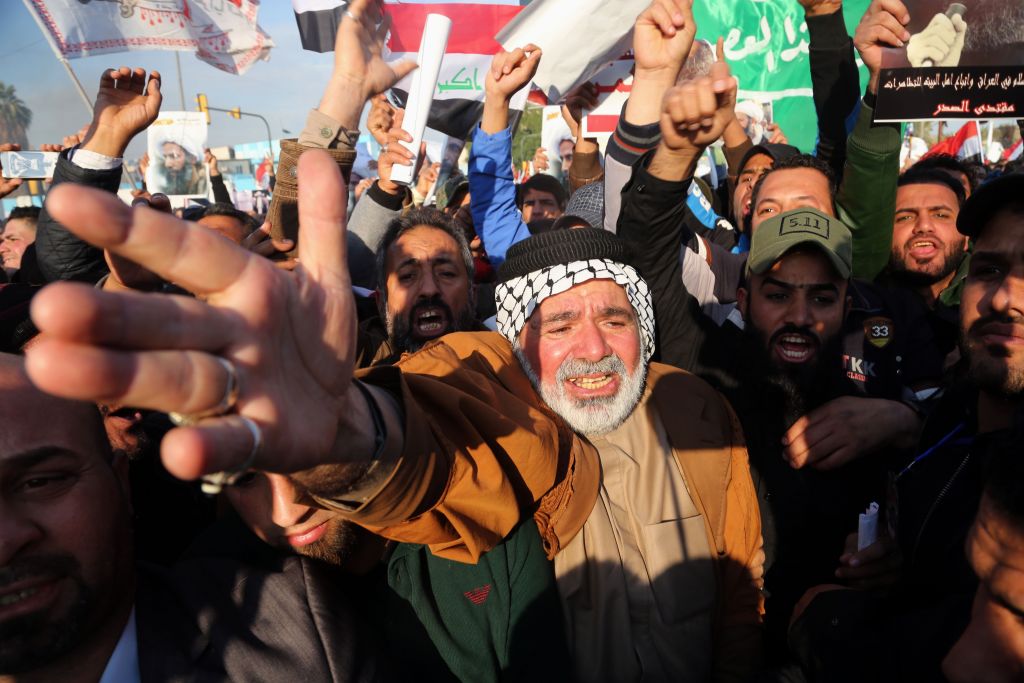
More than 1,040 people were detained in Shiite protests in eastern Saudi Arabia between February 2011 and August 2014, according to Human Rights Watch. That watchdog and others have alleged that Saudi officials discriminate against the Shiites by rarely allowing them to build mosques and limiting their access to public education, government employment and the justice system, something the government denies.
Many ultraconservatives of the Saudi Wahhabi school of Islam view Shiites as heretics.
Meanwhile Thursday, Iran banned the import of goods from Saudi Arabia over the tensions, according to a report by Iranian state television. It said the decision came during an emergency meeting of the Cabinet of President Hassan Rouhani.
Iran’s annual exports to Saudi Arabia are worth about $130 million a year and are mainly steel, cement and agricultural products. Iran’s annual imports from Saudi Arabia total about $60 million a year and consisted mostly of packing materials and textiles.
In other developments, Saudi Foreign Minister Adel al-Jubeir arrived in Pakistan’s capital, Islamabad, for meetings with Pakistani leaders. Pakistan, which is a predominantly Sunni Muslim state but has a large Shiite minority, has expressed hope that Saudi Arabia and Iran will be able to normalize their relations.
Copyright 2016 The Associated Press.






The Times of Israel Community.