

Iraqi troops advance in battle for IS-held city of Ramadi
Islamic State suffers major blow as government forces take key territory in western Anbar province
 Add ToI as a Preferred Source on Google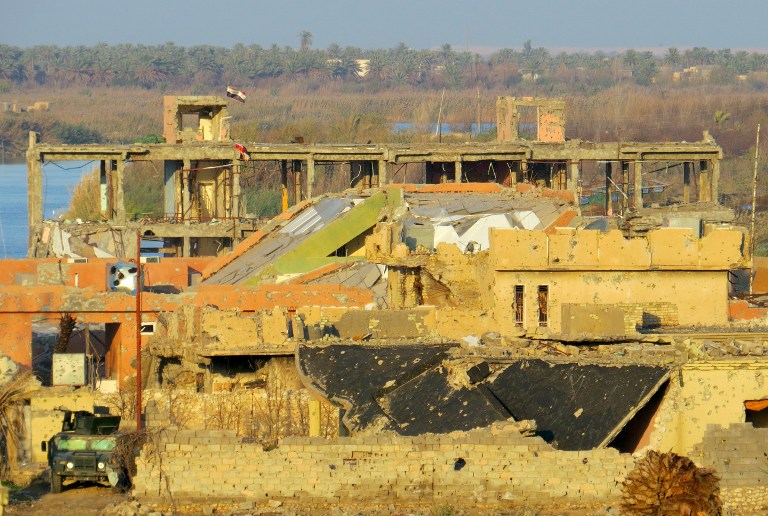
BAGHDAD (AP) — Iraqi forces on Tuesday reported progress in the military operation to retake the city of Ramadi from the Islamic State group, saying they made the most significant incursion into the city since it fell to the militants in May.
Losing Ramadi — the capital of sprawling western Anbar province and Iraq’s Sunni heartland — was a major blow to the Iraqi government. It was also the government’s biggest defeat since IS militants swept through areas in the country’s north and west, including Iraq’s second-largest city of Mosul, in the summer of 2014.
Iraqi forces announced a counteroffensive shortly afterward Mosul fell but progress has been sluggish and clawing territory back from IS has proven more difficult than expected.
On Tuesday, Iraqi spokesman Sabah al-Numan said troops crossed the Euphrates River north of the city and its Warar tributary to the west and pushed into downtown Ramadi.
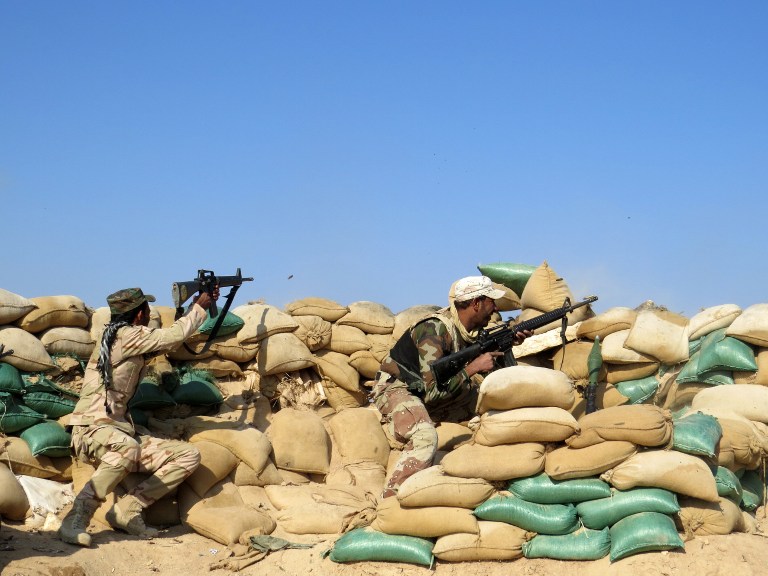
From the south, troops led by the counter-terrorism agency made progress in the Dubbat and Aramil neighborhoods, about 3 kilometers (less than 2 miles) from the city center, General Ismail al-Mahallawi, the head of operations in Anbar province, told AP.
Sporadic clashes broke out and Iraqi forces on the advance were forced to remove roadside bombs planted by the extremists, al-Numan added.
Dubbat saw heavy fighting, with one soldier killed and 14 wounded, said an official in the Anbar operations room, speaking on condition of anonymity because he was not authorized to brief the media.
Al-Numan said no paramilitary forces — a reference to pro-government Shiite militias whose actions have raised concerns in Sunni territory — were taking part in the operation. The Iraqi air force and the US-led international coalition were providing air support to troops on ground and bombing IS targets, he said.
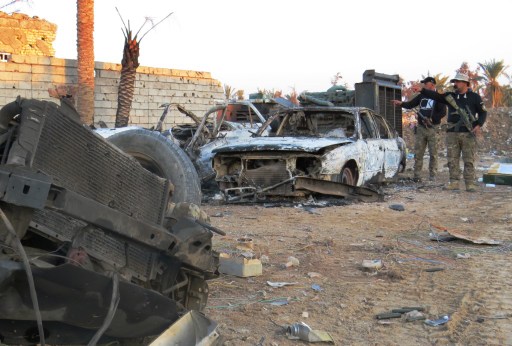
Since overrunning Ramadi, just 130 kilometers (80 miles) west of Baghdad, the Islamic State group has destroyed all the bridges around the city. It also demolished the Anbar operations command and fanned out into the city’s residential areas to set up less conspicuous centers of command.
As the military operation continues, Ramadi’s civilian population — estimated to be between 4,000 and 10,000 — remains mostly trapped inside the city. Iraqi officials say they believe civilians will be able to flee the city, but coalition officials report that so far they have only witnessed small groups doing so.
Ramadi, like the rest of Anbar province, is overwhelmingly Sunni Muslim, the minority community that complains of discrimination by the Shiite-led government in Baghdad. Some Sunnis in other parts of Anbar and in northern Iraq welcomed IS rule, at least initially.
Copyright 2015 The Associated Press.







The Times of Israel Community.