

Israel denies visits to hunger striking Palestinians, says Barghouti’s wife
Fedwa Barghouti, whose husband, a convicted terrorist, is leading the strike, says Supreme Court declared ban illegal
 Add ToI as a Preferred Source on Google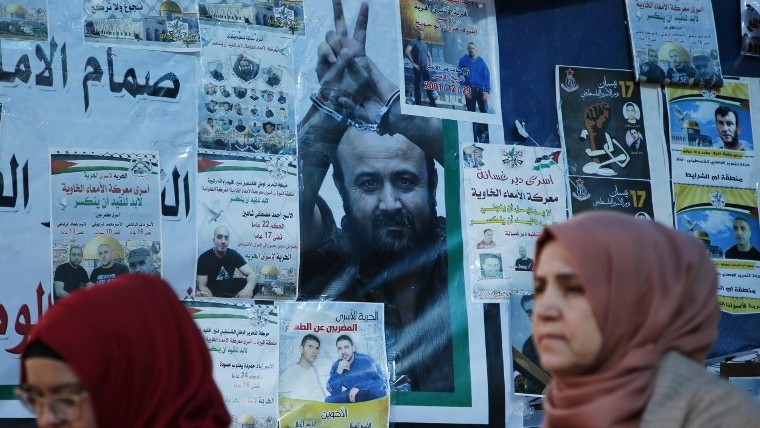
Israel has forbidden contact with the 1,500 Palestinian prisoners on hunger strike for the past eight days, the lawyer wife of protest leader Marwan Barghouti told AFP on Tuesday.
“International organizations like the Red Cross, Israeli Arab parliamentarians and lawyers are forbidden from visiting the prisoners on strike,” said Fedwa Barghouti, who like her husband is a senior member of PA President Mahmoud Abbas’s Fatah party.
“These Israeli measures are illegal and contravene the most basic of human rights,” she said.
Lawyers got Israel’s Supreme Court to declare the ban illegal, but “were surprised to find they were still not permitted to visit detainees on the pretext that their health did not allow it,” Barghouti added.
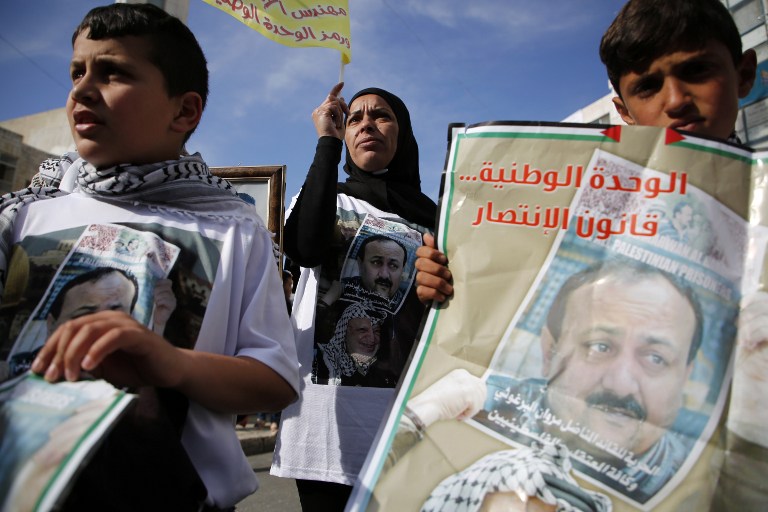
Her 57-year-old husband, who is serving five life sentences after he was convicted in 2004 in a civil court of initiating and planning multiple deadly terror attacks against Israeli civilians during the Second Intifada, went on hunger strike on April 17 to demand better conditions.
He was joined in the protest by more than 1,000 other Palestinian prisoners who say they will go without food until their demands, ranging from better medical care to phone access, are granted.
On Monday, Palestinian NGO the Palestinian Prisoners’ Club said Barghouti’s health had declined seriously since the protest began.
Palestinian officials warned that if he gets worse, it could spark an “explosion.”
A spokesperson for the Israeli Prisons Service said he was “not aware” of any signs that Barghouti’s health was declining.
“The hunger strike is his choice. If he does not feel well, then he can eat,” the Prisons Service spokesman said.
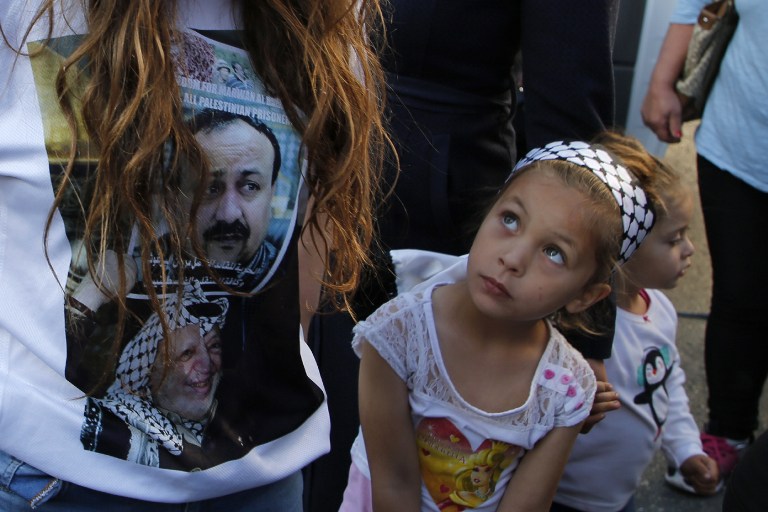
Barghouti is popular among Palestinians, with polls suggesting he could win the Palestinian presidency.
Palestinian leaders have denounced Israel’s refusal to negotiate with the hunger strikers, warning of a “new intifada” if any of them die.
On Tuesday, the committee that backs the hunger strikers called for a boycott on Israeli products and for trucks to be blocked from entering Palestinian territory.
“Not buying Israeli products is the least every citizen can do to support the strike,” it said in a statement.
Some 6,500 Palestinians are currently detained by Israel for a range of security offenses and crimes. Around 500 are held under administrative detention, a controversial counter-terror practice that allows for extended imprisonment without charges.
Palestinian prisoners have previously mounted hunger strikes, but rarely on such a scale.
Among the demands made by Barghouti and fellow prisoners are the resumption of a second monthly visit by family members (a benefit that was canceled by the International Committee of the Red Cross last year due to budget cuts), the prevention of family meetings being canceled for security reasons, extending the length of each visit from 45 minutes to an hour and a half, and the restoration of academic studies and matriculation exams for prisoners.
Other demands include more television channels being available in cells and the installation of public telephones in security wings.








The Times of Israel Community.