

Lebanon’s Hezbollah slams Gulf for ‘terror’ designation
Party lawmaker promises monarchies will face ‘consequences’ for ‘hostile’ decision to blacklist it
 Add ToI as a Preferred Source on Google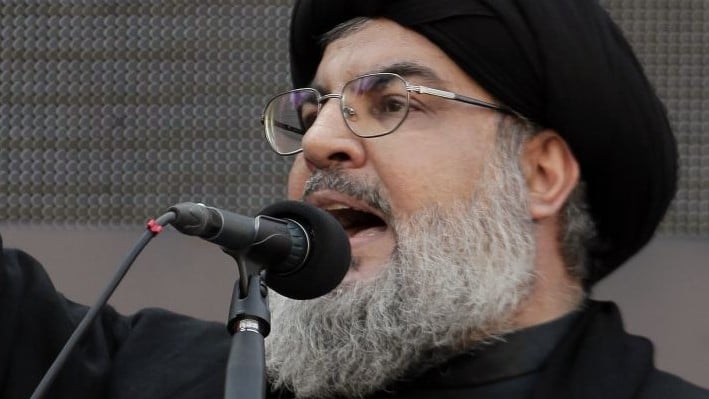
Lebanon’s Hezbollah on Thursday criticized as “irresponsible” a decision by Gulf monarchies to classify the militant group as a “terror” organisation for its role in regional conflicts.
“The decision by the Gulf Cooperation Council to designate Hezbollah as a terrorist organisation is irresponsible and hostile and the Saudi regime must face the consequences,” Hezbollah lawmaker Hassan Fadlallah said after a meeting of the group’s parliamentary bloc.
The GCC on Wednesday designated the Shiite movement for its “terrorist acts and incitement in Syria, Yemen and in Iraq.”
The move was the latest step taken by Gulf states, led by Sunni powerhouse Saudi Arabia, against Hezbollah, which is backed by Riyadh’s main regional rival Iran.
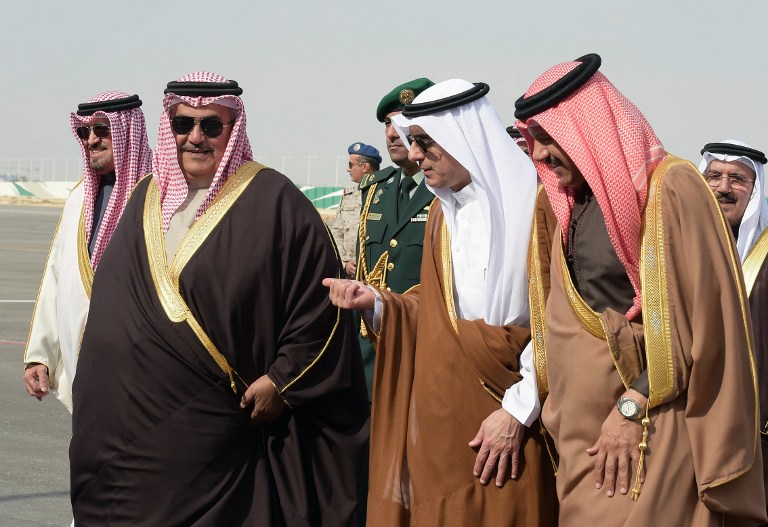
Last month, Saudi Arabia halted a $3 billion program for military supplies to Lebanon to protest what it said was “the stranglehold of Hezbollah on the state.”
It urged its nationals last week to leave Lebanon and avoid travelling there.
Qatar and Kuwait followed with similar travel advisories, while the United Arab Emirates banned its nationals from travel to Lebanon.
Hezbollah is fighting in support of the government of Syrian President Bashar al-Assad against Gulf-backed rebel fighters and extremist militants.
The war in Syria has increased existing divisions between Lebanon’s political blocs and produced a string of bombing attacks carried out by Syria-based militants on Lebanese soil.
Saudi Arabia has accused Hezbollah of supporting Iran-backed rebels in Yemen — against whom Riyadh has led a bombing campaign since March 2015.
Fadlallah said the GCC decision “won’t prevent us from condemning the crimes of Saudi Arabia in Yemen, the kingdom’s financing and support of terrorist groups in Iraq and Syria, or its collaboration with (Israel).”
Hezbollah chief Hassan Nasrallah this week said Riyadh had no right to collectively punish Lebanon over a disagreement with the Shiite movement’s policies.
And Iran — Hezbollah’s principal backer — on Thursday warned that its Gulf Arab rivals were jeopardising Lebanon’s stability by blacklisting the group.





The Times of Israel Community.