

Syria calls chemical arms accusations ‘campaign of lies’
Regime rejects claim of three chlorine attacks, saying it is based on ‘inaccurate and unconvincing findings’
 Add ToI as a Preferred Source on Google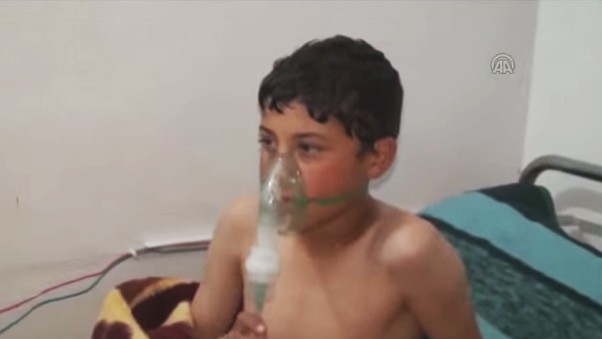
THE HAGUE, Netherlands (AFP) — Syria launched a blistering verbal attack Monday on “Western” countries that have accused it of using chemical weapons in its deadly five-year conflict, calling the allegations “a campaign of lies.”
“The multitude of accusations, made in some Western circles without any tangible evidence, as to the responsibility of the Syrian government in cases of use of toxic chemicals are but a part of a coordinated and repeated campaign of lies,” Syria’s deputy foreign minister Faisal Mekdad said.
He was speaking at the annual conference of countries belonging to the Chemical Weapons Convention, an arms treaty that binds all its member states to help rid the world of chemical weapons.
More than 300,000 people have been killed since Syria’s conflict began with anti-government protests in March 2011.
Both the regime of Syrian President Bashar Assad and the Islamic State group have been accused of unleashing toxic arms during the conflict.

A panel set up by the UN, known as the Joint Investigative Mechanism, has already determined during a year-long probe that Syrian government forces carried out three chlorine gas attacks on villages in 2014 and 2015.
It was the first time that an international inquiry pointed the finger of blame at Assad and his forces, after years of denial from Damascus since the start of the civil war.
The panel consisting of UN and experts from the Organisation for the Prohibition of Chemical Weapons also found that the IS group — which captured a large swathe of Iraq and Syria in 2014 — was behind a mustard gas attack in Syria in August 2015.
But Mekdad on Monday disputed the JIM’s findings, saying its reports were made on “the basis of inaccurate and unconvincing findings,” which “undermines the credibility of the OPCW.”
The world should instead be concerned about stopping terror groups like IS from making and using chemical weapons, Mekdad added.
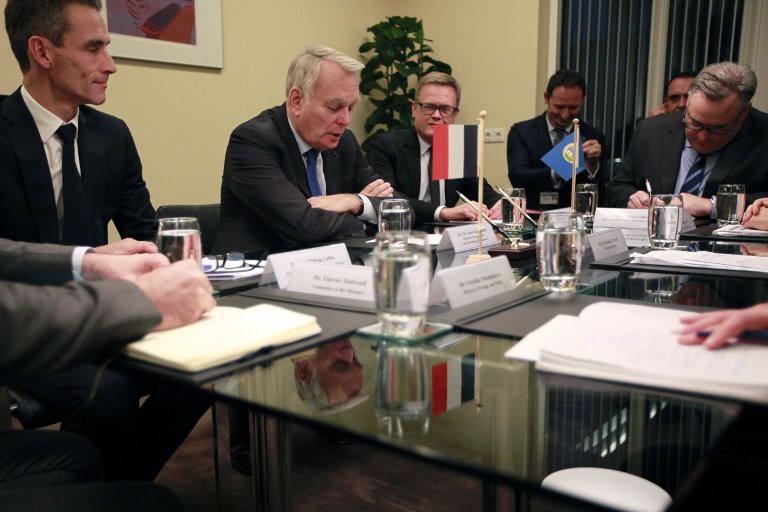
Speaking at the start of the five-day conference in The Hague, OPCW chief Ahmet Uzumcu however stressed that “gaps, inconsistencies and discrepancies” remain in Syria’s statements about its own chemical weapons program.
It has been more than three years since Syria caved to international pressure under a Russia-US brokered deal in September 2013, and agreed to hand over its chemical stockpile to the OPCW for destruction.
It was the first time Syria publicly acknowledged having a chemical arms stockpile and came after a sarin gas attack in August that year on rebel-held areas near Damascus blamed on Assad’s regime.
Uzumcu told AFP earlier this month that the OPCW is probing more than 20 reports of the alleged use of toxic arms in Syria since August.


The Times of Israel Community.