

Afraid and angry, Lebanese gather on a Beirut beach after fleeing suburbs en masse
Shelters nearing capacity after IDF urges residents of Hezbollah stronghold Dahiyeh to evacuate, as the terror group fires rockets at Israel during Iran war
 Add ToI as a Preferred Source on Google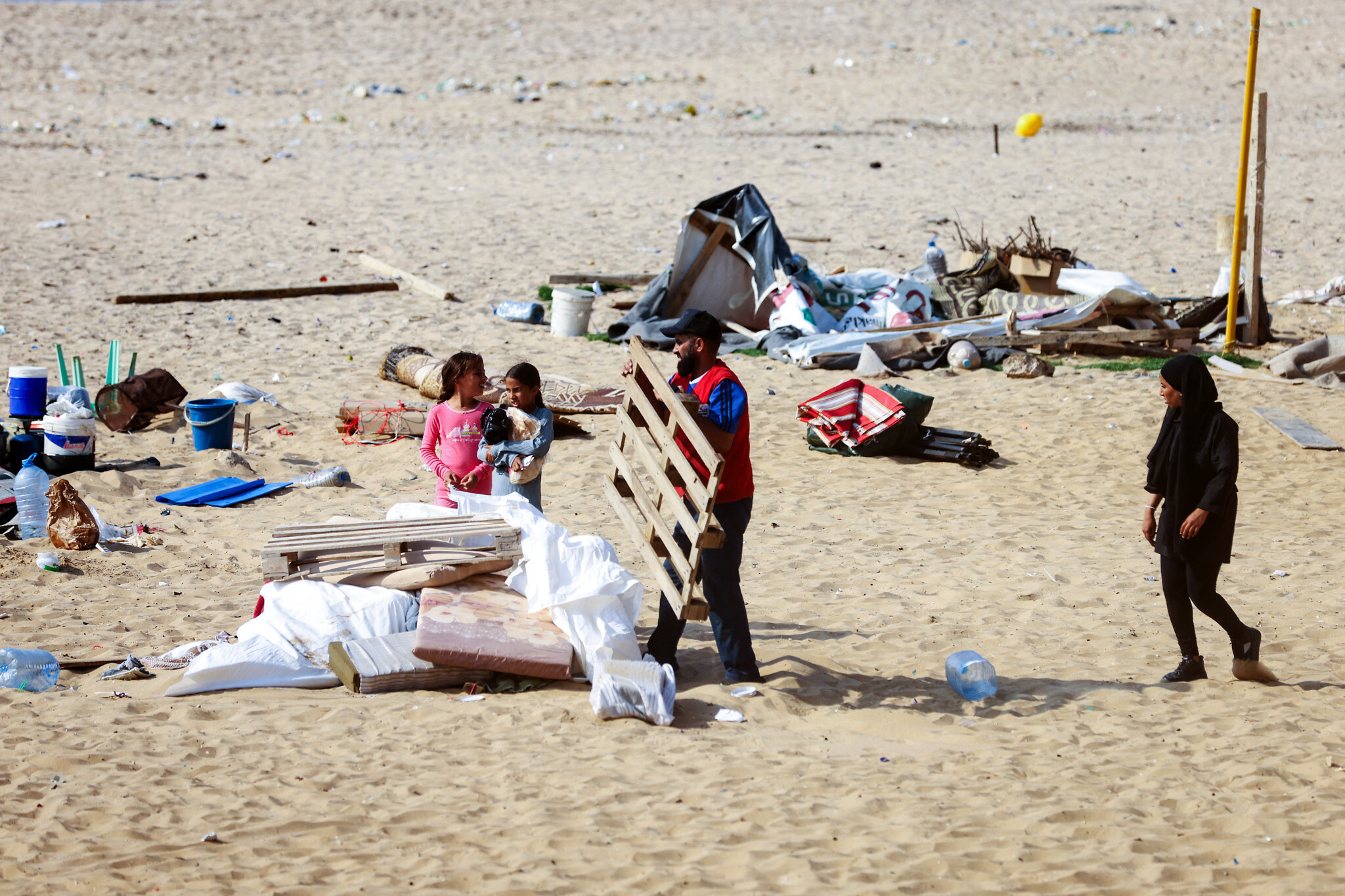
BEIRUT, Lebanon — On a Beirut beach, hundreds of families were milling around on Thursday, some spreading blankets on the pavement and sand after fleeing in haste following an unprecedented Israeli warning to evacuate the city’s nearby southern suburbs amid strikes on the Hezbollah terror group.
Most of the displaced — who, having nowhere else to go, gathered at Ramlet al-Baida beach — shared the same look of anger.
“We fled from the suburbs, we were humiliated,” one man told AFP, refusing to give his name.
“We’ll sleep on the road tonight and God alone knows what will happen to us.”
Like most others nearby, he didn’t bring anything with him from his home in the densely-populated southern suburbs, known locally as Dahiyeh, which saw scenes of panic and terror as residents fled en masse, according to AFP correspondents on the ground.
The area, a Hezbollah stronghold and home to an estimated 600,000 to 800,000 people from all walks of life, experienced crippling traffic jams after the Israel Defense Forces issued an “urgent warning” to residents of Beirut’s southern suburbs to evacuate.
Hezbollah, an Iranian proxy, has been firing rockets and drones at Israel since Monday, two days after the US and Israel began their airstrikes on Iran’s regime. Israel has intensified its attacks on the Lebanese terror group in response and is expanding its presence in southern Lebanon.
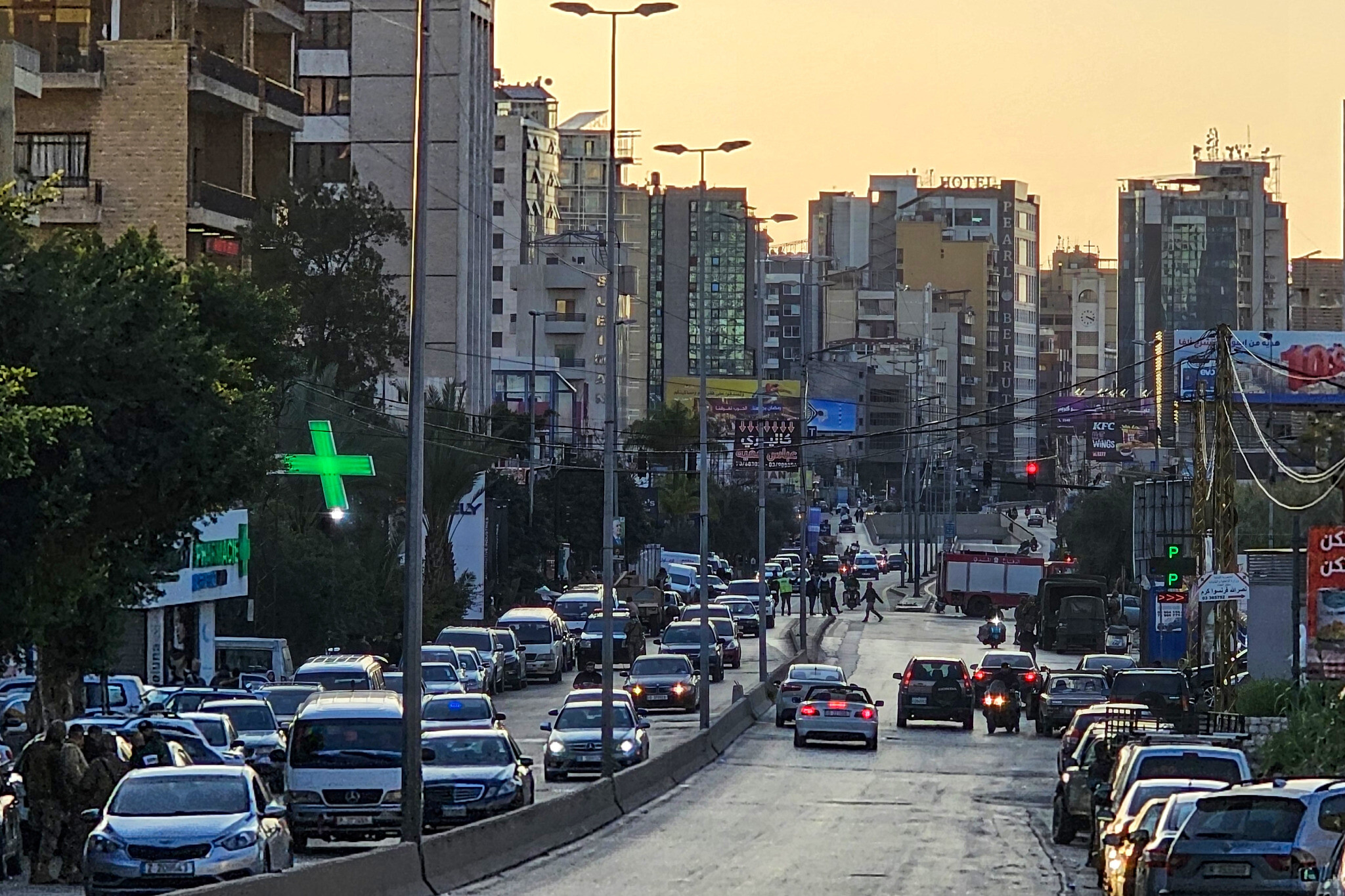
As Dahiyeh residents rushed to leave on Thursday, gunfire sounded overhead, in lieu of a warning in the city, which has no public siren system.
Videos posted by local media and social media users showed hundreds of families leaving several neighborhoods on foot, while roads were packed with cars and motorbikes.
Under a faint sun that did nothing to dispel the cold, the displaced — among them women, children, and the elderly — arrived at the beach however they could.
Some carried their children in their arms, while others dragged small suitcases or bags with a few basic items inside.
Asked for his thoughts, one man shouted: “The situation is shit! What more do I need to explain?”
A few dozen yards away, sitting alone on the sand, a 61-year-old unemployed man named Yousef, or Abu Ahmad, told AFP of how he spent the last war between Hezbollah and Israel — which ended in November 2024 — sleeping in a tent on this very beach.
As the sun set, Abu Ahmad said he had lived through one war after another since his childhood. Lebanon had a civil war that lasted 15 years, from 1975 to 1990. Israel and Hezbollah have fought multiple rounds of conflict.
It’s “luck” that decides if you survive, he said, adding: “Only God, who created you, can take you.”
His face marked by exhaustion, he drew a box in the sand with his fingers, representing land, nations and the world he was born into.
“Why this war?” he implored.
As he waited for the expected Israeli bombs to arrive, Abu Ahmad said he didn’t intend to spend the night out in the open: “Just now I was thinking of going back before the strikes arrive! What’s the point?”
“I’m not afraid for my life because I’m alone,” he said, having sent his family and children to Syria to keep them safe.
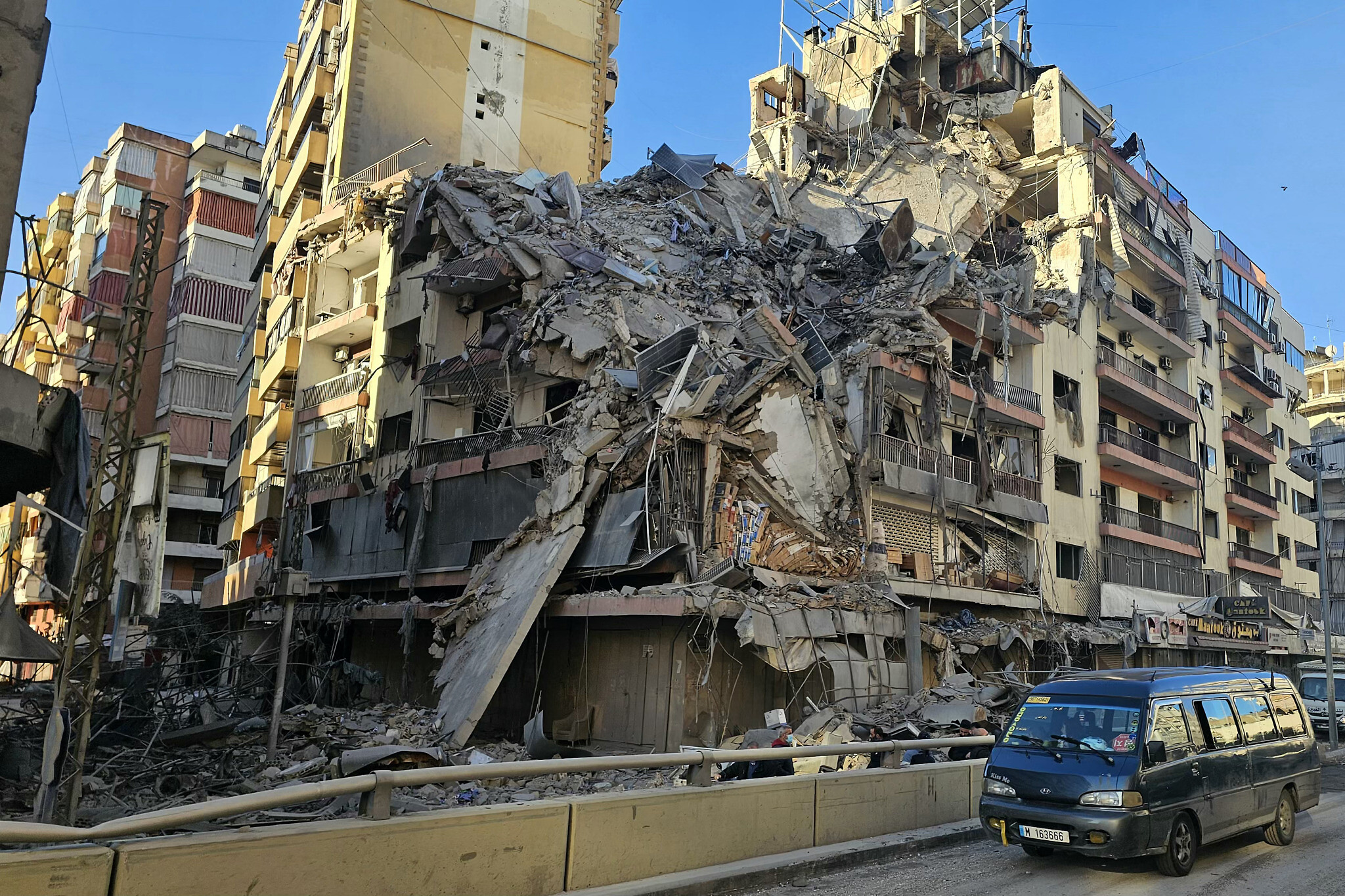
After the exodus from Beirut’s southern suburbs, the Lebanese official National News Agency reported Thursday that the area had become “almost empty.”
The severe traffic congestion extended for hours into several neighborhoods of Beirut, while institutions and companies rushed to shut their doors and send employees home before the end of the workday.
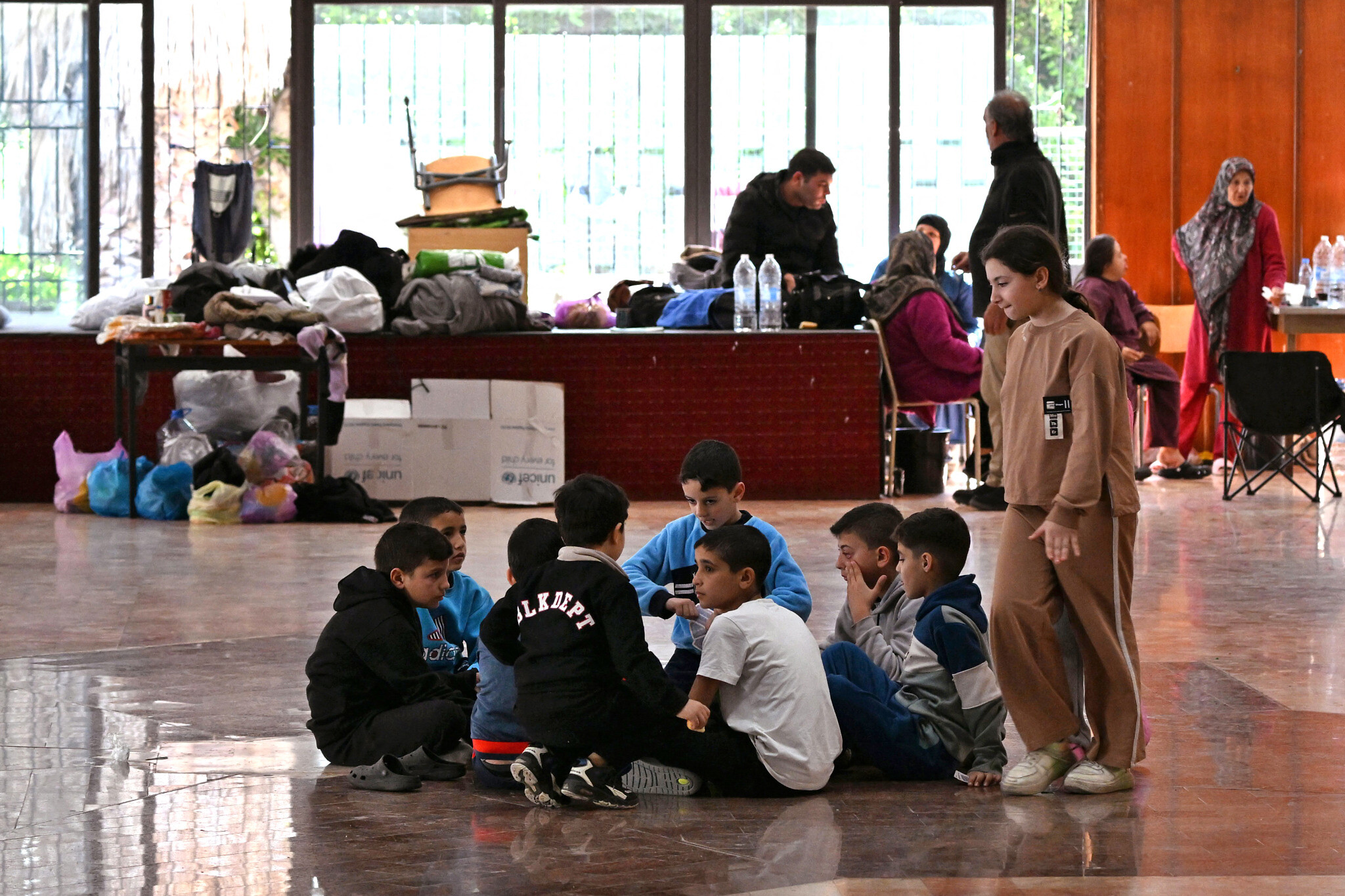
Before the warning to residents of Dahiyeh, Lebanese authorities had estimated the total number of displaced people since the start of Israeli strikes on Monday at more than 90,000.
With residents of the southern suburbs pouring into Beirut and Mount Lebanon, the government’s Disaster Management Unit called on the displaced to head toward the east and north of the country, after closer shelters reached full capacity.
In a post on X, the UN Special Coordinator for Lebanon Jeanine Hennis-Plasschaert said that “large areas of Beirut’s southern suburbs have been ordered to evacuate while people are still fleeing south Lebanon in large numbers.”
“The country is living a new nightmare, but no side can impose a lasting solution by force,” she added.








The Times of Israel Community.