

From Gaza student activist to leader, terror chief Haniyeh was Hamas’s tough face abroad
Group’s slain ‘political and diplomatic front’ began as close aide to founder Ahmad Yassin, rose through ranks, nurtured ties with Iran in the joint cause of Israel’s eradication
 Add ToI as a Preferred Source on Google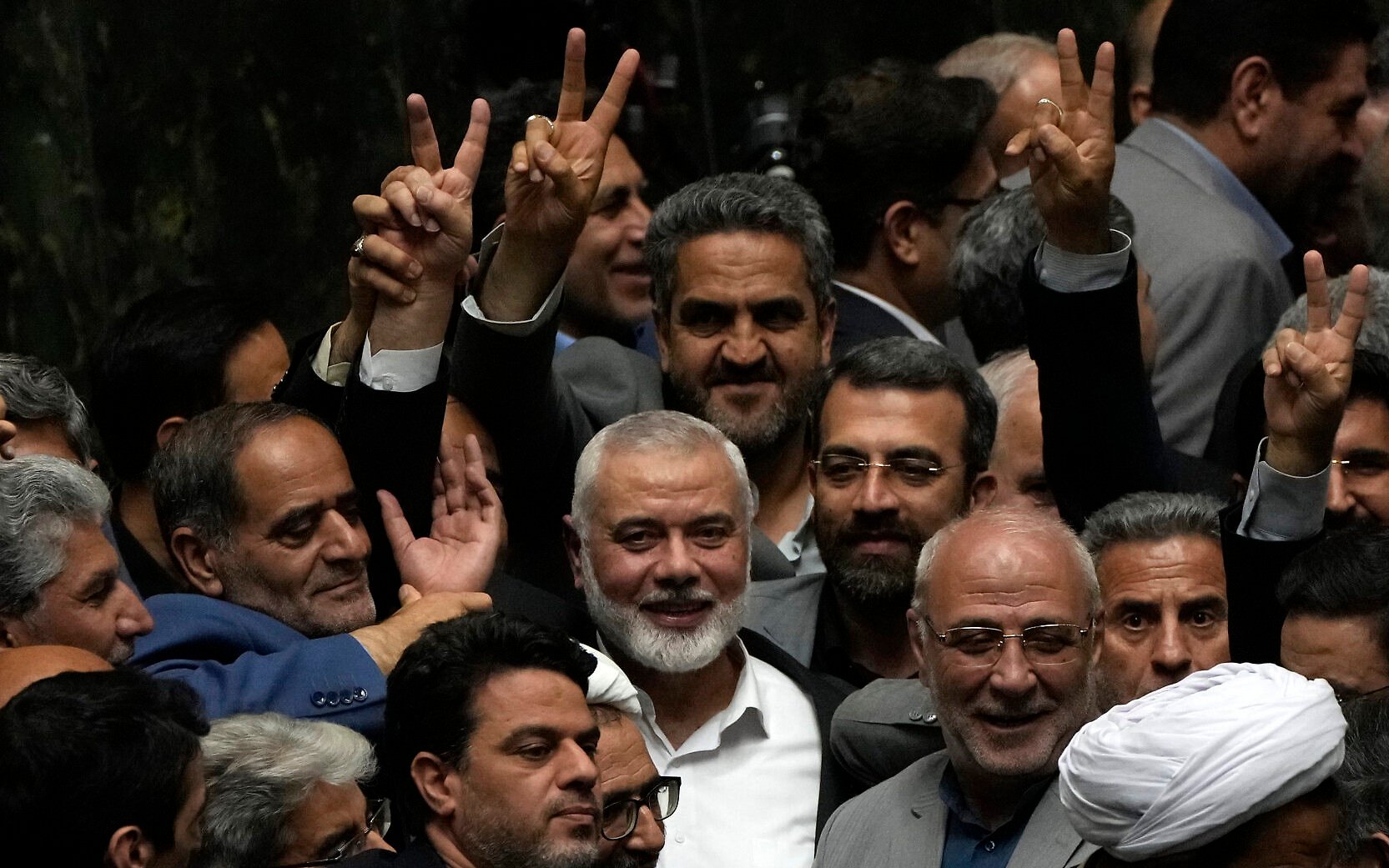
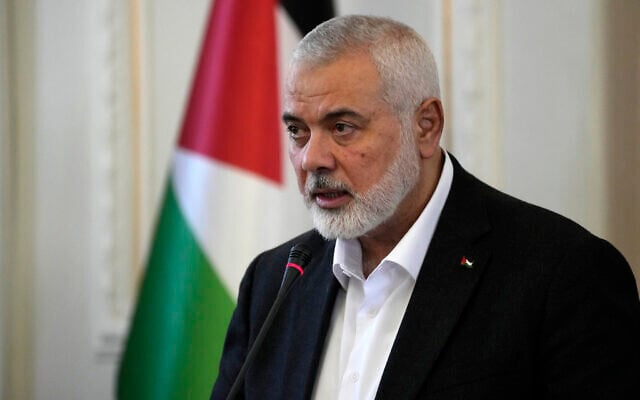
Ismail Haniyeh, the Hamas leader killed early Wednesday in a missile strike in Tehran blamed on Israel, was the tough-talking face of the terror group’s international diplomacy as war raged in Gaza, where three of his sons were killed earlier this year.
Appointed to the Hamas top job in 2017, Haniyeh, who was 61 when he died, had shuttled between Turkey and Qatar’s capital, Doha, escaping the travel curbs of the blockaded Gaza Strip and enabling him to act as a negotiator in ceasefire talks or to talk to the group’s ally Iran.
“All the agreements of normalization that you [Arab states] signed with [Israel] will not end this conflict,” Haniyeh declared on Qatar-based Al Jazeera television shortly after Hamas launched its October 7 attack, in which terrorists killed some 1,200 people in southern Israel and took 251 hostages.
Sons killed in airstrike
Three of Haniyeh’s sons — Hazem, Amir and Mohammad — were killed on April 10 when an Israeli airstrike struck their car, Hamas said. Haniyeh also lost four of his grandchildren, three girls and a boy, in the attack, Hamas said.
Haniyeh had denied Israeli assertions that his sons were fighters for the group and said “the interests of the Palestinian people are placed ahead of everything” when asked if their killing would impact truce talks.
For all the tough language in public, Arab diplomats and officials had viewed him as relatively pragmatic compared with more hardline voices inside Gaza, where the military wing of Hamas planned the October 7 attack.
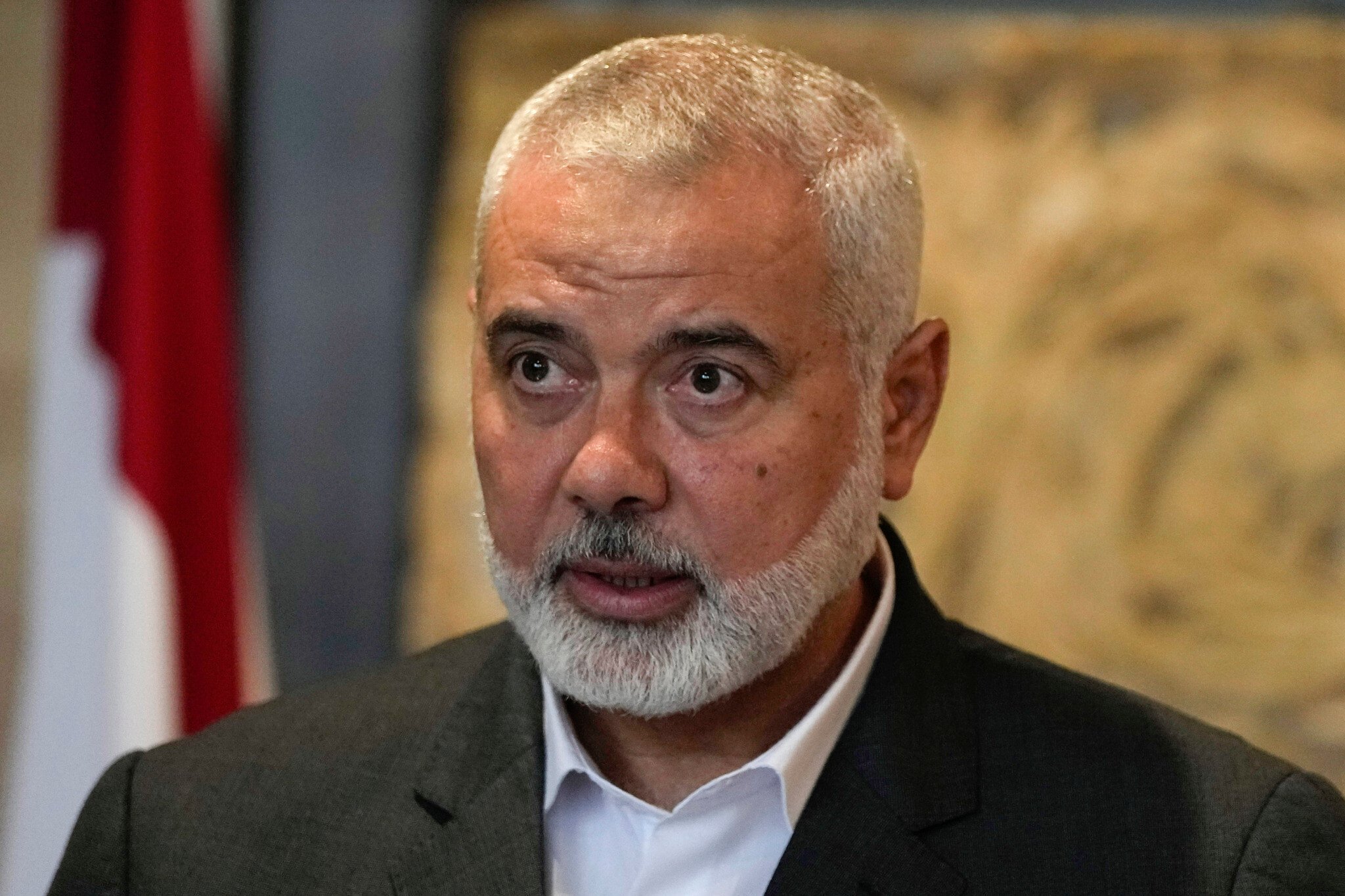
While telling Israel’s military they would find themselves “drowning in the sands of Gaza,” he and his predecessor as Hamas leader, Khaled Mashaal, had shuttled around the region for talks over a Qatari-brokered ceasefire deal with Israel that would include exchanging hostages held in Gaza for Palestinians in Israeli jails as well as more aid for Gaza.
Israel regards the entire Hamas leadership as terrorists, and has accused Haniyeh, Mashaal and others of continuing to “pull the strings of the Hamas terror organization.”
But how much Haniyeh knew about the October 7 assault beforehand is not clear. The plan, drawn up by the Hamas military council in Gaza, was such a closely guarded secret that some Hamas officials seemed shocked by its timing and scale.
Yet Haniyeh, a Sunni Muslim, had a major hand in building up Hamas’s fighting capacity, partly by nurturing ties with Shiite Muslim Iran, which makes no secret of its support for the group and its common desire to see Israel eradicated.
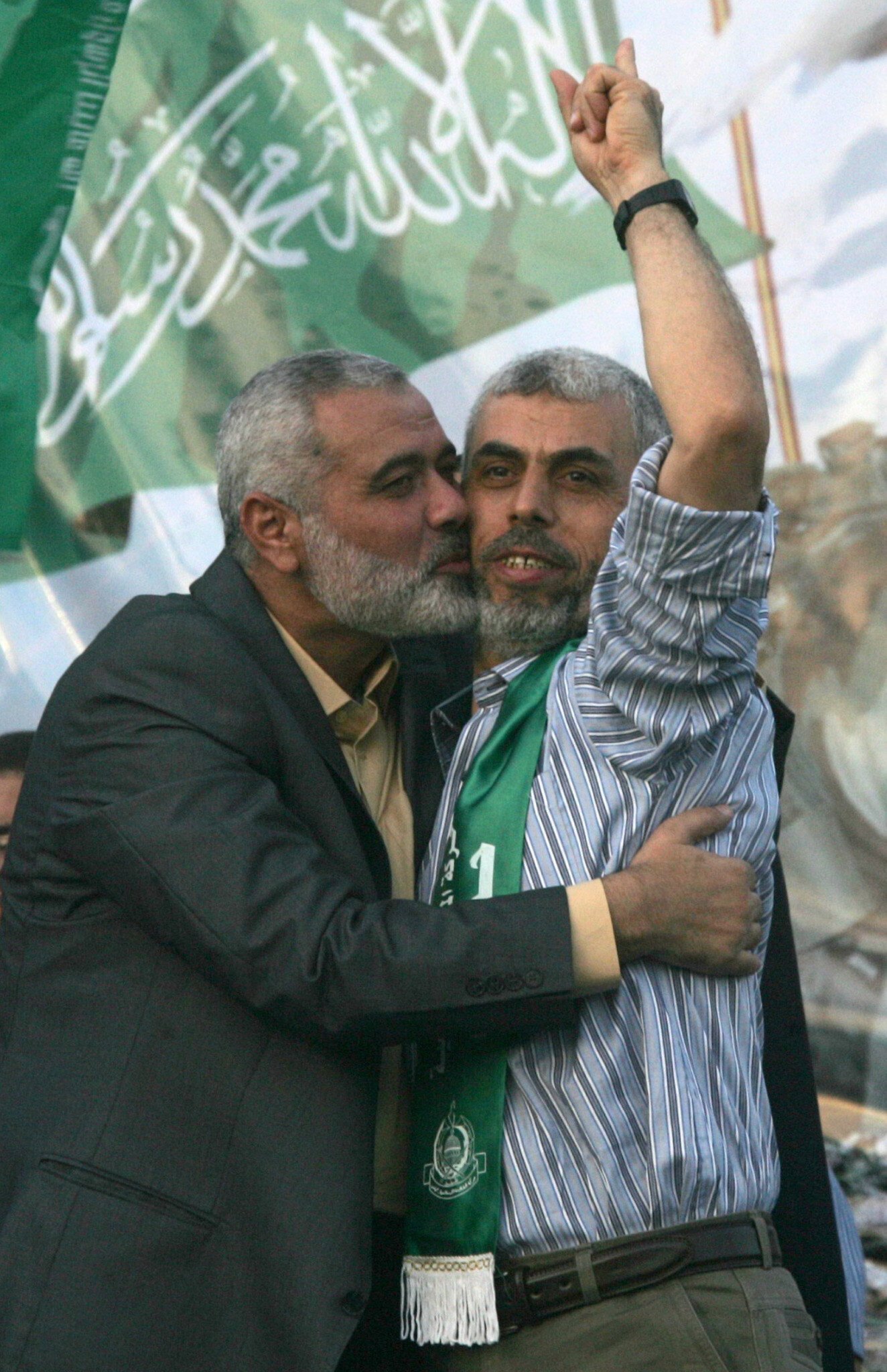
During the decade in which Haniyeh was Hamas’s top leader in Gaza, Israel accused his leadership team of helping to divert humanitarian aid to the group’s military wing. Hamas denied it.
Shuttle diplomacy
When he left Gaza in 2017, Haniyeh was succeeded by Yahya Sinwar, a hardliner who spent more than two decades in Israeli prisons and whom Haniyeh had welcomed back to Gaza in 2011 after the prisoner exchange that saw Israel get back soldier Gilad Shalit.
“Haniyeh is leading the political battle for Hamas with Arab governments,” Adeeb Ziadeh, a specialist in Palestinian affairs at Qatar University, said before his death, adding that he had close ties with more hardline figures in the group and the military wing.
“He is the political and diplomatic front of Hamas,” Ziadeh said.
Haniyeh and Mashaal had met officials in Egypt, which has also had a mediation role in the ceasefire talks. Haniyeh traveled in early November to Tehran to meet Iran’s supreme leader Ayatollah Ali Khamenei, Iranian state media reported.
Three senior officials told Reuters that Khamenei had told the Hamas leader in that meeting that Iran would not enter the war, having not been told about it in advance. Hamas did not respond to requests for comment before Reuters published its report, and then issued a denial after its publication.
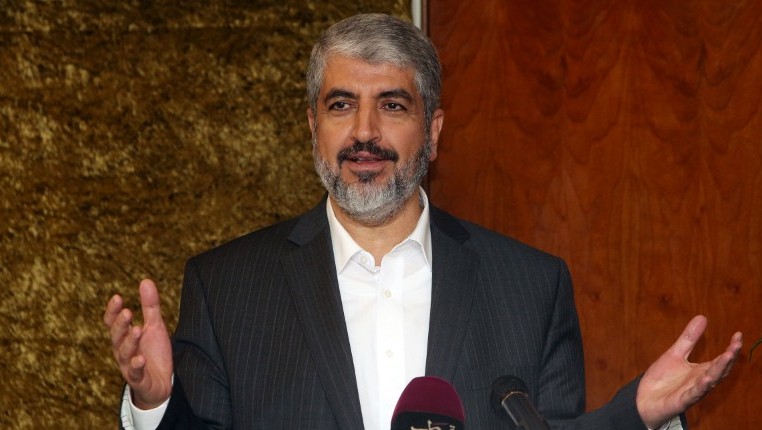
As a young man, Haniyeh was a student activist at the Islamic University in Gaza City. He joined Hamas when it was created during the first Palestinian intifada (uprising) in 1987. He was arrested and briefly deported.
Haniyeh became a protégé of Hamas’s founder sheikh Ahmad Yassin who, like Haniyeh’s family, was a refugee from the village of Al Jura near Ashkelon in southern Israel. In 1994, he told Reuters that Yassin was a model for young Palestinians, saying: “We learned from him love of Islam and sacrifice for this Islam and not to kneel down to these tyrants and despots.”
By 2003 he was a trusted Yassin aide, photographed in Yassin’s Gaza home holding a phone to the almost completely paralyzed Hamas founder’s ear so that he could take part in a conversation. Yassin was assassinated by Israel in 2004.
Haniyeh was an early advocate of Hamas entering politics. In 1994, he said that forming a political party “would enable Hamas to deal with emerging developments.”
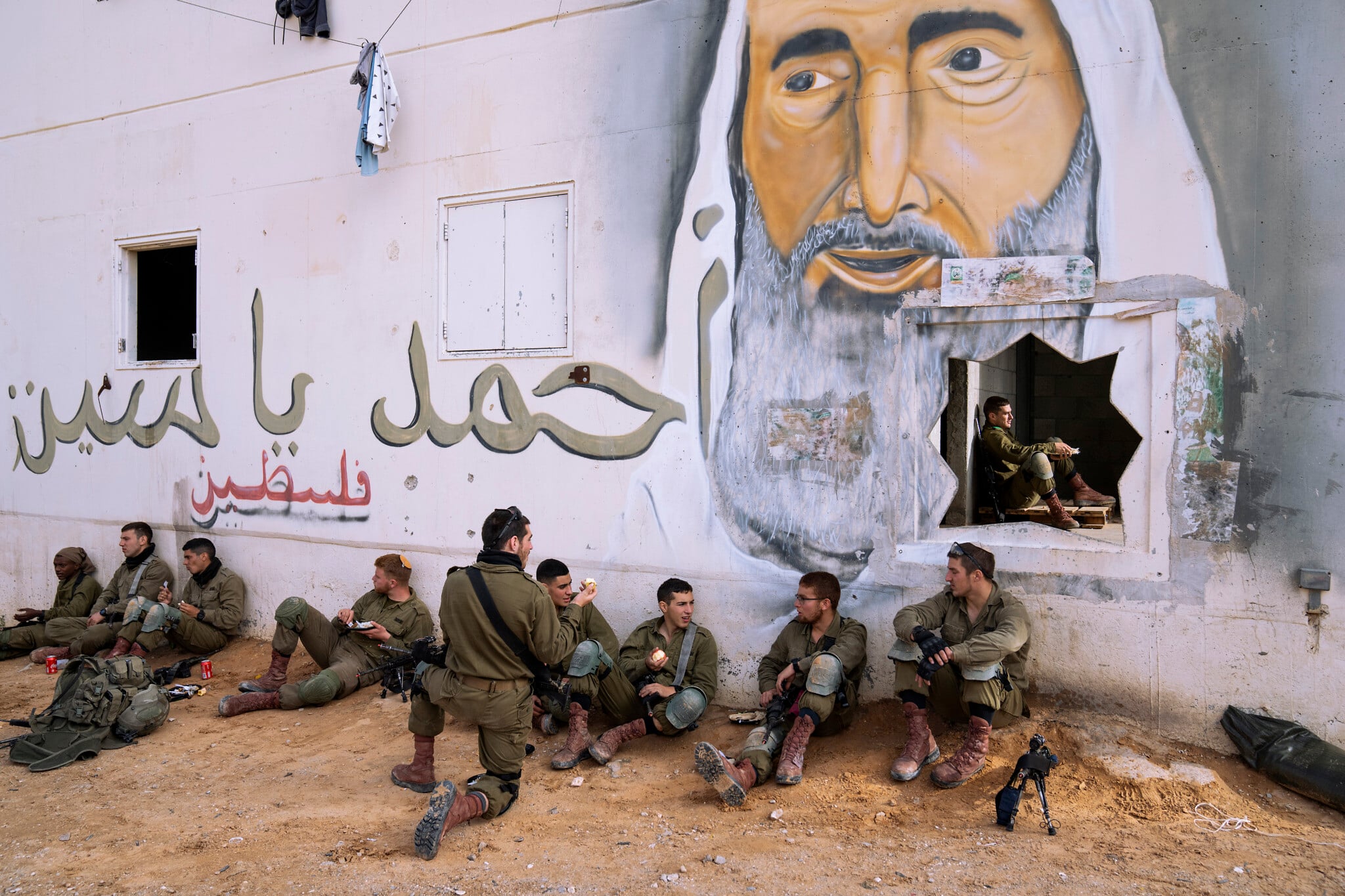
Initially overruled by the Hamas leadership, it was later approved and Haniyeh became Palestinian prime minister after the group won the Palestinian parliamentary elections in 2006, a year after Israel withdrew from Gaza.
Avowedly committed to the destruction of Israel, the group took control of Gaza in a violent coup against the Palestinian Authority’s Fatah faction in 2007.
In 2012, when asked by Reuters reporters if Hamas had abandoned the armed struggle against Israel, Haniyeh replied, “Of course not” and said resistance would continue “in all forms — popular resistance, political, diplomatic and military resistance.”
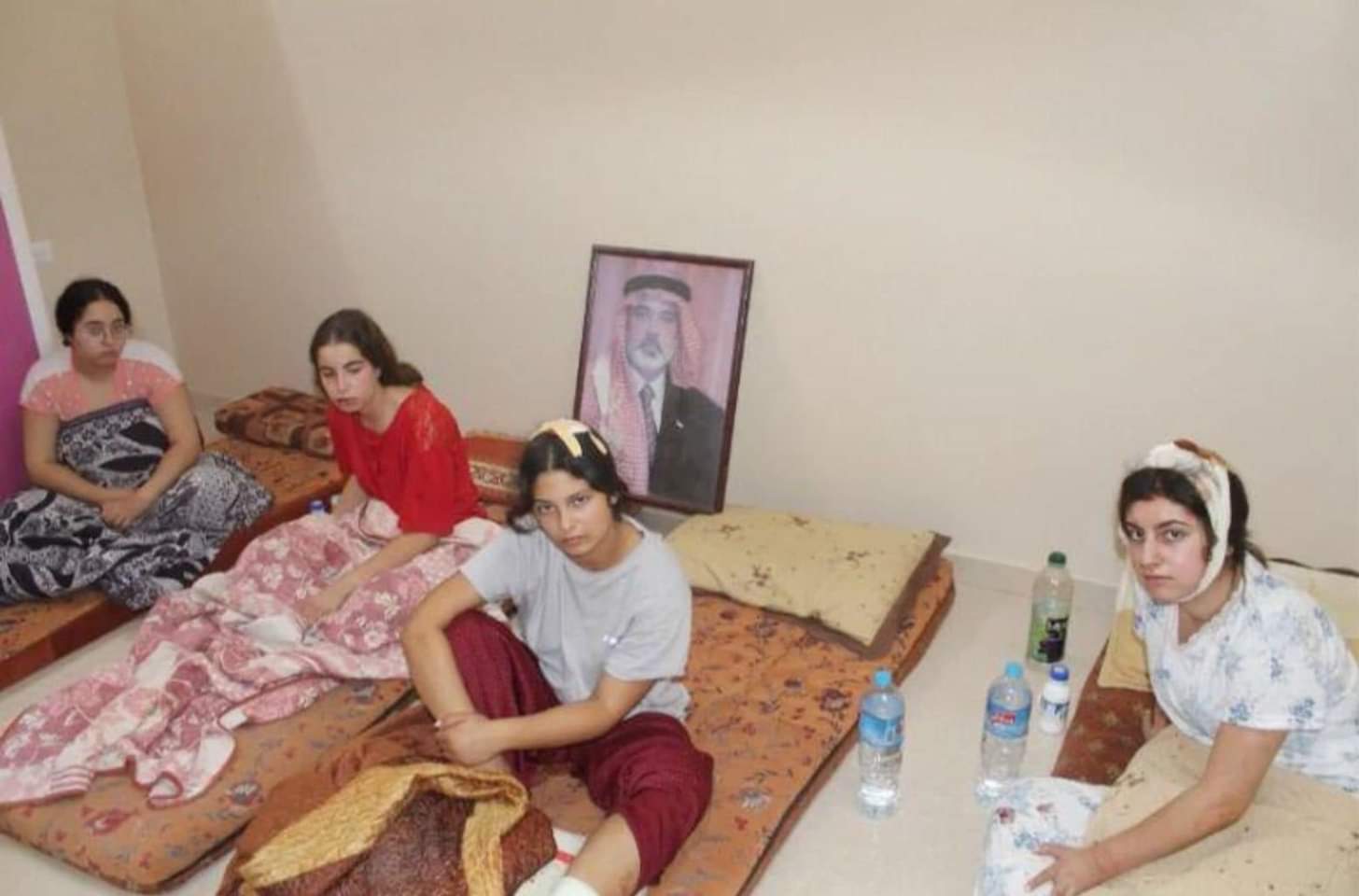
In a television interview in Tehran on July 30, hours before his death, Haniyeh referred to meetings he had been holding with Iran’s leadership and welcomed what he said was the Iranian president’s reiteration of “the permanent stance of the Islamic Republic, on the Palestinian issue, on resistance, on Jerusalem.”
“We also heard his stance on Israel’s non-right to any centimeter of the lands of Palestine,” said the Hamas leader approvingly.







The Times of Israel Community.