

IDF ombudswoman finds rise in troops’ complaints, officers inventing own COVID rules
In annual report, Defense Ministry official warns ongoing issues of abuse and negligence can harm trust in military, lower motivation for service
 Add ToI as a Preferred Source on Google
Emanuel (Mannie) Fabian is The Times of Israel's military correspondent
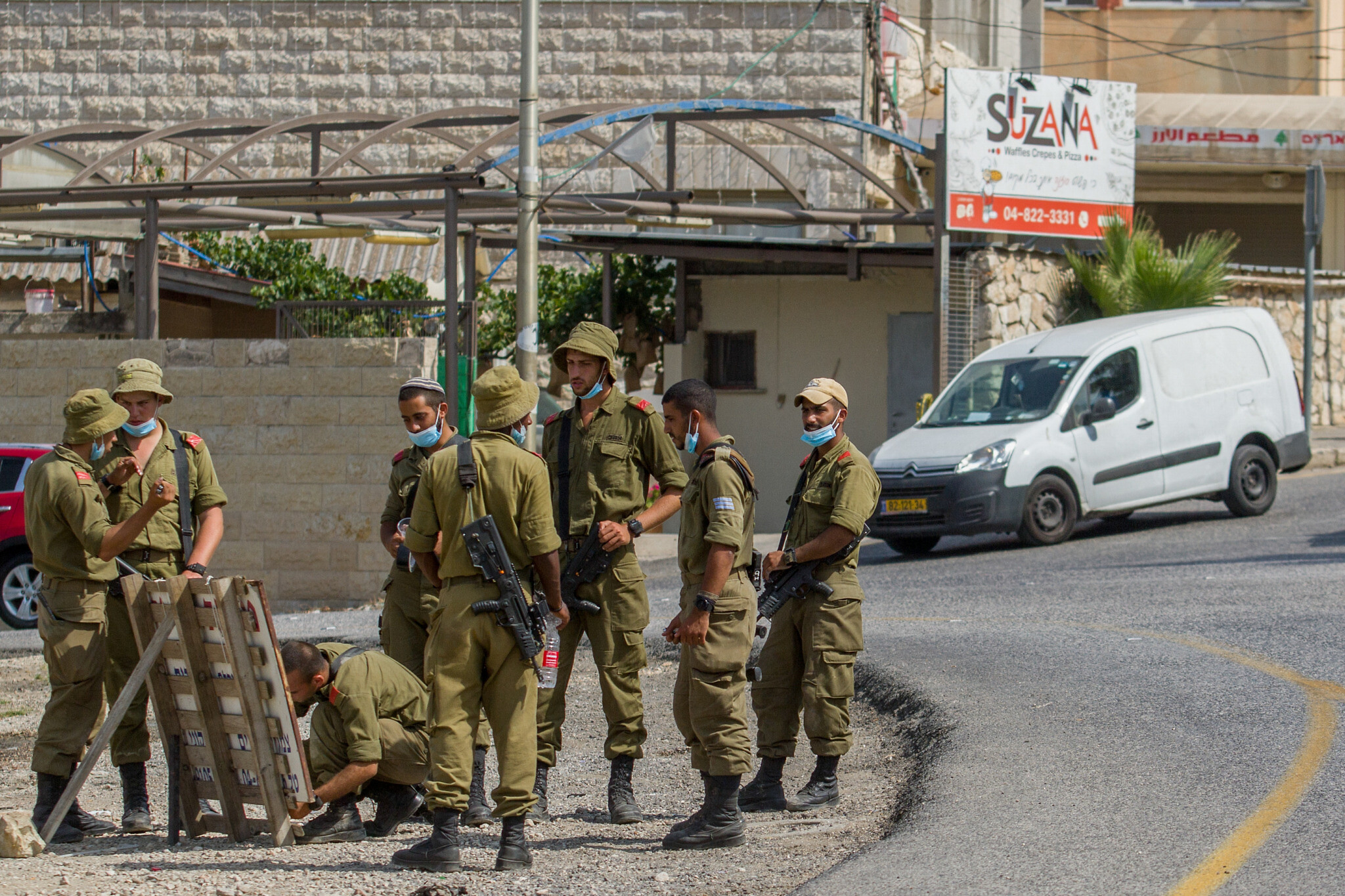
Israel’s military ombudswoman on Wednesday announced that there was a rise in complaints of alleged abuse, negligence, and incompetence by commanders toward their subordinates during 2021.
The ombudswoman’s annual report included thousands of complaints from conscripts and career soldiers, including many allegations of senior officers issuing their own coronavirus-related rules, contradicting the Israel Defense Forces’ official policy.
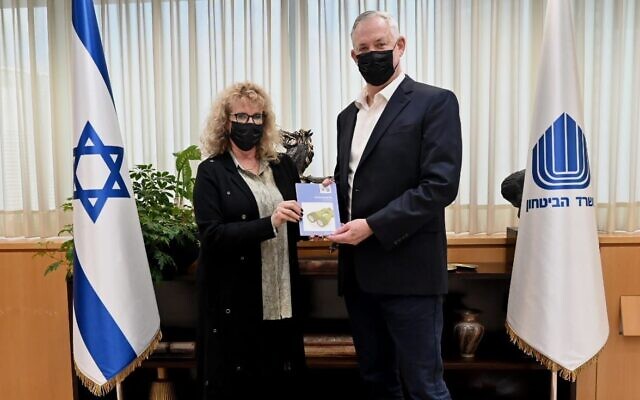
The report was presented to Defense Minister Benny Gantz and to the Knesset’s powerful Foreign Affairs and Defense Committee, as well as senior officers in the IDF.
The document was prepared by ombudswoman Brig. Gen. (res.) Rachel Tevet-Wiesel, known formally as the chief complaints officer, who works out of the Defense Ministry. Tevet-Wiesel is the first woman to hold the position, after being appointed last year.
Over the course of 2021, the ombudswoman’s office received 6,222 complaints from Israeli troops or their parents, a nine percent increase from the previous year. Tevet-Wiesel’s office reviewed each of the cases, finding that the majority of them — 55 percent — were legitimate, with the rest dismissed as false or trivial.
The most significant rise in complaints was among conscripted soldiers, up 17% from 2020. Most of those complaints, 53%, pertained to the alleged improper treatment of subordinates by their commanders.
This document is prepared each year, based on written complaints from soldiers, interviews and reviews of internal military reports, in order to identify both worrying and positive trends within the IDF.
As they do every year, the complaints also dealt with cases of physical and verbal abuse, soldiers failing to receive proper medical care, bureaucratic inefficiencies and poor conditions. The past two years included an additional section dedicated to the IDF’s response to the COVID-19 pandemic.
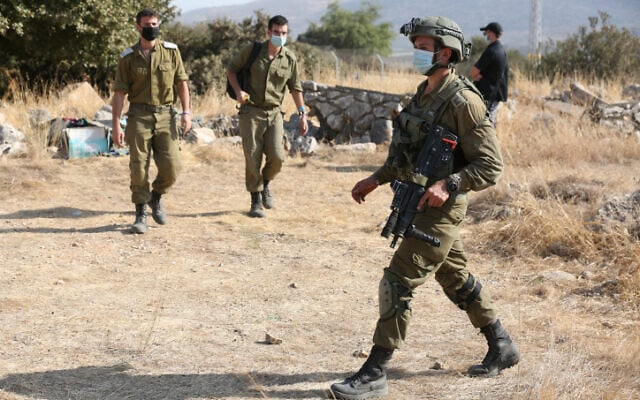
But unlike in 2020’s report, where most of the coronavirus-related complaints were over “disorder and vague instructions,” this year there was an “extremely disturbing” trend of senior officers knowingly contradicting COVID- rules issued by the military’s Operations Directorate, Tevet-Wiesel said.
“This conduct of commanders, including senior commanders, who clearly act against orders, is serious and has the effect of eroding the foundations on which the army is founded. [It is] a problematic personal example to IDF soldiers and significant damage to public trust,” Tevet-Wiesel said in the report.
In one case noted in the report, unvaccinated soldiers in the navy were ordered to quarantine for five days after returning to base from furlough, despite the Operations Directorate never having issued such a rule. At the time, unvaccinated troops were completely prohibited from entering military bases, aside from those permanently serving there.
Other cases noted in the report included soldiers being moved to other roles or denied positions due to them being unvaccinated, or troops being pressured to get inoculated, directly contravening the IDF’s rules on the matter at the time.
This year’s document also included many of the conclusions that appeared in reports from previous years: commanders knowingly or unknowingly failing to provide soldiers with services required by military protocol; commanders speaking unprofessionally or hurtfully to their subordinates, sometimes in public; medical personnel failing to keep up with the needs of the soldiers in their care; and general bureaucratic mismanagement.
Tevet-Wiesel noted there were cases of “commanders endangering the lives of soldiers,” which ultimately ended without any physical harm, but it “left the complaining soldiers feeling a sense of distrust and insecurity in the commanders.”
The ombudswoman warned that these incidents “damage the most basic IDF values, as well as the trust placed in IDF commanders and motivation for service.”
On a positive note, Tevet-Wiesel said she was satisfied that around 80% of her recommendations to relevant bodies in the IDF were implemented, along with another 170 recommendations from previous years whose implementation was delayed.
Speaking to reporters, Gantz said he “expects commanders to study these reports and take care of things,” especially regarding relations between commanders and subordinates.
“We need there to be fairness in command, people receive authority [from the IDF]… and they need not exhaust it to the fullest, but should be fair commanders to soldiers,” he said.
“We will learn from the report as much as possible and we will try to continue to improve,” Gantz added.
The military responded to the document, saying it thanked the ombudswoman for the report and that it would help the army improve on the issues it highlights.
“All of the incidents are being studied, dealt with, and personal and systemic lessons are being learned from them, which are being implemented soon” the army said in a statement.




The Times of Israel Community.