

 From the Liveblog of
Wednesday, June 10, 2026
From the Liveblog of
Wednesday, June 10, 2026
3 of 4 Arab-majority parties say they’ll run together in election, invite Ra’am to join
 Add ToI as a Preferred Source on Google
Ariela Karmel is a political correspondent at The Times of Israel. She previously reported for Calcalist and Haaretz. She holds an MA in Middle Eastern and African History from Tel Aviv University and a BA in Political Science from the University of British Columbia.
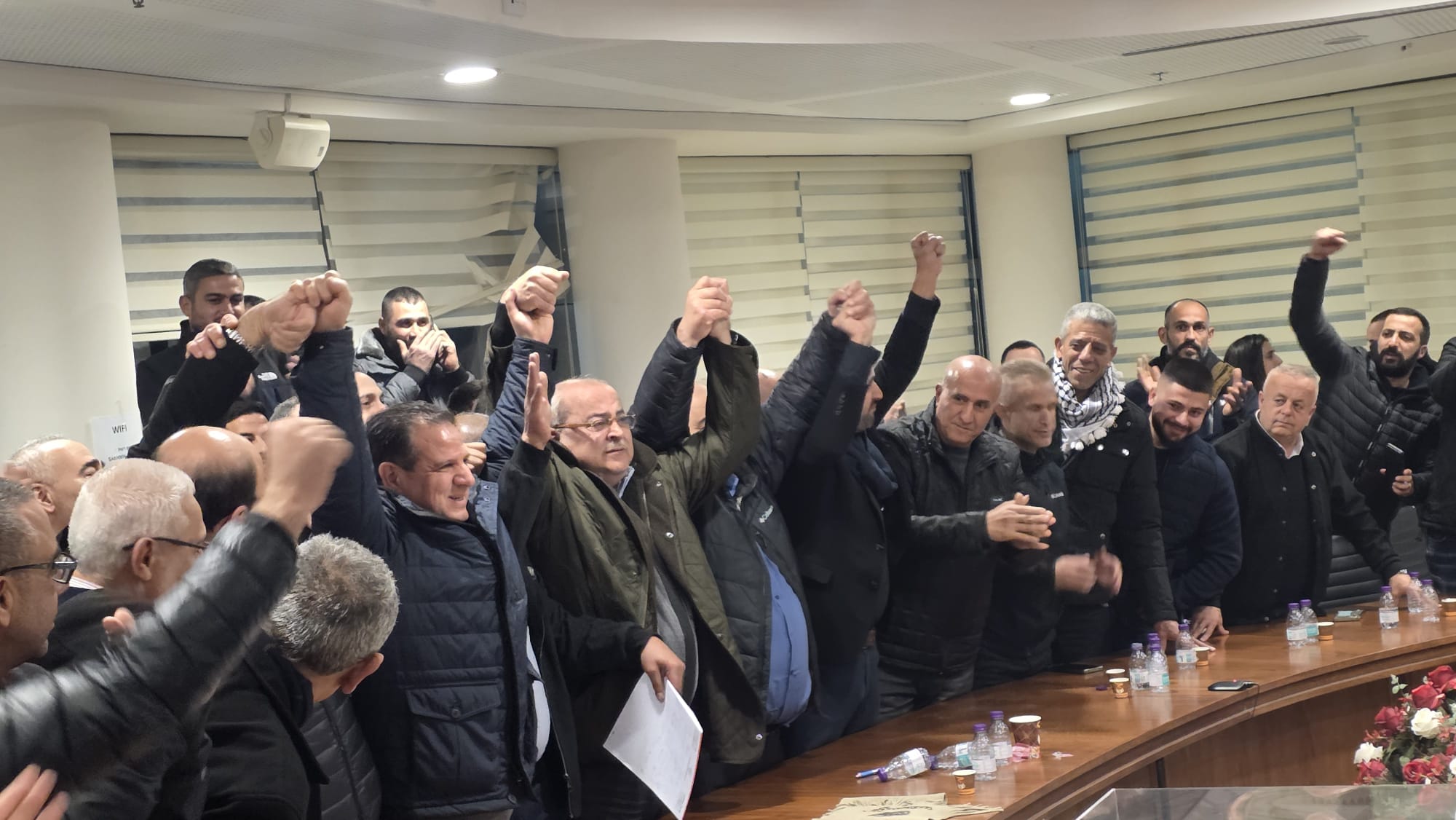
Arab-majority party Hadash announces that it, Ta’al and Balad will move forward with reestablishing a joint slate ahead of the upcoming elections, while “leaving the door open” for Mansour Abbas’s Ra’am to join at a later stage.
“Hadash, Ta’al and Balad have decided to move forward with reestablishing the Joint List ahead of the upcoming elections,” the party says in a statement, referencing a united Arab slate that ran in previous elections, adding that “a final agreement with Ra’am has not yet been reached” despite the three parties’ “efforts and flexibility.”
Hadash says it remains committed to forming “the broadest possible joint list,” but that it cannot remain in “a state of waiting and uncertainty.” It adds that even if Ra’am ultimately runs separately, the sides will seek a vote-sharing agreement to maximize surplus votes and boost turnout.
All four parties signed an agreement in January committing to work together to revive the joint slate ahead of this year’s elections, but negotiations have been stalled for months, mainly due to Abbas’s insistence that the bloc be purely technical to preserve Ra’am’s ability to join a governing coalition, which the other Arab parties oppose.
According to Hadash, however, the three parties ultimately accepted that demand. A source with knowledge of the negotiations tells The Times of Israel that ultimately the main obstacle to a slate with all four parties was Ra’am’s demand that the other parties commit not to oppose or bring down any government that the Islamist party chooses to join.
That condition was a red line for the other three parties, the source says, arguing that they, “like Ra’am, insist on their right to act independently” and vote as they see fit.
Polls show a joint slate of the four parties winning 12-15 seats, with the parties garnering a smaller number of seats if they were to run separately.









The Times of Israel Community.