

 From the Liveblog of
Thursday, June 25, 2026
From the Liveblog of
Thursday, June 25, 2026
Current round of US-led talks between Israel and Lebanon the least productive yet, sources tell ToI
 Add ToI as a Preferred Source on Google
Jacob Magid is The Times of Israel's US bureau chief
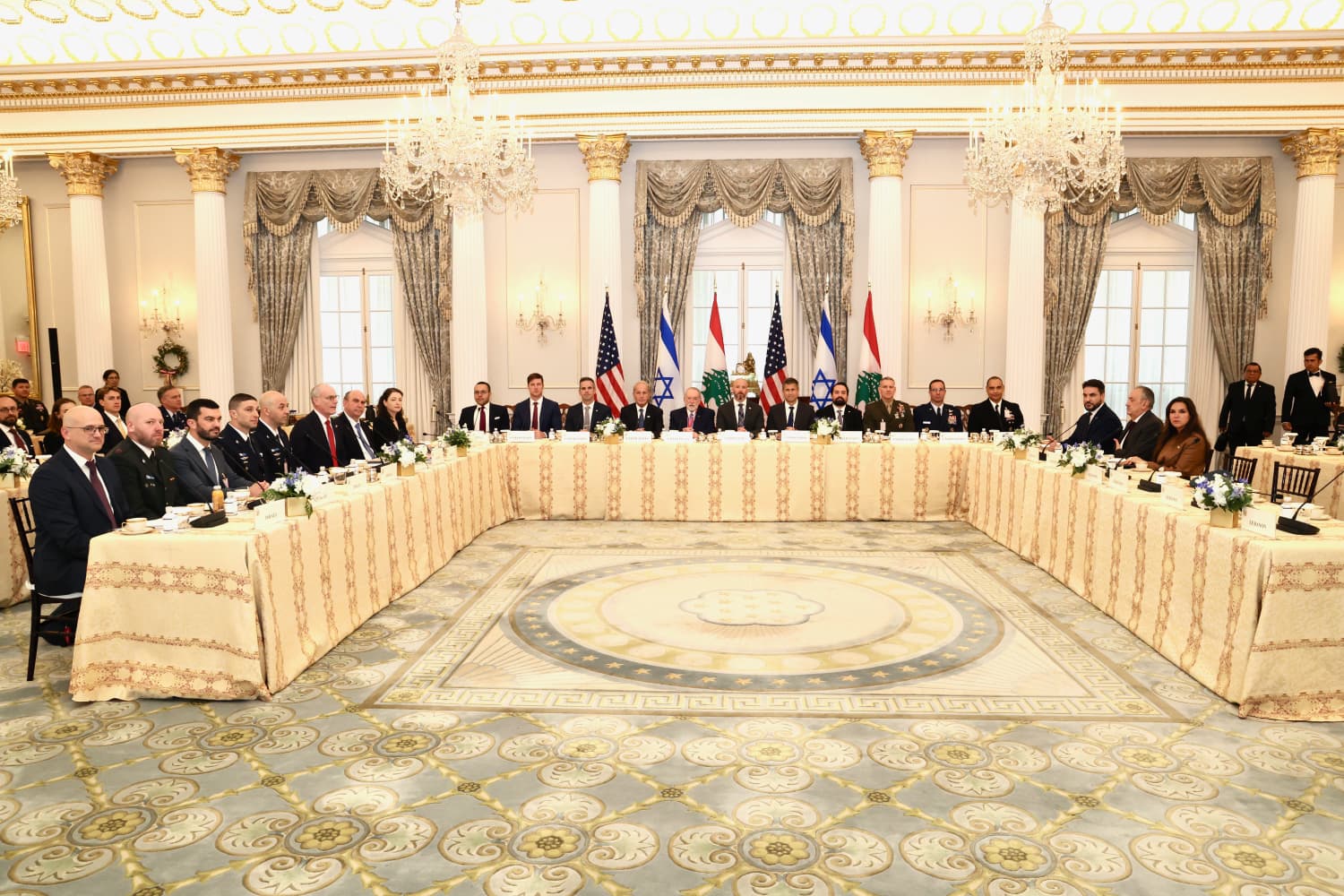
WASHINGTON — This week’s round of talks between Israel and Lebanon have been the least productive to date, amid mutual frustration with the Trump administration’s decision to make a ceasefire in Lebanon part of the memorandum of understanding it inked last week with Iran, a government official and a second source familiar with the matter tell The Times of Israel.
Both Israel and Lebanon were opposed to the idea, arguing that it undermines the purpose of the channel between their two countries that Washington established in April specifically to prevent Iran from maintaining its influence over Hezbollah and Lebanon, the two sources say.
The Israeli anger at Washington has led it to be less inclined to accept US requests that it begin pulling back some of its troops from southern Lebanon, the government official says.
Lebanon meanwhile feels that it must take a harder line in negotiations with Israel to counter the notion that Iran wields greater influence over affairs in Lebanese territory than it does, the source familiar with the matter explains.
Accordingly, the Lebanese government has presented maps for a proposed withdrawal that are much more expansive than what Israel is willing to accept at this stage — which was already very little due the political pressures Prime Minister Benjamin Netanyahu’s government is facing, the source adds.
The US was hoping that the three-day talks set to wrap up on Thursday would conclude with an announcement of a pilot program whereby the IDF would withdraw from small areas of southern Lebanon and be replaced by the Lebanese military, with the latter being tasked with dismantling any remaining Hezbollah infrastructure there.
However, such a development currently appears less likely, the two sources tell The Times of Israel.
A State Department spokesperson doesn’t immediately respond to a request for comment.









The Times of Israel Community.