

Nightlife cluster causes South Korea virus spike; reopening of schools delayed
Officials report 35 new cases Monday after only single-digit increases for eight of the preceding 12 days, many of them overseas arrivals
 Add ToI as a Preferred Source on Google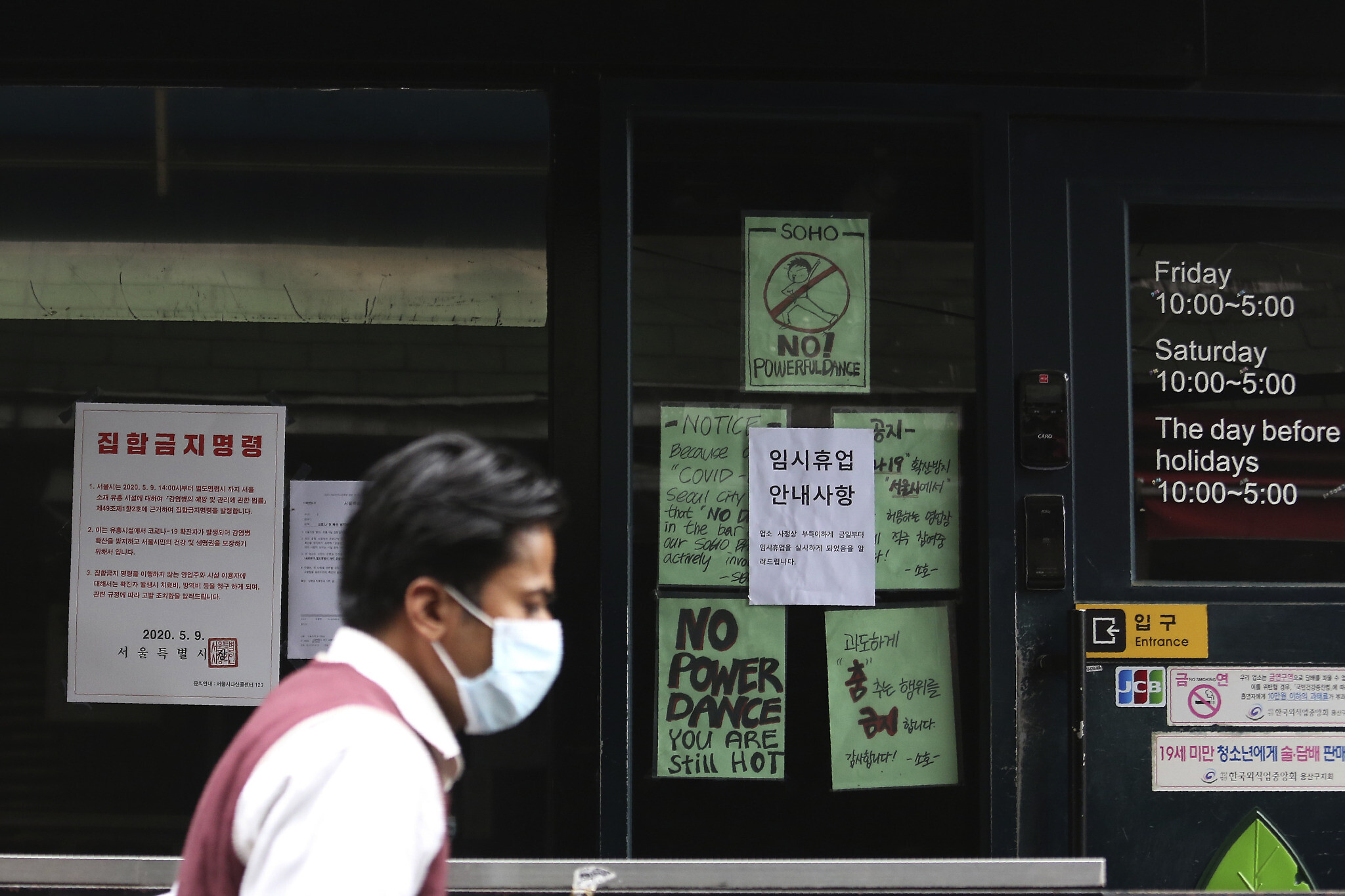
SEOUL — South Korea announced its highest number of new coronavirus cases in more than a month Monday, driven by a cluster in a Seoul nightlife district that emerged just as the country loosens restrictions.
The nation has been held up as a global model in how to curb the virus, but over the weekend its capital — as well as neighboring Gyeonggi province and the nearby city of Incheon — ordered the closure of all clubs and bars after a burst of new cases sparked fears of a second wave.
The news comes as parts of Europe begin a cautious reopening, with health experts warning that moving too quickly will result in a surge in infection numbers.
South Korean officials reported 35 new cases Monday, taking its total to 10,909, after recording only single-digit increases for eight of the preceding 12 days — many of them overseas arrivals.
But as of noon on Monday, a total of 86 cases had been linked to the new nightlife cluster, the Korea Centers for Disease Control and Prevention said.
At first it was thought to have been triggered by a 29-year-old man who tested positive after spending an evening at five clubs and bars in the Itaewon area in early May.
But the KCDC said there appeared to be multiple origins for the cluster, with director Jeong Eun-kyeong telling reporters people visited “different kinds of clubs” on “different dates.”
Health officials are struggling to trace “thousands of people” who went to clubs and bars in Itaewon, said Prime Minister Chung Sye-kyun.
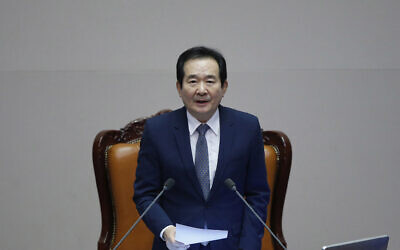
“The majority of the visitors are not reachable,” Chung said, urging all of them to get tested.
“If you hesitate a single day, our daily clock may stop for a month. Please contact the nearest clinic or health center right now.”
City authorities are urging everyone who visited the district over a two-week period to get tested, Seoul Mayor Park Won-soon told a radio station.
Daegu, South Korea’s fourth-largest city that was once the epicenter of the outbreak, on Monday also ordered the closure of all bars and clubs.
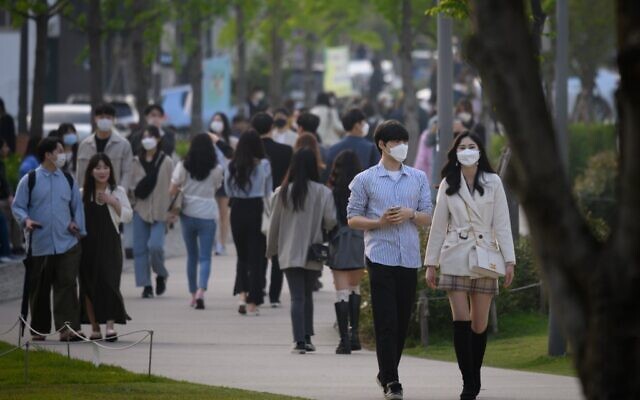
The spike in new infections came as everyday life in South Korea returns to normal, with the government relaxing social distancing rules last week.
The emergence of the cluster prompted officials to push back the reopening of schools, with students set to return to classes in stages starting Wednesday.
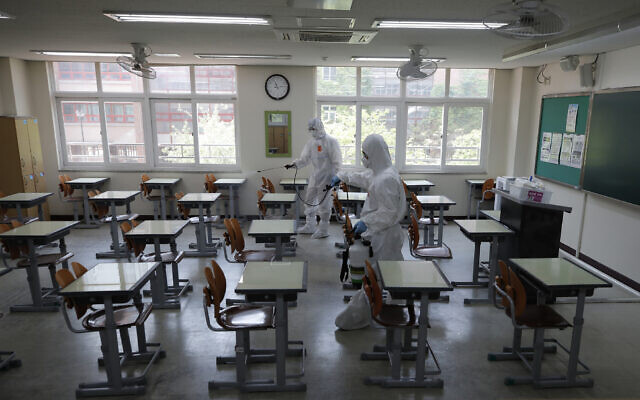
Vice education minister Park Baeg-beom said the delay was “inevitable” in order to guarantee the safety of students.
The country endured one of the worst early outbreaks of the disease outside mainland China, and while it never imposed a compulsory lockdown, strict social distancing had been widely observed since March.
But it appeared to have brought its outbreak under control thanks to an extensive “trace, test and treat” program that has drawn widespread praise.
Facilities such as museums and churches have reopened and some professional sports — including baseball and soccer — have started new seasons.






The Times of Israel Community.