

UTJ’s Gafni calls for government to ignore High Court rulings on Haredi draft law
MK joins coalition lawmakers calling for defiance of judiciary; Lapid warns disobeying court would expose IDF soldiers to international lawsuits
 Add ToI as a Preferred Source on Google
Ariela Karmel is a political correspondent at The Times of Israel. She previously reported for Calcalist and Haaretz. She holds an MA in Middle Eastern and African History from Tel Aviv University and a BA in Political Science from the University of British Columbia.

United Torah Judaism MK Moshe Gafni on Tuesday called on the government to disobey potential High Court of Justice rulings amid ongoing efforts to pass a draft exemption law for yeshiva students, joining several coalition lawmakers who have called to defy the High Court.
Asked in an interview with the ultra-Orthodox Kol Barama radio whether the government should comply with a potential High Court ruling to strike down the draft-exemption law, should it pass, Gafni replied: “No. Don’t obey them.”
“[The justices] make decisions that, in my view, are against the law as I understand it, and this means that a different policy needs to be pursued. If I were in Prime Minister Benjamin Netanyahu’s place, I would instruct ministers not to honor the rulings,” he declared.
Gafni, the chairman of the ultra-Orthodox UTJ’s Degel Hatorah faction, further alleged that justices are trying to impose their views on the Knesset, particularly regarding the ultra-Orthodox population, but in other matters as well.
“Everything that is brought to the Knesset by the government — which represents the majority in the Knesset — they strike down,” Gafni asserted.
Gafni’s ultra-Orthodox UTJ party has threatened to oppose the proposed state budget if legislation isn’t first passed to regulate ultra-Orthodox enlistment and exemptions to mandatory military service.

While the party quit the coalition over the summer to protest the government’s failure to pass a draft-exemption bill for Haredi yeshiva students, coalition leaders have been trying to advance the legislation in hopes of appeasing the party and bringing it back into the government.
Opposition Leader Yair Lapid said in response that Gafni’s call to ignore High Court rulings would make IDF soldiers vulnerable to international lawsuits.
“A country whose government ignores court rulings exposes its soldiers to international lawsuits and being hunted around the world,” the Yesh Atid party leader said.
“On the other hand, it’s well known that you’ve never really cared about IDF soldiers,” he added.
Israel has long relied on the argument that, as a functioning democracy with an independent judiciary, it does not fall under the International Criminal Court’s prosecutorial mandate, which permits it to intervene, including arresting soldiers, only when a state is unwilling or unable to carry out genuine legal proceedings.
Israel’s war in Gaza has prompted attempts by rights groups to have soldiers arrested for alleged war crimes when they travel abroad, with several soldiers having been briefly detained.

Critics of the government argue that efforts to override or openly defy Supreme Court rulings, sideline the attorney general, and push forward the judicial overhaul have undermined Israel’s credibility as a state that holds itself to democratic and legal standards.
But a growing number of coalition lawmakers have called to openly defy the High Court, amid an escalation in rhetoric by government ministers and MKs in recent weeks that includes repeated appeals to disregard the court and appears aimed at delegitimizing it and laying the groundwork for outright defiance of its rulings.
Communications Minister Shlomo Karhi, who has repeatedly called to disobey High Court rulings, urged in a post on X “obedience to the law, not illegal orders or an attorney general who was lawfully dismissed. It’s time. Simple. Jewish and democratic.”
Finance Minister Bezalel Smotrich, Foreign Minister Gideon Sa’ar, coalition whip MK Ofir Katz, and National Security Minister Itamar Ben Gvir, who leads the Otzma Yehudit faction, called on Prime Minister Benjamin Netanyahu not to comply with any potential High Court order to dismiss Ben Gvir ahead of Thursday’s hearing on petitions calling for his removal.
“No legal authority, including the High Court of Justice, has the power to force the dismissal of a government minister, especially when no indictment has even been filed against him,” they said.
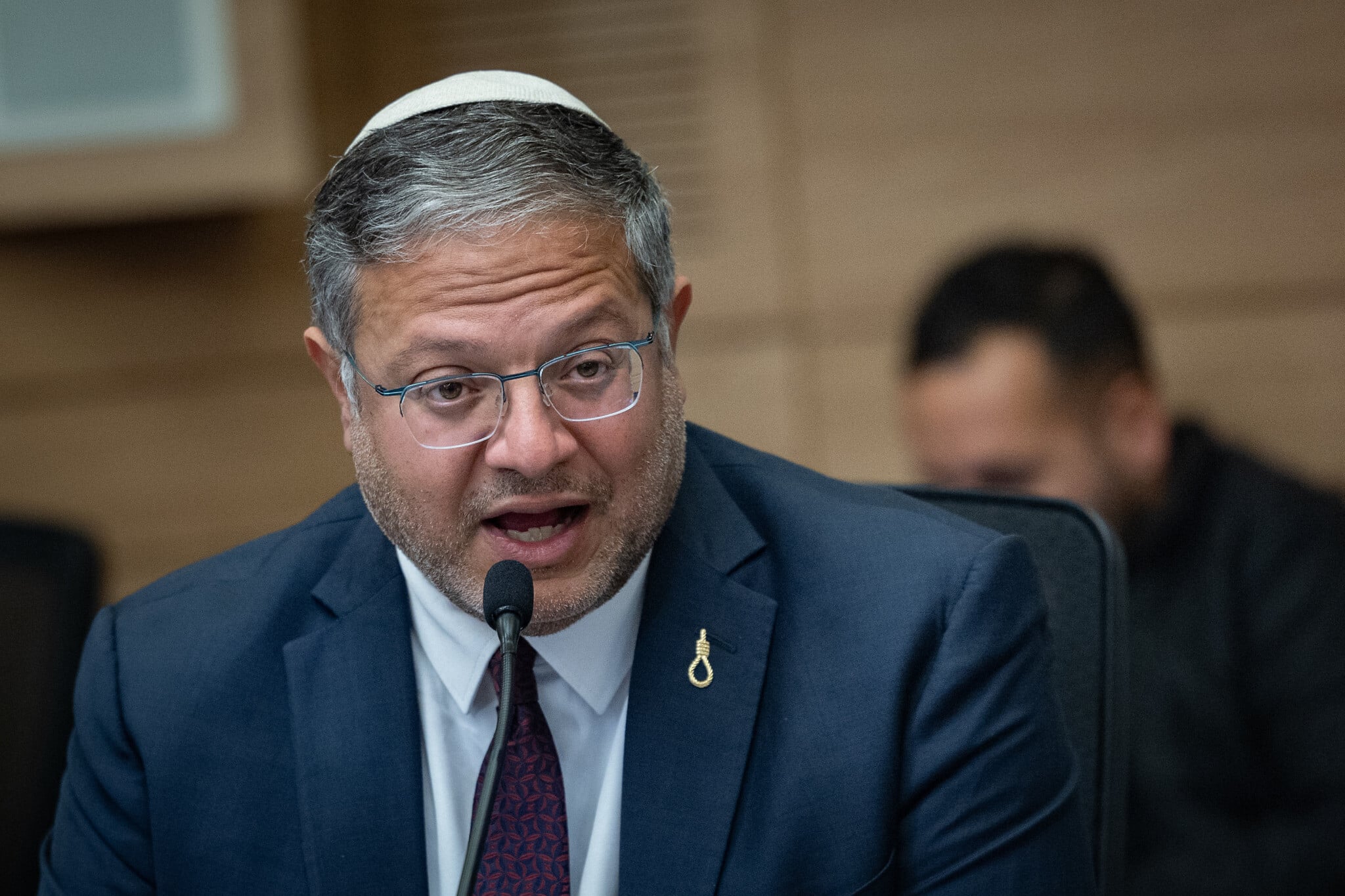
Ben Gvir himself has repeatedly called to disobey High Court rulings and said earlier Tuesday that the High Court of Justice has no authority to remove him from office.
Smotrich vowed last month to “trample” Supreme Court President Isaac Amit and called him a “violent megalomaniac,” in a scathing attack that drew widespread condemnation and accusations of incitement.







The Times of Israel Community.