

Yisrael Beytenu says it will oppose new Shabbat mini-market bill
Party’s stance against legislation could threaten Netanyahu’s deal with ultra-Orthodox parties
 Add ToI as a Preferred Source on Google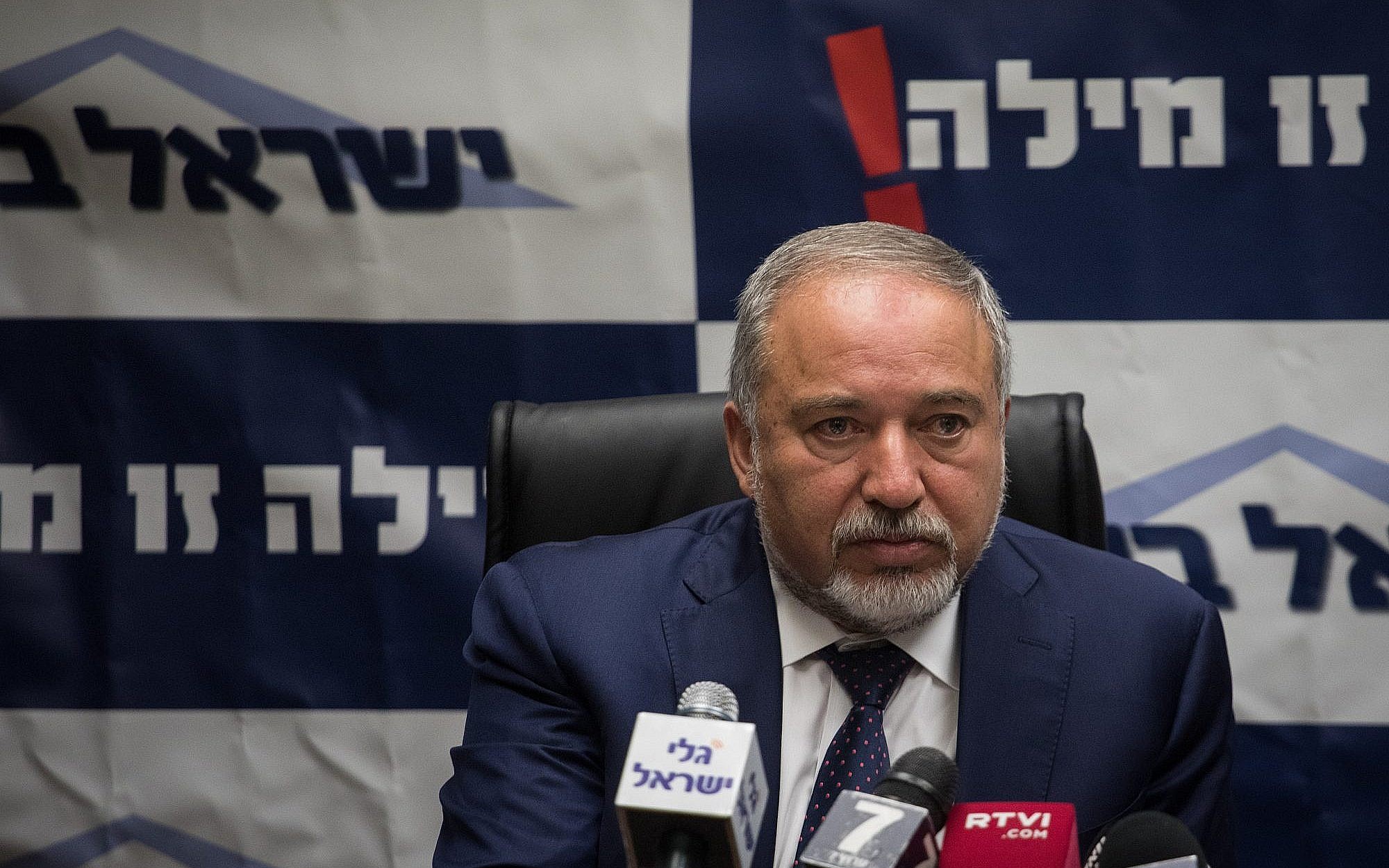
The Yisrael Beytenu party on Wednesday said it would oppose a bill that could prevent convenience stores from opening on Shabbat, in a possible blow to a deal reached between Prime Minister Benjamin Netanyahu and his ultra-Orthodox coalition partners.
Party chairman MK Robert Ilatov warned Coalition chairman David Bitan in a letter that any attempt to bring the so-called mini-market bill to vote would be opposed by Yisrael Beytenu lawmakers.
The bill would see Interior Minister Aryeh Deri, of the ultra-Orthodox Shas party, receive powers to oversee and reject local ordinances, such as the 2014 Tel Aviv City Council law that allows grocery stores to open on Shabbat.
Though the bill would make an exception for Tel Aviv, and is seen mainly as a way of maintaining the status quo, it could very well affect other towns and cities throughout the country.
Yisrael Beytenu head Avigdor Liberman said this week that he saw no justification for such a bill. “I’m not seeking to open mini-markets in (ultra-Orthodox) Bnei Brak and there is no reason to close mini-markets in Haifa or anywhere else,” he said.
“The issue of local ordinance and the opening or closing of mini-markets should be decided according to the makeup of the local population. It should be left to local authorities without intervention from above.”
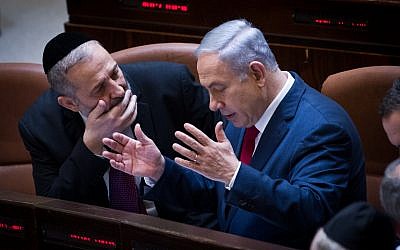
The party’s stance could hurt Netanyahu’s efforts to heal coalition divisions after a crisis erupted with ultra-Orthodox parties over Shabbat work.
The past week saw United Torah Judaism’s Yaakov Litzman resign as health minister over train maintenance performed on Shabbat.
Netanyahu on Sunday reached a deal with the ultra-Orthodox parties under which the government would seek to maintain the status quo with regard to Shabbat observance in the country.
Beyond the mini-market bill, Netanyahu, Litzman and Deri also agreed to back a proposal by Transportation Minister Yisrael Katz that would take several considerations — including Jewish identity — into account when ordering maintenance work on rail lines. On Wednesday lawmakers gave a preliminary nod to that bill.
Deri sought to portray the agreement as a victory for the ultra-Orthodox parties. “We succeeded in reaching an agreement regarding the mini-markets and other subjects,” Deri said. “This is a Jewish state and most citizens want to feel Shabbat in the streets and in their cities.”
Israeli law forbids businesses from operating during the Jewish day of rest, with exceptions including places of entertainment, restaurants and basic services such as pharmacies.
Tel Aviv, home to a mostly secular population, has sought to widen the scope of businesses allowed to be open on Shabbat, while ultra-Orthodox political factions have sought to add restrictions and improve enforcement of Shabbat laws.
Marissa Newman and Tamar Pileggi contributed to this report.









The Times of Israel Community.