

Kerry in Paris for allies’ meeting on Syria war
Talks looked at ‘concrete steps’ for implementing a ceasefire and opening access for humanitarian aid
 Add ToI as a Preferred Source on Google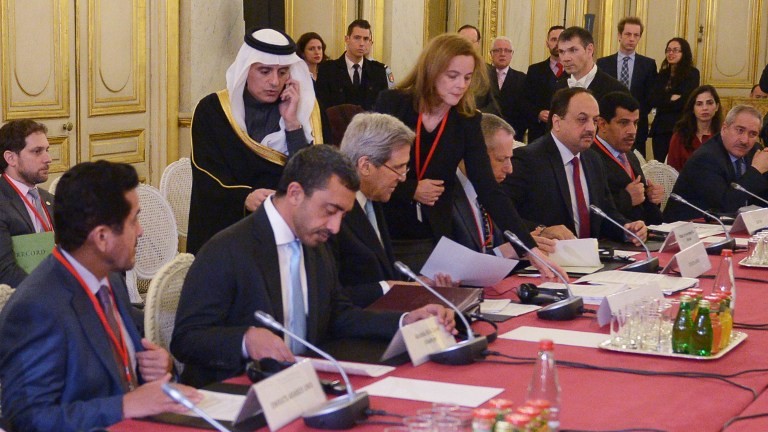
PARIS — US Secretary of State John Kerry held meetings with allies in Paris on Monday over the Syria crisis ahead of possible wider talks in New York later this week.
Kerry met with his counterparts from France, Britain, Germany, Italy, Saudi Arabia, the United Arab Emirates, Jordan, Qatar and Turkey, the French foreign ministry said.
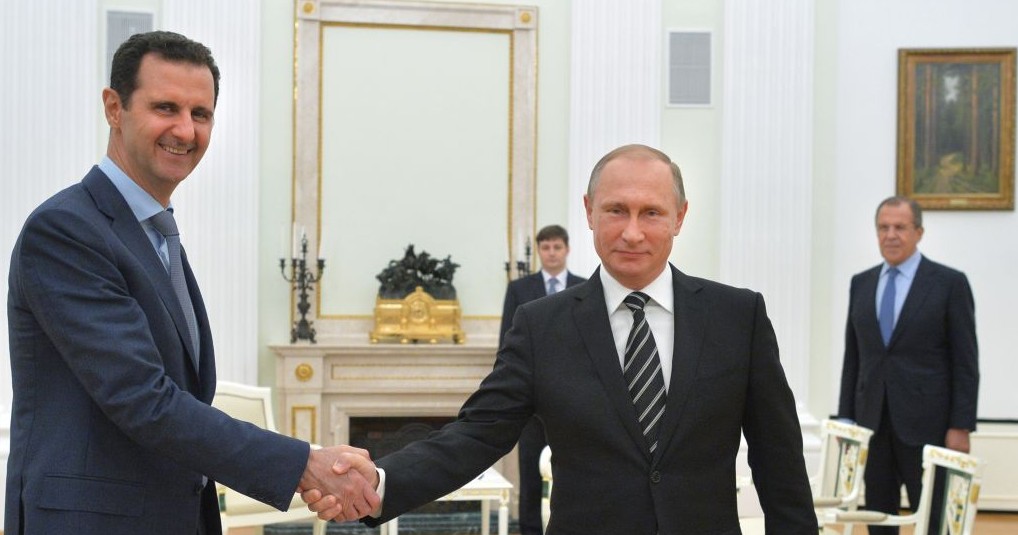
He was then to fly on to Moscow for talks with President Vladimir Putin and Russian Foreign Minister Sergey Lavrov.
Monday’s talks in Paris would involve preparations for a meeting in New York on Friday with Russia and Iran — the two main backers of Syrian President Bashar Assad.
The New York talks are not yet confirmed, but could lead to a UN resolution, a French diplomatic source told AFP.
“We want to move fast on negotiations and fix a framework with a UN Security Council resolution,” said the source, speaking on condition of anonymity.

The last major talks in Vienna on November 14 saw the opposing powers agree on a fixed calendar for a ceasefire in Syria, followed by a transitional government in six months and elections one year later.
Syrian opposition figures said the plan was unrealistic, but they are tentatively scheduled to meet with Assad’s regime in Vienna in early January.
Monday’s meeting would look at “concrete steps” for implementing the ceasefire and opening access for humanitarian aid, German Foreign Minister Frank-Walter Steinmeier told reporters in Paris.
‘Unexpected progress’
An unprecedented two-day gathering last week in Saudi Arabia sought to create a united opposition bloc for the peace talks, and yielded an agreement to negotiate with Assad’s regime.
“There was some progress, even unexpected for most of us. The agreement on some principles by the opposition is encouraging for the Vienna process, which is the only alternative to end five years of war in Syria,” said Steinmeier.
But the opposition bloc has insisted that Assad step down at the start of any political transition — which has been rejected by the Syrian president and his allies.
The next step is to appoint a delegation of around 15 opposition figures to meet with the regime, the French diplomatic source said.
The opposition bloc is set to pick leaders this Friday, who will in turn choose the members of the delegation.
Ryad Hijab, a former prime minister who defected from the Syrian regime of President Bashar Assad, and former political prisoner Ahmad al Jarba have been floated as possible presidents of the opposition bloc.
Meanwhile, the Syrian government has shown no change in its behavior on the ground, the diplomatic source added, and its Russian and Iranian allies have done little to pressure Assad into negotiations.
“Nevertheless, we are starting to see that Tehran does not want to seen as the saboteur of the Vienna process,” the diplomat said.










The Times of Israel Community.