

Debate over conscription law hindering Haredi enlistment efforts, opposition MKs say
Ultra-Orthodox media, politicians emphasize Haredi contributions to national security after member of Hasmonean Brigade, yeshiva student neutralize terrorists in Jerusalem attack
 Add ToI as a Preferred Source on Google
Sam Sokol is a former political correspondent at The Times of Israel. He was previously a reporter for the Jerusalem Post, Jewish Telegraphic Agency and Haaretz. He is the author of "Putin’s Hybrid War and the Jews"
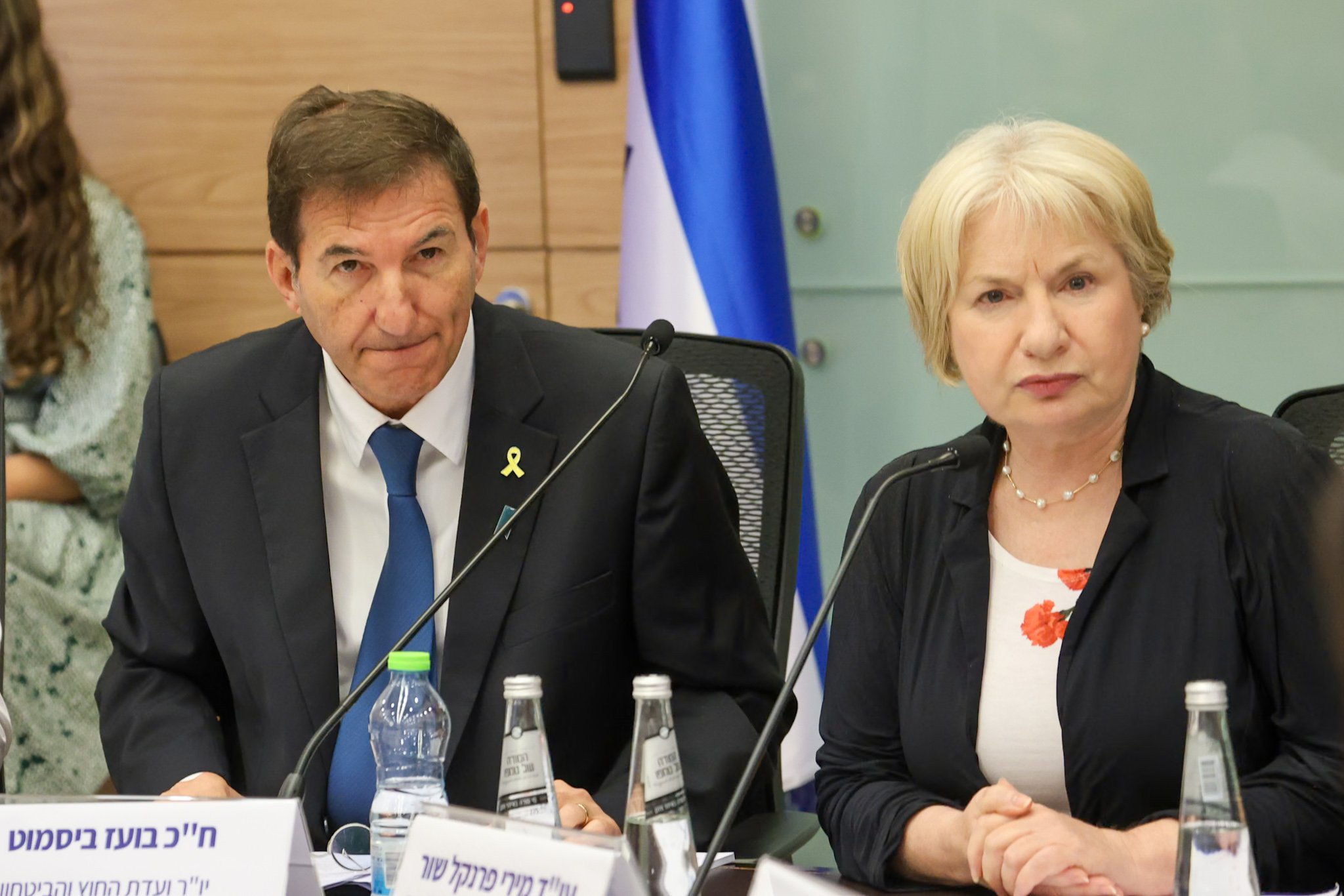
Opposition lawmakers accused Prime Minister Benjamin Netanyahu’s coalition of wasting time with “marathon talks” on the issue of ultra-Orthodox conscription on Monday, arguing that the debate over legislation regulating the issue has hindered efforts to mobilize members of the Haredi community.
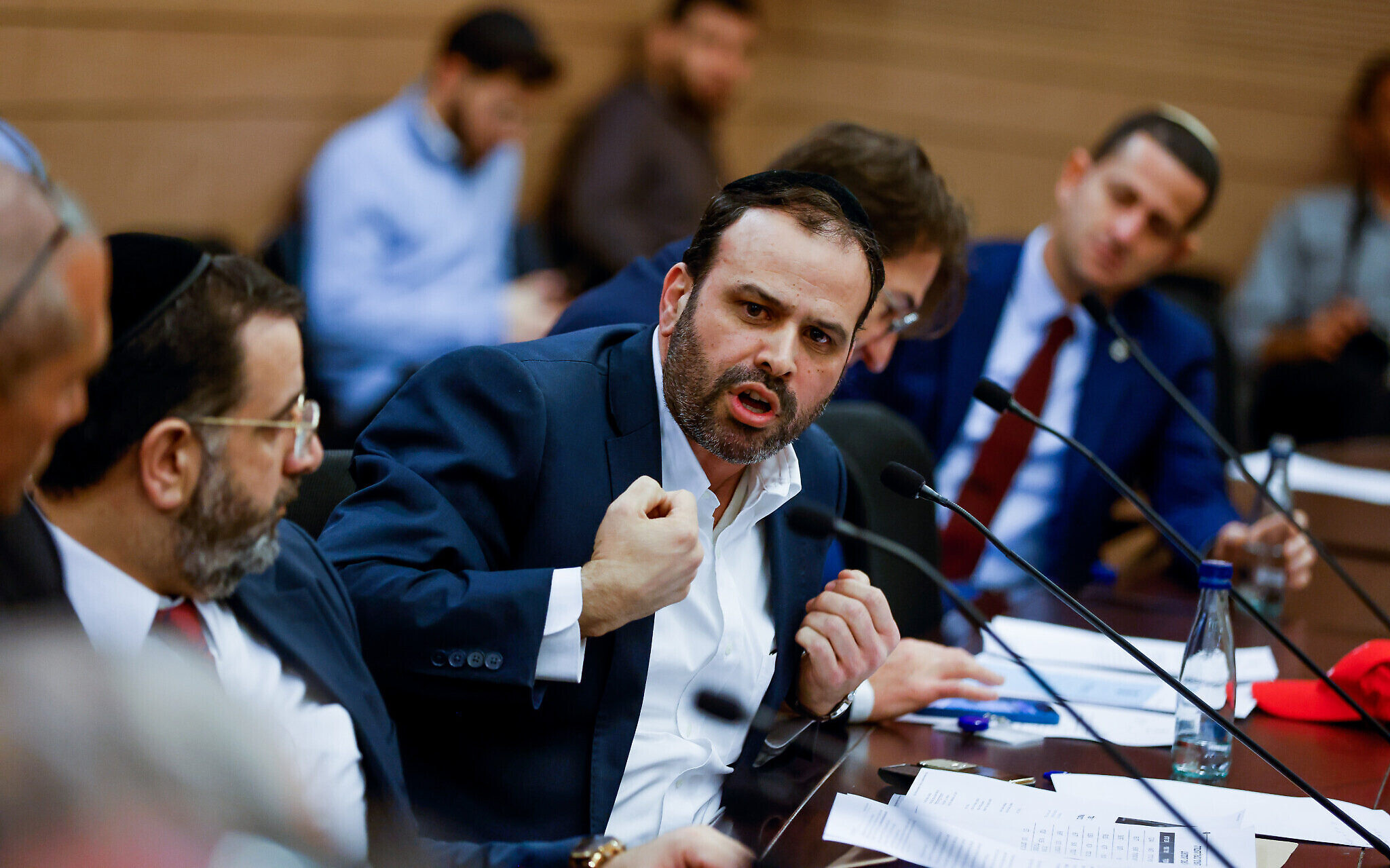
“There is already a law today that requires everyone to enlist,” and the “discussions here are themselves creating a delay,” MK Elazar Stern (Yesh Atid), the former head of the IDF Personnel Directorate, argued in the Knesset Foreign Affairs and Defense Committee during its second hearing on the controversial bill in two days.
“The majority of the coalition sitting here clearly understands that what they are working on is a temporary measure that will serve political needs,” agreed fellow Yesh Atid MK Meir Cohen, referring to a recent report that committee chairman Boaz Bismuth supported the approval of a wartime “emergency regulation,” which would allow for the immediate drafting of enough soldiers to fill the military’s manpower shortage, while also lifting sanctions on ultra-Orthodox draft evaders.
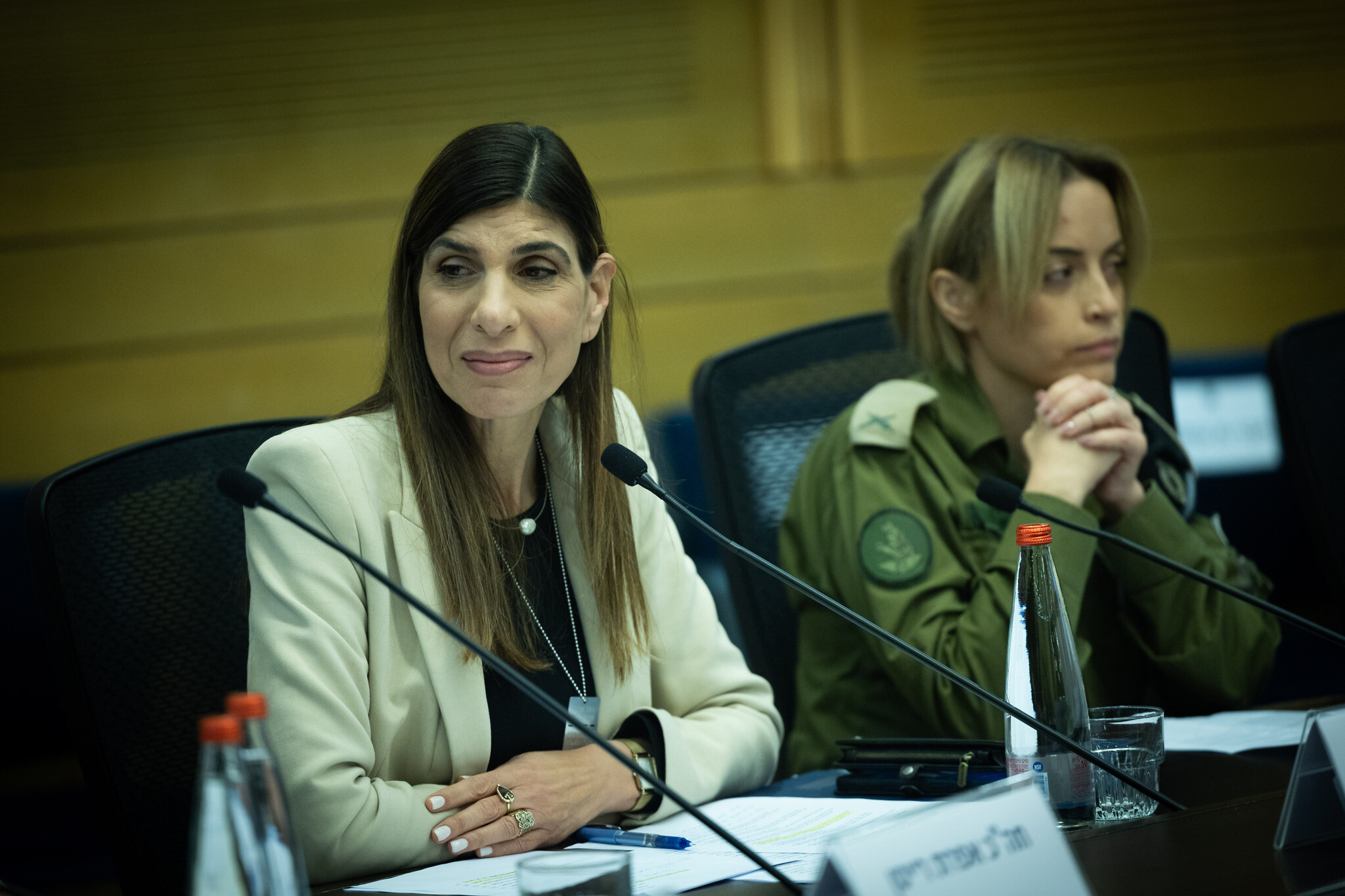
“The marathon discussions are not really intended to promote conscription,” but to enlist ultra-Orthodox support for the 2026 state budget, declared Yisrael Beytenu MK Sharon Nir, a former IDF brigadier general.
“The payoff is the passage of the evasion law. If everything we’ve done doesn’t address those heavy sanctions, then after 40 discussions, we’re in reverse, because the issue of sanctions and enforcement isn’t being taken into account. It’s simply throwing all the discussions that were held into the trash,” she argued, insisting that “whoever doesn’t enlist in the IDF should face sanctions: no yeshiva funding, no daycare subsidies, no property tax discounts, nothing.”
Nir’s comments came shortly after the High Court of Justice ruled that subsidies enjoyed by ultra-Orthodox yeshiva students for payments to the National Insurance Institute, Israel’s social security agency, must be ended. The subsidies amount to some NIS 100 million a year, according to the Movement for Quality Government in Israel, one of the primary petitioners in the case.
The ruling was based on the High Court’s decision from June 2024, in which it ruled that there was no longer any legal framework for ultra-Orthodox yeshiva students to be exempted from military service, and that, by extension, there was no legal framework to keep in place financial benefits granted by the state to such students.
‘Not backtracking in the discussions’
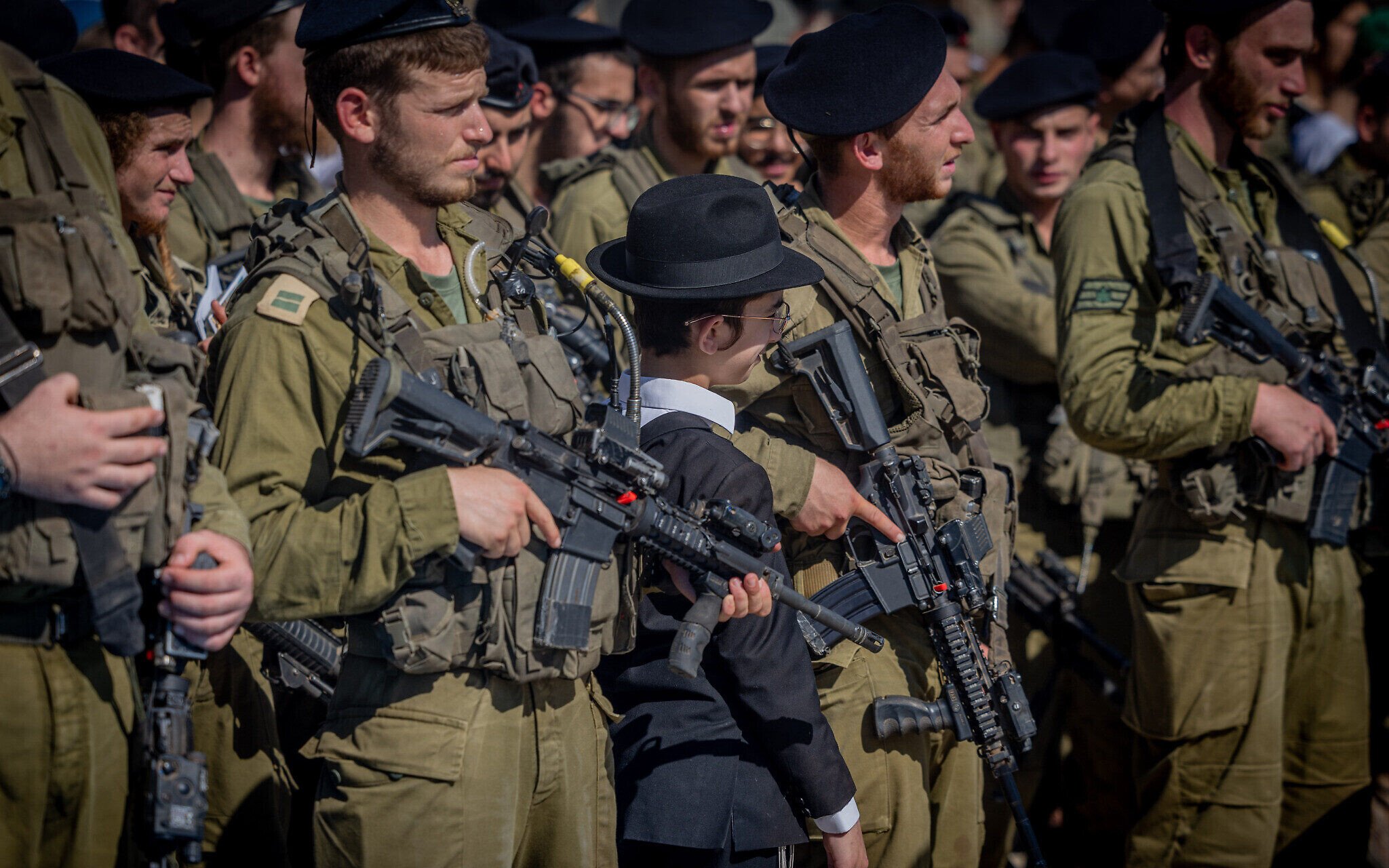
Some 80,000 ultra-Orthodox men aged between 18 and 24 are currently believed to be eligible for military service but have not enlisted. The Israel Defense Forces has said it urgently needs 12,000 recruits, due to the strain on standing and reserve forces throughout the ongoing war against Hamas in Gaza and other military challenges.
Both of the Knesset’s Haredi parties, Shas and United Torah Judaism, have been pushing for the passage of a bill to enable most ultra-Orthodox men to continue to avoid military conscription, following last summer’s court ruling.
After taking over the Foreign Affairs and Defense Committee this summer, Bismuth restarted discussions of the proposed enlistment bill — termed the “evasion law” by critics based on its original wording — jettisoning an updated and much harsher version penned by former chairman Yuli Edelstein.
Addressing Nir’s concerns, committee legal adviser Miri Frenkel Shor told lawmakers that they were “not backtracking in the discussions.”
“When we discussed the bill, we addressed the major issues. The sections that are less significant were left for follow-up discussions. We are not starting everything from scratch,” she said. “Once we see what framework is taking shape, we will advise the committee on whether it is appropriate to advance a temporary measure or a permanent one. The ultimate purpose of the legislation is, in the end, to promote recruitment.”
During a previous debate on Sunday, Frenkel Shor urged the panel to pass an interim law regulating the issue, stating that if Haredi enlistment subsequently falls short of the IDF’s target numbers, the measure should lapse.
Pushing back against criticism by opposition lawmakers, Bismuth insisted that his committee was “making history.”
‘We also contribute’
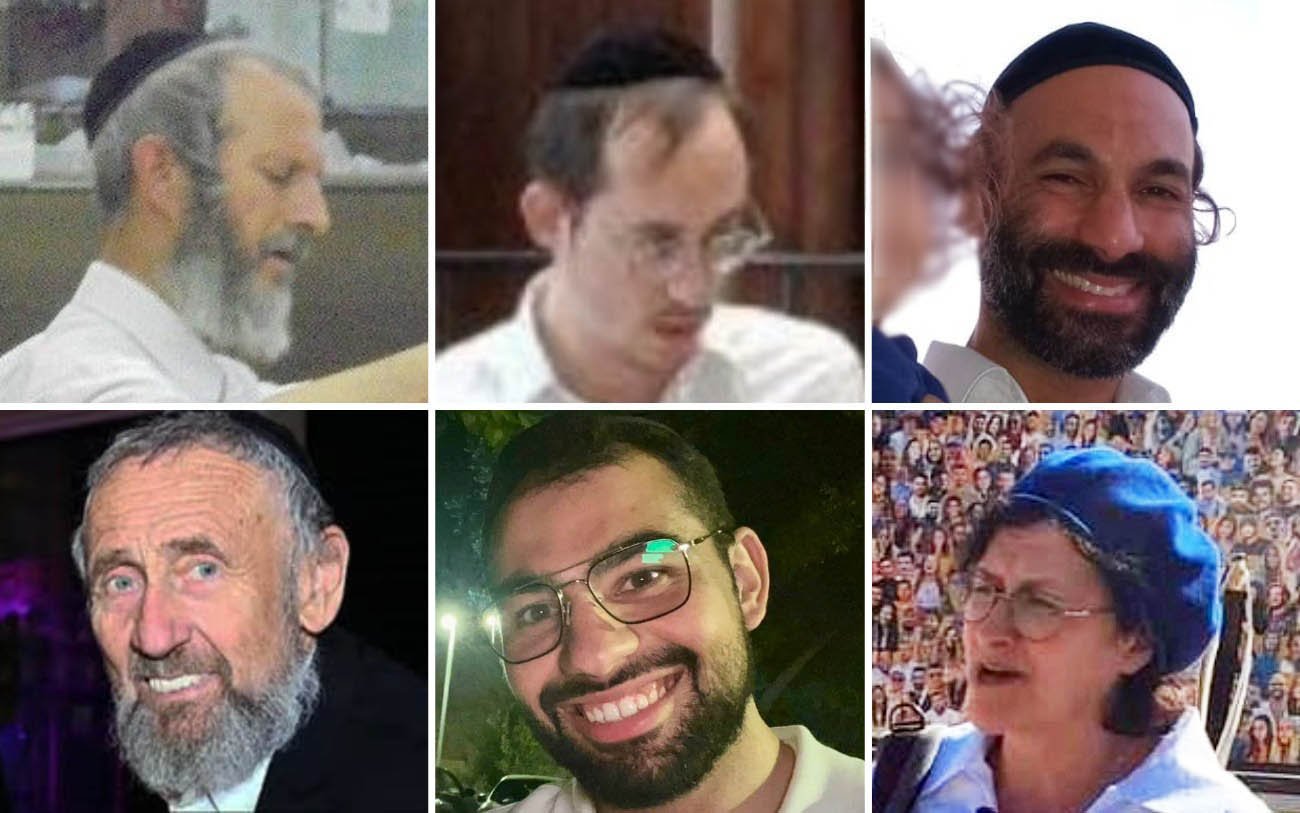
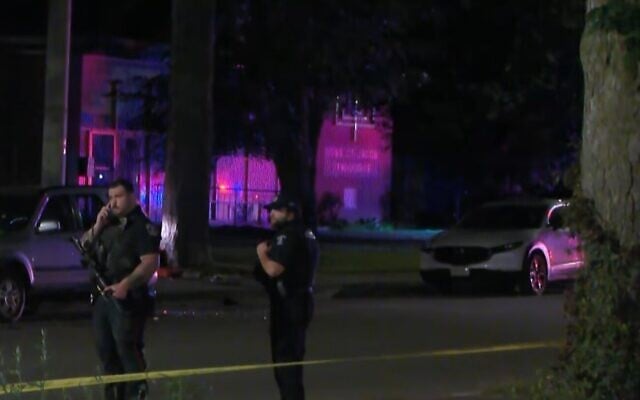
Monday’s committee meeting was briefly paused after news broke of a terrorist attack in which six people were murdered and 12 wounded by a pair of Palestinians who opened fire on vehicles and pedestrians at Jerusalem’s Ramot Junction.
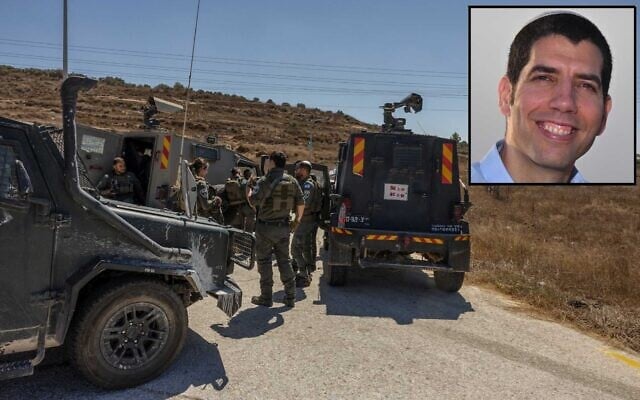
The terrorists were shot by an off-duty squad commander in the military’s new Haredi Hasmonean Brigade and an ultra-Orthodox civilian who used his personal sidearm.
Their role in stopping the attack was praised by politicians from across the political spectrum, including National Security Minister Itamar Ben Gvir, who declared that he was “proud of both Haredi men who, in the framework of our gun permit reforms, shot at the terrorists and ended the incident.”
Yisrael Beytenu chairman Avigdor Liberman and The Democrats head Yair Golan, both fierce critics of the wider Haredi community’s refusal to enlist in the IDF, praised the soldier, emphasizing his ultra-Orthodox affiliation and describing him as a “hero.”
Haredi media outlets emphasized the religious identity of the two men, with the Behadrei Haredim news site running an opinion piece explicitly linking their actions to the debate over ultra-Orthodox enlistment.
“In public and political discourse, the ultra-Orthodox are often portrayed as those who refuse to bear the burden, standing on the sidelines while others defend the state. The term ‘draft-dodgers’ has become a common phrase, and politicians fuel this stigma again and again. But the reality on the ground refuses to align with this narrative,” the site argued.
“A yeshiva student who owns a personal weapon and uses it to save lives is not standing on the sidelines. An ultra-Orthodox soldier in a new brigade established specifically to integrate members of the community is not absent. In moments of trial, it turns out that the ultra-Orthodox public is also present on the physical frontlines.”
Shas MK Yinon Azoulay also raised the incident during Monday’s committee meeting, noting that not only did Haredim neutralize the attackers, but also that members of the Haredi community were among the first responders who treated the wounded and took care of the bodies of the dead.
“Isn’t that Haredim? Isn’t that contributing to society?” he asked, noting that he personally volunteers with the United Hatzalah volunteer-based first responder organization.
“Our community also wants a law. We want a law that will do the best possible. We said this here in the committee. On one hand, we want to protect those who study Torah, and regarding those who do not – they should go to the army,” Azoulay declared.
“There must be an option for a Haredi to enter as a Haredi and leave as a Haredi. The army must provide the proper conditions. Whoever sits and studies should be able to study in peace. Whoever does not study should be able to go to the army in peace, knowing that his needs will be addressed.”
Jeremy Sharon contributed to this report.





The Times of Israel Community.