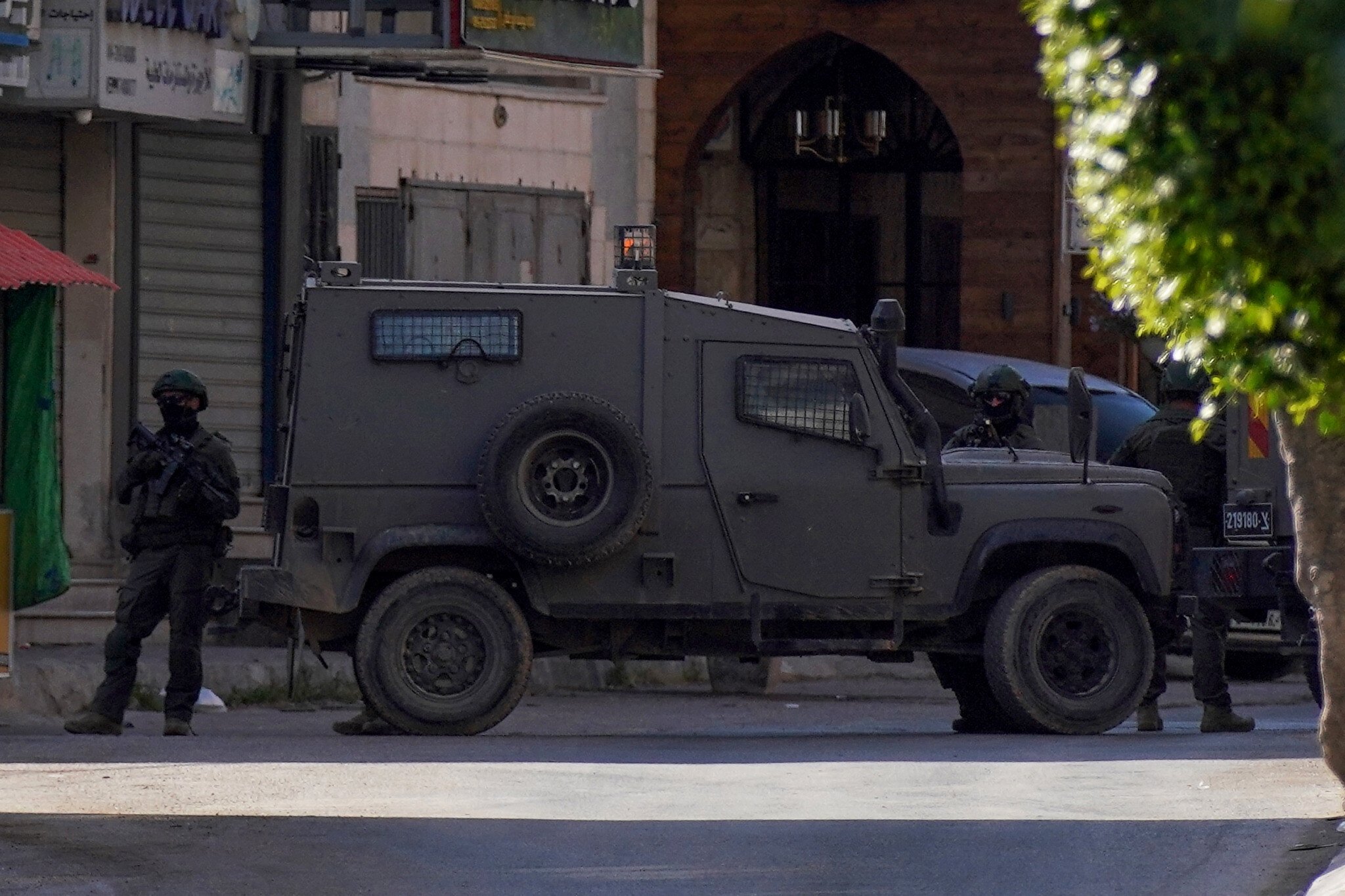
The Israeli military says it has launched an investigation after two Palestinian children were killed by soldiers in the Jenin refugee camp in the northern West Bank earlier today.
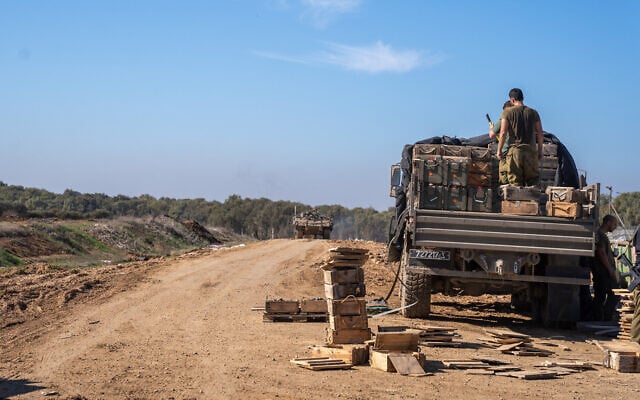
According to the IDF, during activity in the camp, soldiers spotted a group of Palestinians in an area that is declared prohibited by a military order.
“The suspects approached the forces and posed a threat to them,” the IDF says in response to a query on the incident.
The soldiers called on the Palestinians to disperse, and after they “did not comply with the forces’ instructions,” the troops began a “suspect arrest procedure,” which included opening fire at the group.
The IDF says further details are under investigation.
The official Palestinian news outlet WAFA identified the two slain Palestinians as Mohammad Sari Alawneh and Islam Abdul-Aziz Nouh Majarmeh, both 14.
The IDF has been deployed to the Jenin camp since earlier this year, as part of a major counterterrorism offensive. Residents of the camp have since been displaced and not allowed to return.
Help us report truthfully on social media

As a multimedia journalist, my job is to take the quality, fact-based journalism produced by The Times of Israel newsroom and make it accessible across every platform — from Instagram posts to podcasts to short-form videos.
This is how many, especially young people, consume news these days. But misinformation is rampant on social media. Our team at ToI produces accurate, responsible short-form reporting on Israel and the Jewish world.
If you believe in the importance of factual social media journalism, please consider joining our reader support group, The Times of Israel Community. Your financial support is essential to sustain responsible multimedia reporting.
— Gabriella Jacobs, multimedia journalist
Support our work
Support our work
Already a member? Sign in to stop seeing this
You're a dedicated reader

We’re really pleased that you’ve read X Times of Israel articles in the past month.
That’s why we started the Times of Israel - to provide discerning readers like you with must-read coverage of Israel and the Jewish world.
So now we have a request. Unlike other news outlets, we haven’t put up a paywall. But as the journalism we do is costly, we invite readers for whom The Times of Israel has become important to help support our work by joining The Times of Israel Community.
For as little as $6 a month you can help support our quality journalism while enjoying The Times of Israel AD-FREE, as well as accessing exclusive content available only to Times of Israel Community members.
Thank you,
David Horovitz, Founding Editor of The Times of Israel
Join Our Community
Join Our Community
Already a member? Sign in to stop seeing this


 From the Liveblog of
Monday, September 8, 2025
From the Liveblog of
Monday, September 8, 2025
 Add ToI as a Preferred Source on Google