

 From the Liveblog of
Tuesday, May 20, 2025
From the Liveblog of
Tuesday, May 20, 2025
Sa’ar rejects demand of France, UK, Canada to end Gaza war, says it’s part of Macron’s two-state agenda
 Add ToI as a Preferred Source on Google
Nava Freiberg is The Times of Israel's deputy diplomatic correspondent.
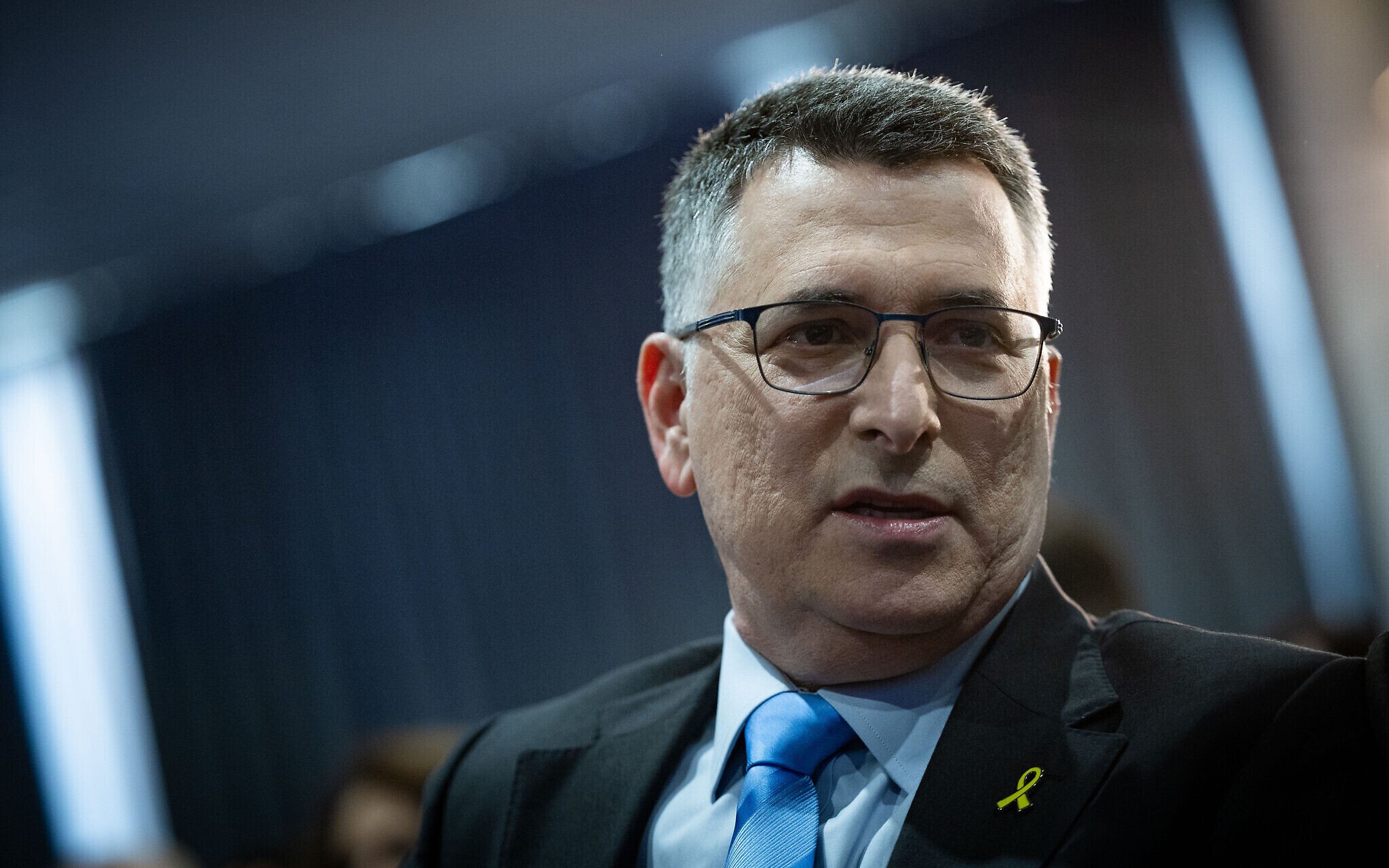
Foreign Minister Gideon Sa’ar responds to yesterday’s joint statement by the United Kingdom, France, and Canada calling on Israel to immediately halt its military campaign in Gaza and lift restrictions on the entry of aid, saying that France is exploiting the Gaza war to push its initiative of achieving a two-state solution to the Israeli-Palestinian conflict, and that Israel will not let other states influence its national security policies.
“The declaration from yesterday — it is totally connected to an axis that was built previously toward what [French] President [Emmanuel] Macron planned on June,” Sa’ar says in English-language remarks while speaking at a World Jewish Congress event in Jerusalem.
Sa’ar was referring to the planned French- and Saudi-led conference at the United Nations next month to discuss recognition of a Palestinian state as a means of resolving the conflict.
“The unilateral recognition in a Palestinian state — the ongoing reality is just something to be used in order to push it,” says Sa’ar, adding that “by the way, President Macron during this war also prohibited Israel from participating in certain exhibitions in Paris — it’s sanctions, it is sanctions,” he continues.
“So what I want to tell to every country, mainly those who had a colonial past: This is a proud nation, an independent nation, fighting on its existence, and we will not get any dictates from outside with regard to our national security, this should be very understood,” concludes Sa’ar.
Asked earlier today about the joint statement’s mention of “further concrete actions” if Israel did not sufficiently address the humanitarian situation in Gaza, French Foreign Minister Jean-Noel Barrot said that Paris backs a Dutch-led initiative to review the EU-Israel Association Agreement in response to the Gaza war, the suspension of which could greatly harm political and economic ties.







The Times of Israel Community.