

 From the Liveblog of
Friday, April 17, 2026
From the Liveblog of
Friday, April 17, 2026
UN claims average of 47 women and girls killed daily during Gaza war; expert refutes figures
 Add ToI as a Preferred Source on Google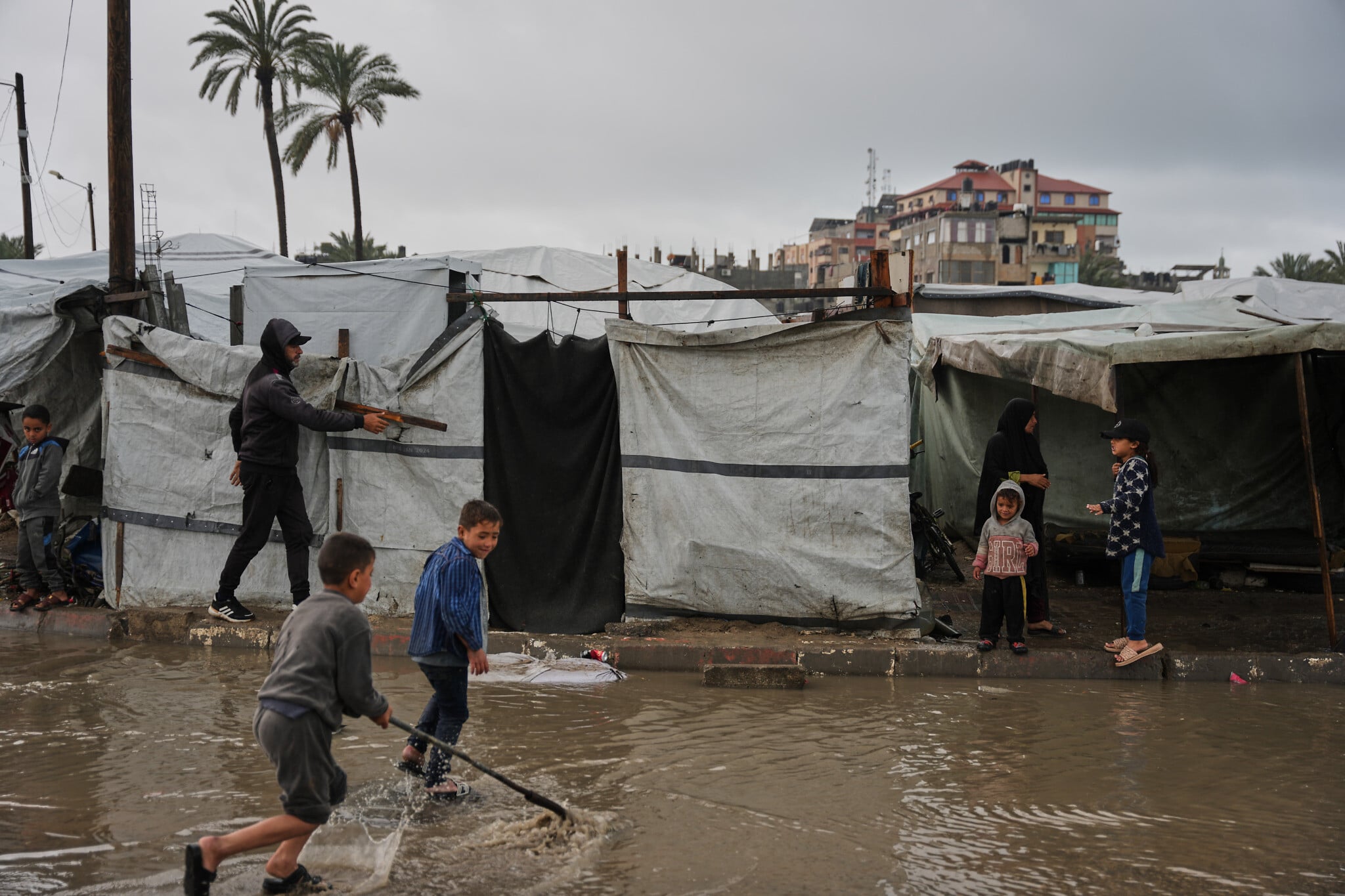
An average of at least 47 women and girls were killed each day during the war in Gaza, according to figures published by UN Women on Friday, and the agency warns that deaths have continued six months into a fragile ceasefire.
More than 38,000 women and girls were killed in Gaza between October 2023 and December 2025, according to the report by UN Women, an agency that focuses on gender equality.
The figures have not been independently verified.
“Women and girls accounted for a proportion of deaths far higher than those observed in previous conflicts in Gaza,” Sofia Calltorp, the agency’s humanitarian action head, tells reporters in Geneva.
The agency expresses concern that the killing of women and girls has continued since an October ceasefire, though it does not know exactly how many have died due to a lack of gender-aggregated data.
October’s ceasefire halted two years of full-scale war but left Israeli troops in control of a depopulated zone that makes up well over half of Gaza, with Hamas in power in the remaining, narrow, coastal strip.
More than 750 Palestinians have been killed since then, according to local medics, while armed Palestinian groups have killed four Israeli soldiers. Israel and Hamas have traded blame for ceasefire violations.
Israel says it aims to thwart attacks by Hamas and other terror groups.
UN children’s agency UNICEF says that children continued to be killed and injured at an alarming rate in Gaza, with at least 214 reported dead in the last six months.
Around one million women and girls are displaced in Gaza, UN Women says.
“Extensive damage to infrastructure has made it almost impossible for women and girls in Gaza to access their basic needs like healthcare,” says Calltorp.
Within hours of the report being published, an American policy analyst identified major holes in the UN agency’s methodology.
Israel Policy Forum senior policy associate Gabriel Epstein told The Times of Israel that the UN agency’s 38,000 figure was derived by applying projections regarding the gender and age breakdown from early in the war, rather than using more accurate and available figures from recent months.









The Times of Israel Community.