

Movies on non-Zionist ‘Maus’ creator among diverse features in capital’s Hanukkah film fest
Jerusalem Cinematheque’s annual Jewish Film Festival, running Dec. 13-18, captures Jews’ varied voices, including two docus on Art Spiegelman, who doesn’t even want to think about Israel
 Add ToI as a Preferred Source on Google
Jessica Steinberg, The Times of Israel's culture and lifestyles editor, covers the Sabra scene from south to north and back to the center
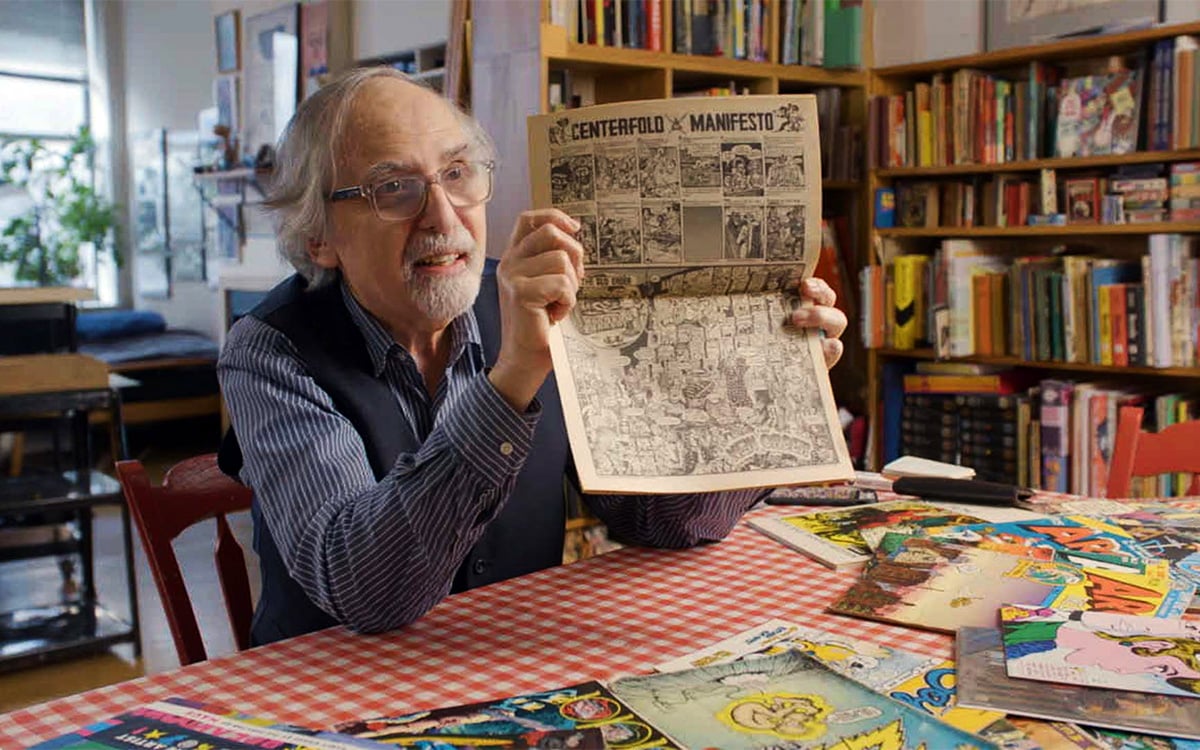
“Maus” creator Art Spiegelman once famously said that he’s spent a lifetime trying not to think about Israel — but when the annual Jewish Film Festival kicks off at the Jerusalem Cinematheque over the Hanukkah holiday next week, two featured films will give Israelis plenty of opportunity to think about Spiegelman, whose award-winning, 40-year-old graphic novel about the Holocaust continues to resonate with readers today.
The films about Spiegelman, “The Hell of Auschwitz: Maus by Art Spiegelman” and “Art Spiegelman: Disaster is My Muse,” examine how art and artistic creation can serve as powerful tools for processing and confronting trauma, said festival director Daniella Tourgeman.
The two films are part of an annual December event that aims to strengthen the understanding of Jewish identity in all its diversity.
The festival, currently celebrating its 27th edition, will run December 13-18 and will include more than 40 films from 15 countries, as well as discussions, lectures, panels, and special events.
In addition to the Spiegelman double feature, there is a film about a zoo in Ukraine (“Checkpoint Zoo”), at least half a dozen Holocaust-related films, a rare deep dive into the world of nursing, and plenty of biographical movies, including “Billy Joel: And So It Goes” and “Steven Spielberg – The New Hollywood Prodigy.”
One of the two Spiegelman films falls into the biographical realm as well, but both revolve heavily around “Maus,” the only graphic novel to win a Pulitzer Prize, for its distillation of the Holocaust in comic book form. (“Art Spiegelman: Disaster is My Muse” was screened in Israel for DocAviv 2025 and the summertime Jerusalem Film Festival.)
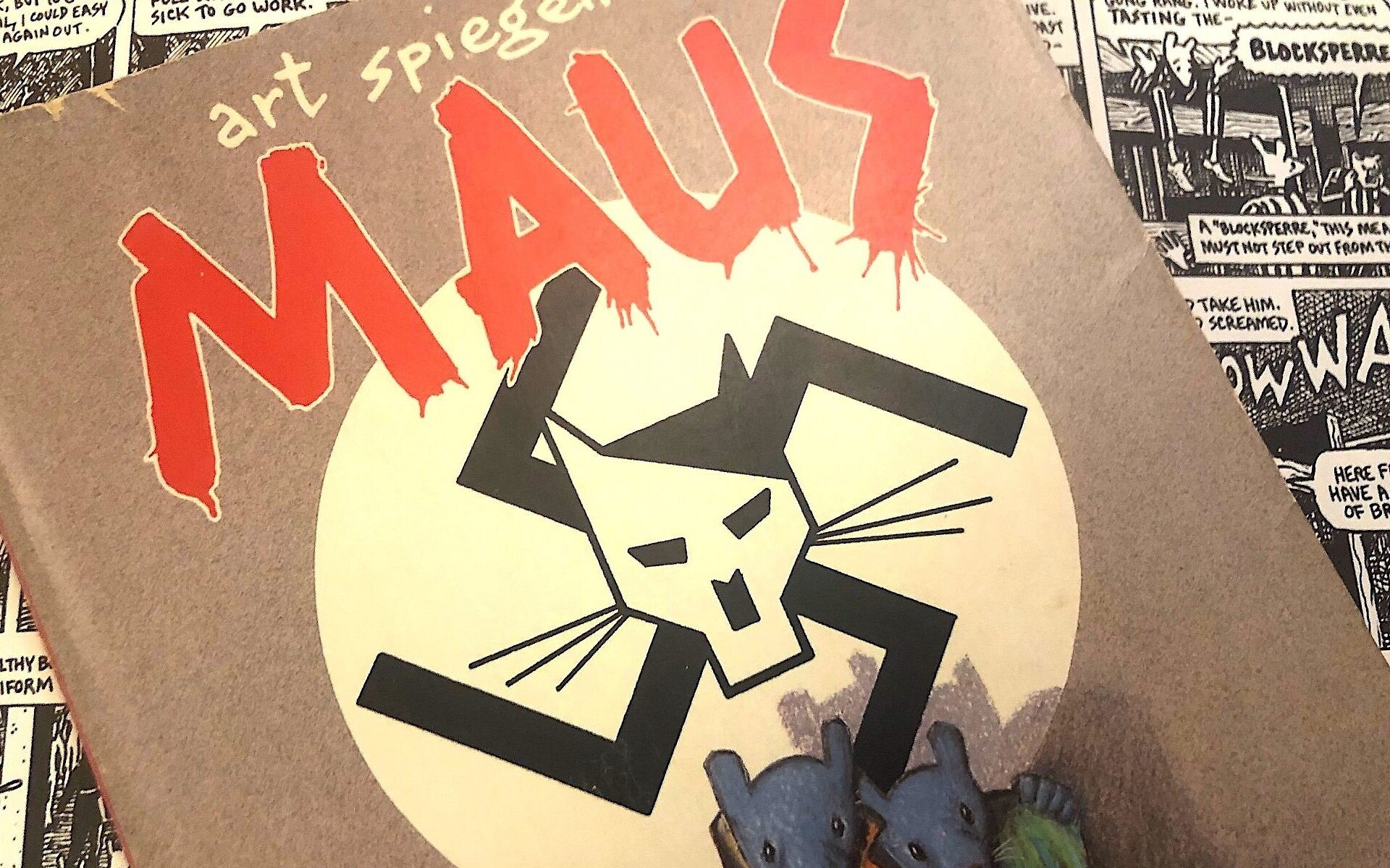
Spiegelman will not be in Jerusalem for the event; he’s only been in Israel once, for a bar mitzvah trip in 1961, which he described as uncomfortable in an interview with the New York Review of Books in March this year.
“Every young man carried a rifle,” he told the New York Review. “I am very grateful that my parents ended up in America after the war. I’ve always been more comfortable taking my chances in the Diaspora.”
The New York-based Spiegelman has related to Israel’s war with Hamas sparingly but fiercely over the last two years, collaborating with cartoonist Joe Sacco to create the comic “Never Again!”
Joe Sacco and Art Spiegelman: Drawn into Gaza https://t.co/a4CaJ2J2VY
— The New York Review of Books (@nybooks) February 16, 2025
In it, he and Sacco draw themselves and their pained reactions to the war sparked by the Hamas terror onslaught in Israel on October 7, 2023. Spiegelman calls Israel’s actions in Gaza “genocidish,” while remarking that he doesn’t ever want “Maus” to be a recruiting poster for the Israeli army.
Still, said Philip Dolin, one of the filmmakers behind “Disaster is My Muse,” the Hamas-led atrocities weren’t part of his film, noting, “you don’t have to talk about everything.”
The two Spiegelman films, both completed about two years ago and released during the last year, unpack Spiegelman and his professional and personal history, as well as his demons and his art. They also look at how the 40-year-old “Maus” has played a major role in Spiegelman’s professional life.
“Art Spiegelman: Disaster is My Muse” by Molly Bernstein and Dolin is an authorized biographical film, worked on for years by a pair of New York documentary filmmakers who are a couple in real life and who were acquainted with Spiegelman before they began working on the film in earnest.
Spiegelman had frequently refused offers to make a film about his work, but had discussed making a film with Bernstein and Dolin about other aspects of his cartooning.
It wasn’t until “Maus” was banned in 2022 from an eighth-grade curriculum by a local school board in Tennessee, spurring a nationwide debate, that the filmmakers were able to find funding from the Public Broadcasting System for the film, and Spiegelman agreed to broaden the film’s subjects.
“He changed, and the story changed, and it had to include ‘Maus,’ Dolin told The Times of Israel, “whether Art liked it or not.”
That film is an exhaustive look at Spiegelman’s entire history, his complicated childhood as the only child of Holocaust survivors with their traumatic back stories, including the Holocaust-era death of his older brother, Richeau, and the later suicide of his mother.
There are entertaining portions as well, including Spiegelman’s early cartooning years in San Francisco, his work for Topps Gum that provided a steady stream of income, as well as his creation of the hugely popular Garbage Pail Kids, another Topps series.
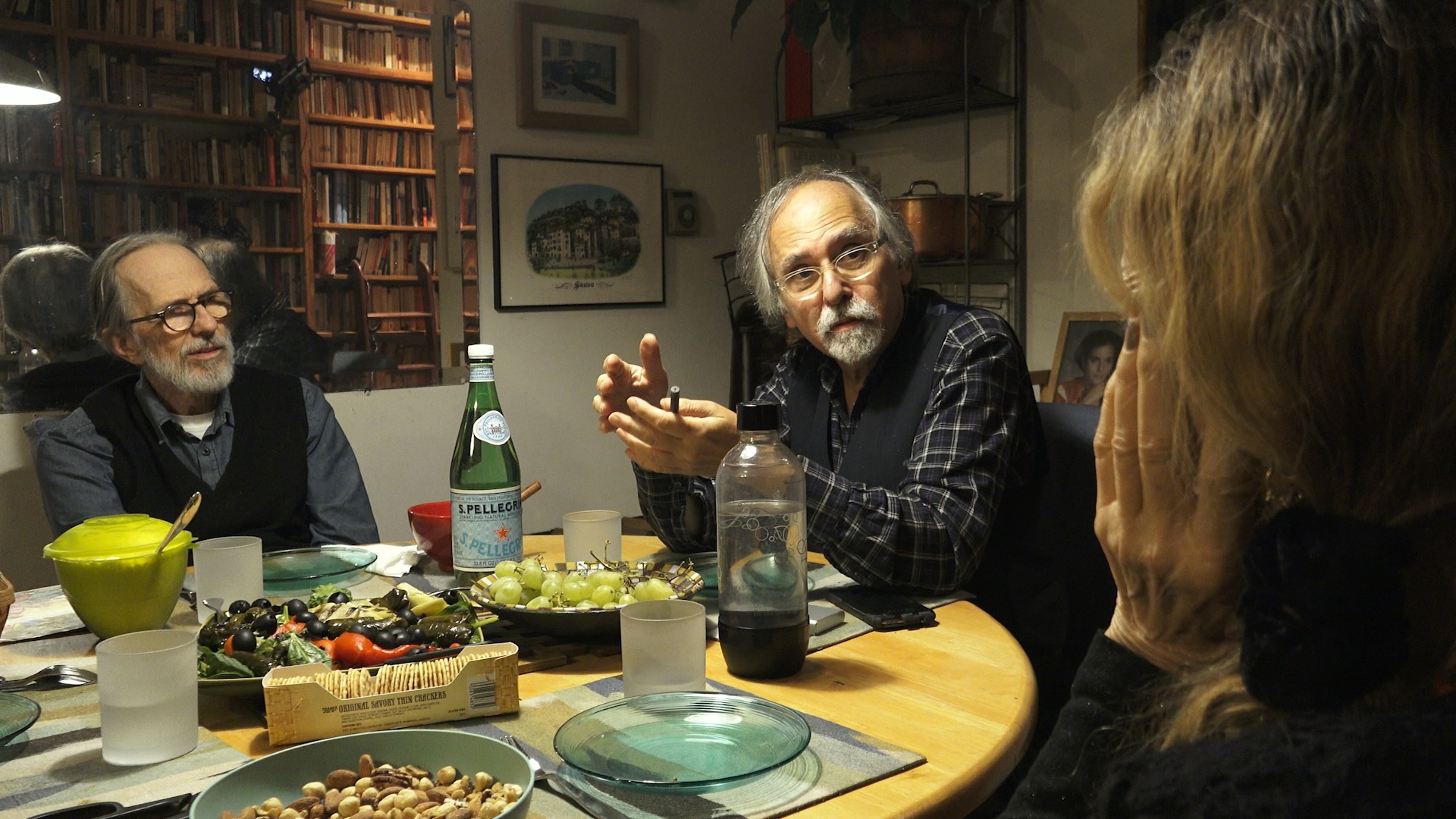
The story of his career, with his years in San Francisco and underground comics, is told during one long interview over hors d’oeuvres, with the legendary artists Robert Crumb and Aline Kominsky-Crumb, and Spiegelman’s wife Françoise Mouly, now the art editor of The New Yorker.
“We wanted to show how comics became his vocabulary,” said Dolin.
The mute ‘Maus’ in the room
“The Hell of Auschwitz: Maus by Art Spiegelman” is French filmmaker Pauline Horovitz’s very different approach, looking at how “Maus” has affected Holocaust researchers and cartoonists for several generations.
Her film focuses on interviews conducted with French Holocaust researchers and comic book artists who speak about “Maus” and its place as a work of literature and a groundbreaking comic book.
The Paris-based Horovitz was in touch with Spiegelman, who politely told her he couldn’t appear in her film given his participation in “Disaster is My Muse.”
“I had to do it without him, but in the end it wasn’t such a big deal, firstly because I wasn’t making a biopic, and secondly because he keeps saying he’s tired of talking about ‘Maus,'” Horovitz told The Times of Israel.
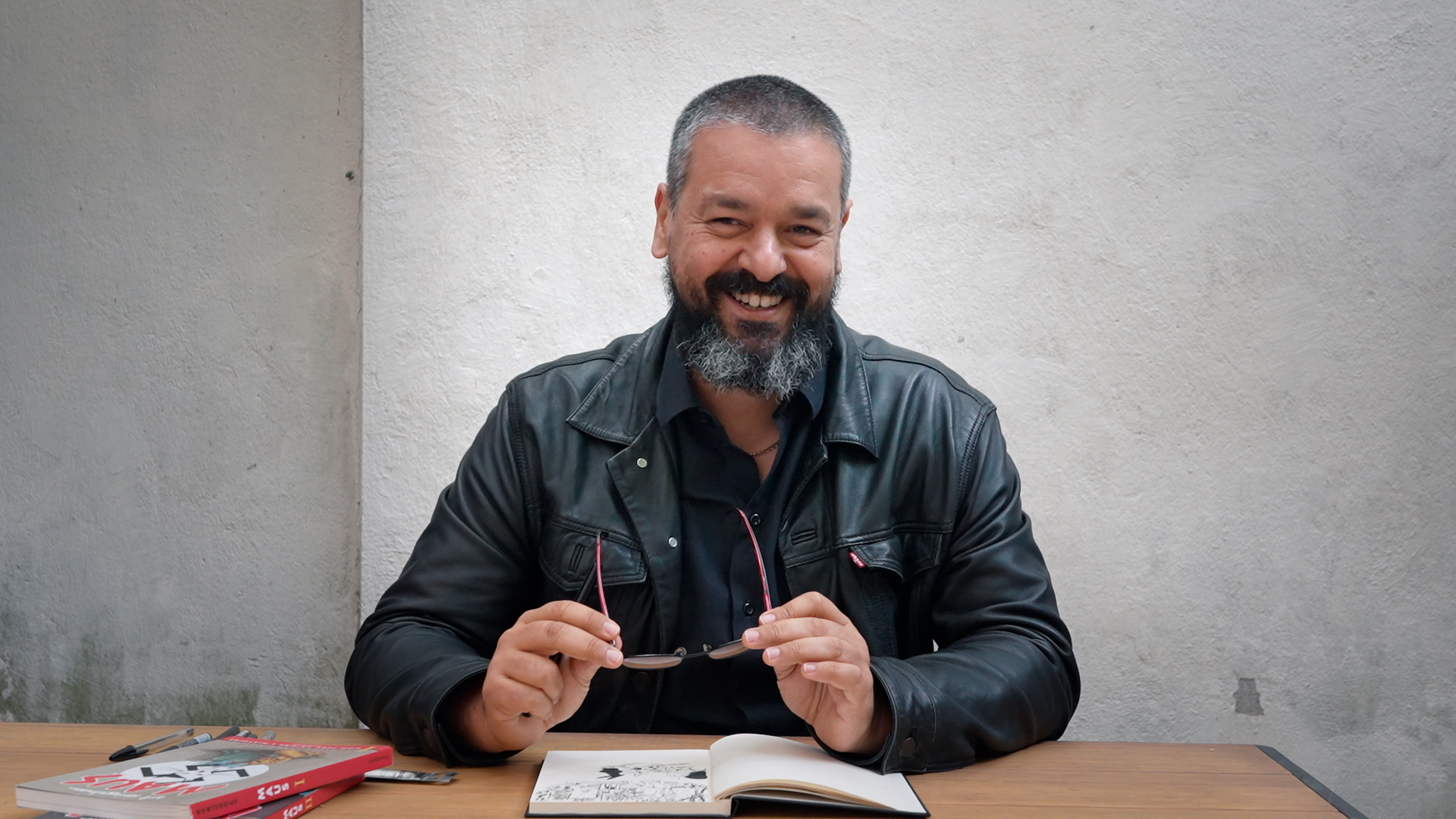
Not so her subjects. Each one, whether a historian, cartoonist, her father, or her teenage son, talks about how much the book affects them, even now.
There are no bans on books in Europe, said Horovitz, but caution and concern about antisemitism are present in her life in Paris, a subject that she discusses with her children.
At the same time, said Horovitz, “Maus” is readily available at bookstores in France, where comics and graphic novels are a regular part of people’s reading and “Maus” is still a bestseller.
“My son said his friends all read it,” said Horovitz, “and they all liked it.”
“The Hell of Auschwitz – Maus by Art Spiegelman,” December 18, 8:30 p.m.
“Art Spiegelman: Disaster Is My Muse,” December 14, 5:30 p.m.










The Times of Israel Community.