

Reversing decades-old ban, US tax agency says clergy may endorse political candidates
IRS reverses policy while settling lawsuit brought by two churches, Christian broadcasting network, that sought to undo endorsement ban for all nonprofit entities
 Add ToI as a Preferred Source on Google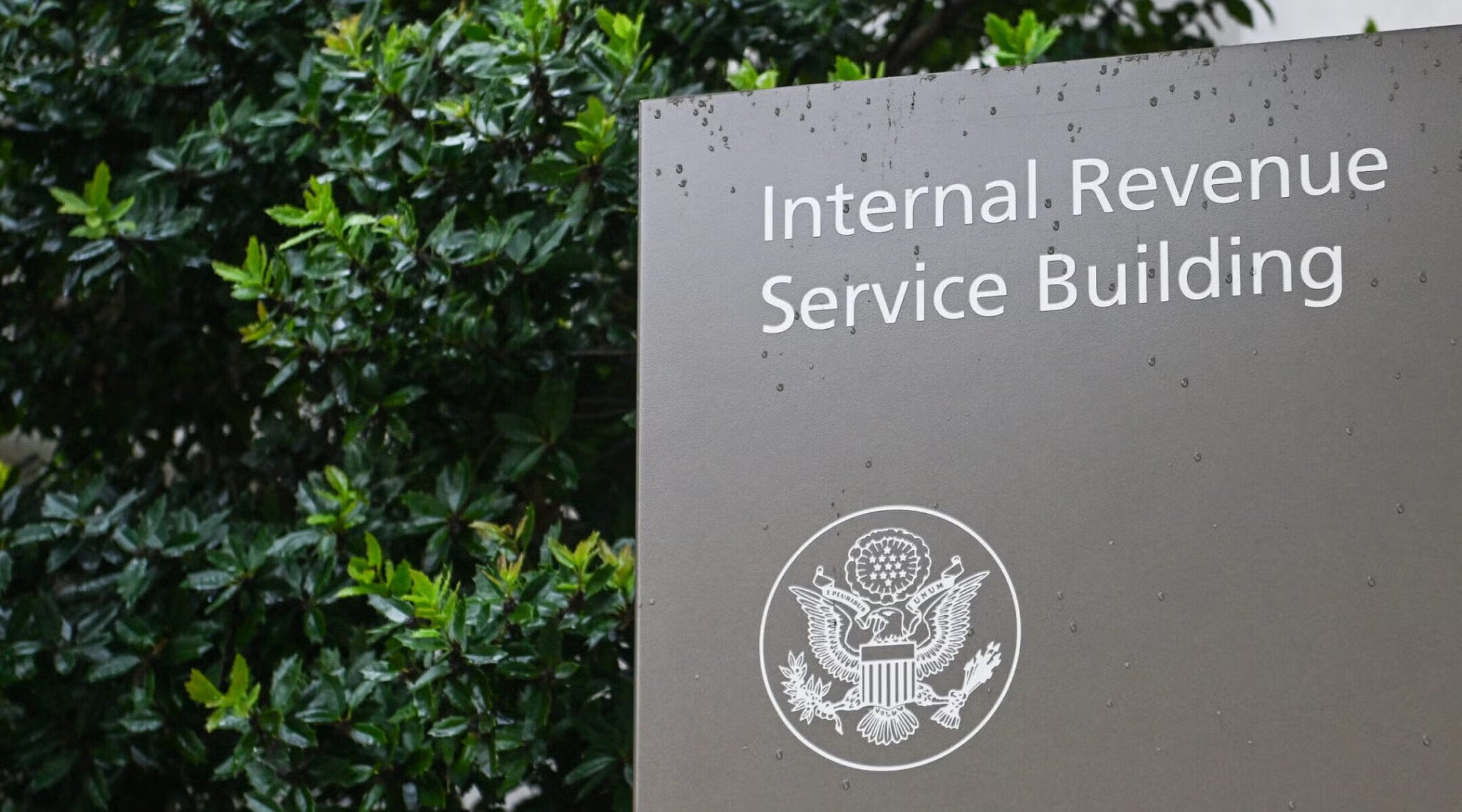
JTA — Rabbis and other clergy members in the United States may endorse candidates from the pulpit without jeopardizing their house of worship’s tax-exempt status, the Internal Revenue Service decreed on Monday.
The policy change reverses a ban on endorsing or opposing candidates by religious organizations known as the Johnson Amendment, enacted in the 1950s.
The IRS made the change in the course of settling a lawsuit brought by two churches and a Christian broadcasting network in Texas that sought to undo the ban for all nonprofit entities.
The IRS said endorsements by houses of worship to their congregations are akin to “a family discussion concerning candidates,” according to The New York Times, which was the first to report the policy change.
“Thus, communications from a house of worship to its congregation in connection with religious services through its usual channels of communication on matters of faith do not run afoul of the Johnson Amendment as properly interpreted,” the agency said in a legal filing.
US President Donald Trump vowed during his first term to do away with the Johnson Amendment, calling it “very, very unfair,” and issued an executive order prohibiting the IRS from prosecuting violations. But a full repeal would have required an act of Congress, and the ban survived a 2017 legislative effort to repeal it.

Many Jewish leaders have sought to comply with the prohibition despite the lack of enforcement. In the recent New York City mayoral primary, for example, some rabbis and synagogues emphasized in their communication with congregants that they could not endorse a candidate, even as they urged voting.
Now, they will be allowed to make an endorsement in the general election — a shift that could liberate them to articulate their values in new ways, but also put pressure on them to wade into electoral politics.









The Times of Israel Community.