

Top US court to hear cases seeking to hold social media firms responsible for terror
Supreme Court will hear two cases in which victims’ relatives have sued Google, Twitter and Facebook, in a major test of tech firms’ immunity from liability for user-posted content
 Add ToI as a Preferred Source on Google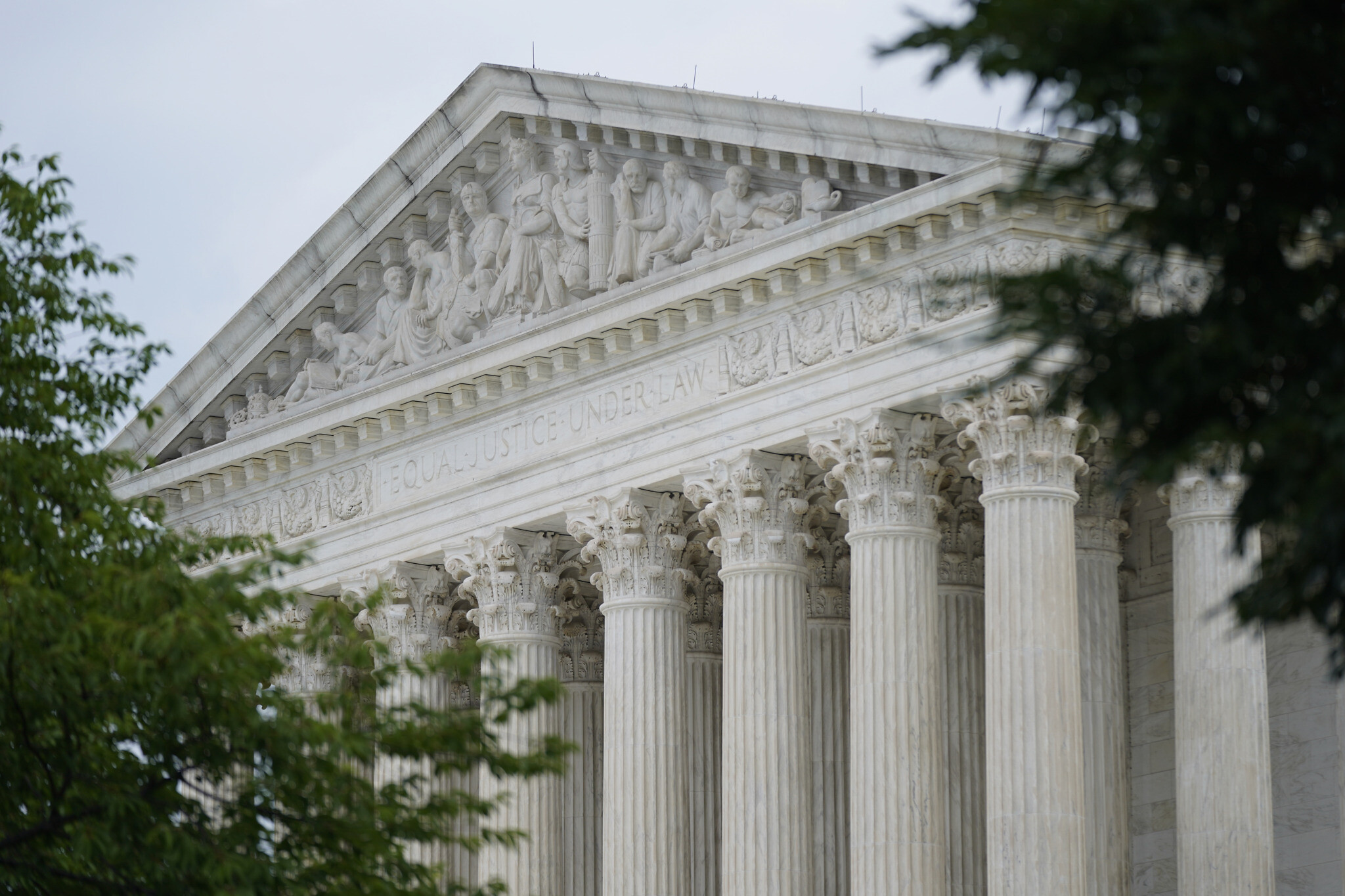
WASHINGTON — The US Supreme Court has said it will hear two cases seeking to hold social media companies financially responsible for terrorist attacks. The cases are seen as an important test of the country’s federal law that generally makes internet companies exempt from liability for the material users post on their networks.
In the cases the court agreed earlier this month to hear, relatives of people killed in terrorist attacks in France and Turkey had sued Google, Twitter and Facebook. They accused the companies of helping terrorists spread their message and radicalize new recruits. One of the cases was thrown out, mostly under Section 230 of the Communications Decency Act, while the other was allowed to proceed.
The court is expected to hear arguments in the cases this winter with decisions before the court recesses for the summer, usually in late June.
One of the cases the justices will hear involves Nohemi Gonzalez, a 23-year-old US citizen studying in Paris. The Cal State Long Beach student was one of 130 people killed in Islamic State group attacks in November 2015. The attackers struck cafes, outside the French national stadium and inside the Bataclan theater. Gonzalez died in an attack at La Belle Equipe bistro.
Gonzalez’s relatives sued Google, which owns YouTube, saying the platform had helped the Islamic State group by allowing it to post hundreds of videos that helped incite violence and recruit potential supporters. Gonzalez’s relatives said that the company’s computer algorithms recommended those videos to viewers most likely to be interested in them. But a judge dismissed the case and a federal appeals court upheld the ruling.
The other case the court agreed to hear involves Jordanian citizen Nawras Alassaf. He died in the 2017 attack on the Reina nightclub in Istanbul where a gunman affiliated with the Islamic State killed 39 people.

Alassaf’s relatives sued Twitter, Google and Facebook for aiding terrorism, arguing that the platforms helped the Islamic State grow and did not go far enough in trying to curb terrorist activity on their platforms. A lower court let the case proceed.
The cases are Reynaldo Gonzalez et al. v Google, 21-1333, and Twitter et al. v Mehier Taamneh, 21-1496.




The Times of Israel Community.