

Iranian cleric: Women can’t be president
Ayatollah Mohammad Yazdi’s ruling effectively terminates bids of about 30 female would-be candidates
 Add ToI as a Preferred Source on Google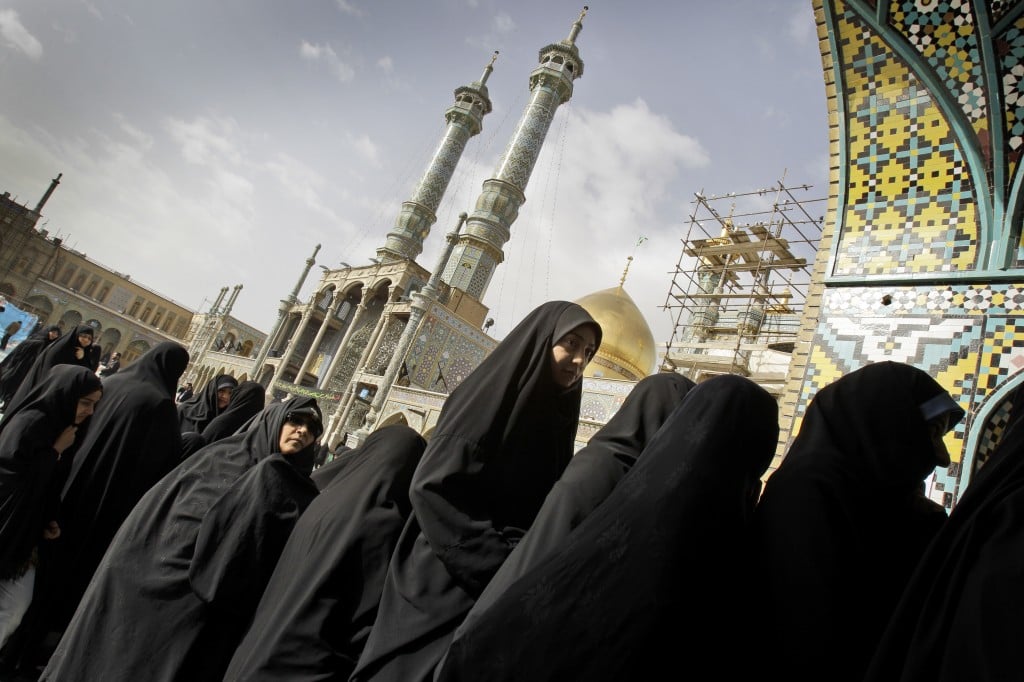
TEHRAN, Iran (AP) — A member of Iran’s constitutional watchdog group insists that women cannot be presidential candidates, a report said Thursday, effectively killing the largely symbolic bids by about 30 women seeking to run in the June 14 election.
Even before the comments by Ayatollah Mohammad Yazdi, chances for a woman candidate in Iran’s presidential election were considered nearly impossible.
Women also have registered as potential candidates in past presidential elections, but the group that vets hopefuls appears to follow interpretations of the constitution that suggest only a man may hold Iran’s highest elected office. Women, however, are cleared to run for Iran’s parliament and have served as lawmakers.
The semiofficial Mehr news agency quotes Yazdi as saying the “law does not approve” of a woman in the presidency and a woman on the ballot is “not allowed.”
The Guardian Council, where Yazdi is a member, vets all candidates for the presidency and parliament. A total of 686 people have registered to replace President Mahmoud Ahmadinejad, who cannot run for a third mandate because of term limits.
The final list will be announced Tuesday, with only a handful of names expected on the ballot.
While women have greater freedom in Iran than many other countries in the region, particularly Saudi Arabia and neighboring Afghanistan, it is widely believed that the wording of the constitution closes the door on the presidency.
It says the president will be elected from religious-political men, or “rijal,” a plural for man in Arabic that is common in Farsi, too.
Presumed candidates include former President Akbar Hashemi Rafsanjani, who is backed by pro-reform groups, and rivals supported by the ruling clerics such as top nuclear negotiator Saeed Jalili, Tehran mayor Mohammad Bagher Qalibaf and former foreign minister Ali Akbar Velayati.
A major question is whether the Guardian Council will clear Ahmadinejad’s choice, close aide Esfandiar Rahim Mashaei. His chances are severely hampered by his association with Ahmadinejad, who has fallen out of favor with the ruling theocracy over his challenges to the authority of Supreme Leader Ayatollah Ali Khamenei.
Copyright 2013 The Associated Press.





The Times of Israel Community.