

After war put them on the ropes, a martial arts gym gives wounded vets a fighting chance
House of Heroes, founded by former IDF resilience trainer Sagi Dovev, uses MMA and other sparring styles to help rehabilitate some of the 26,200 soldiers scarred in body and mind since October 7, 2023
 Add ToI as a Preferred Source on Google
Reporter at The Times of Israel
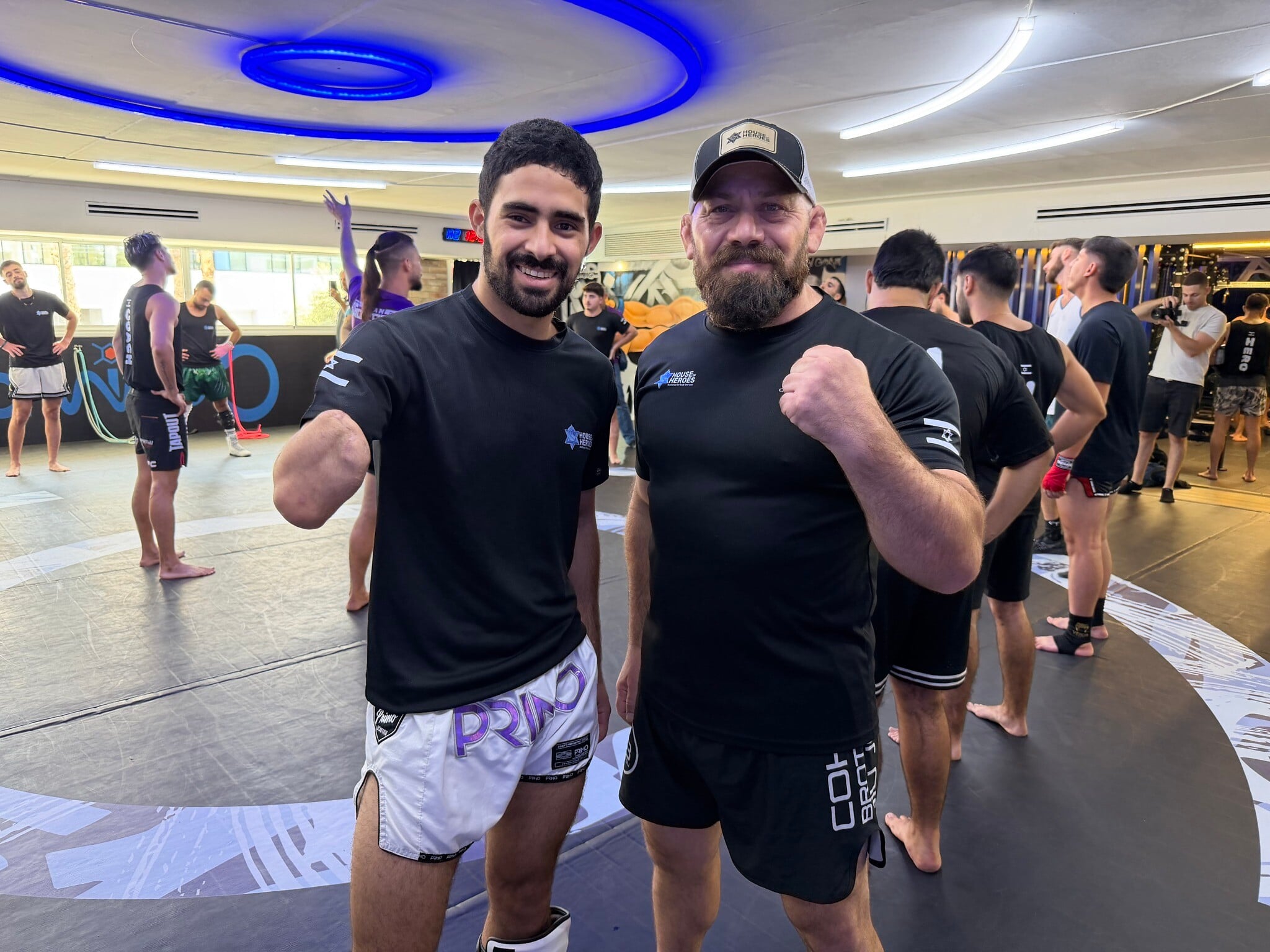
OR YEHUDA – On a recent morning, Sagi Dovev started his day the way he usually does: throwing jabs, kicks and flipping opponents onto a mat.
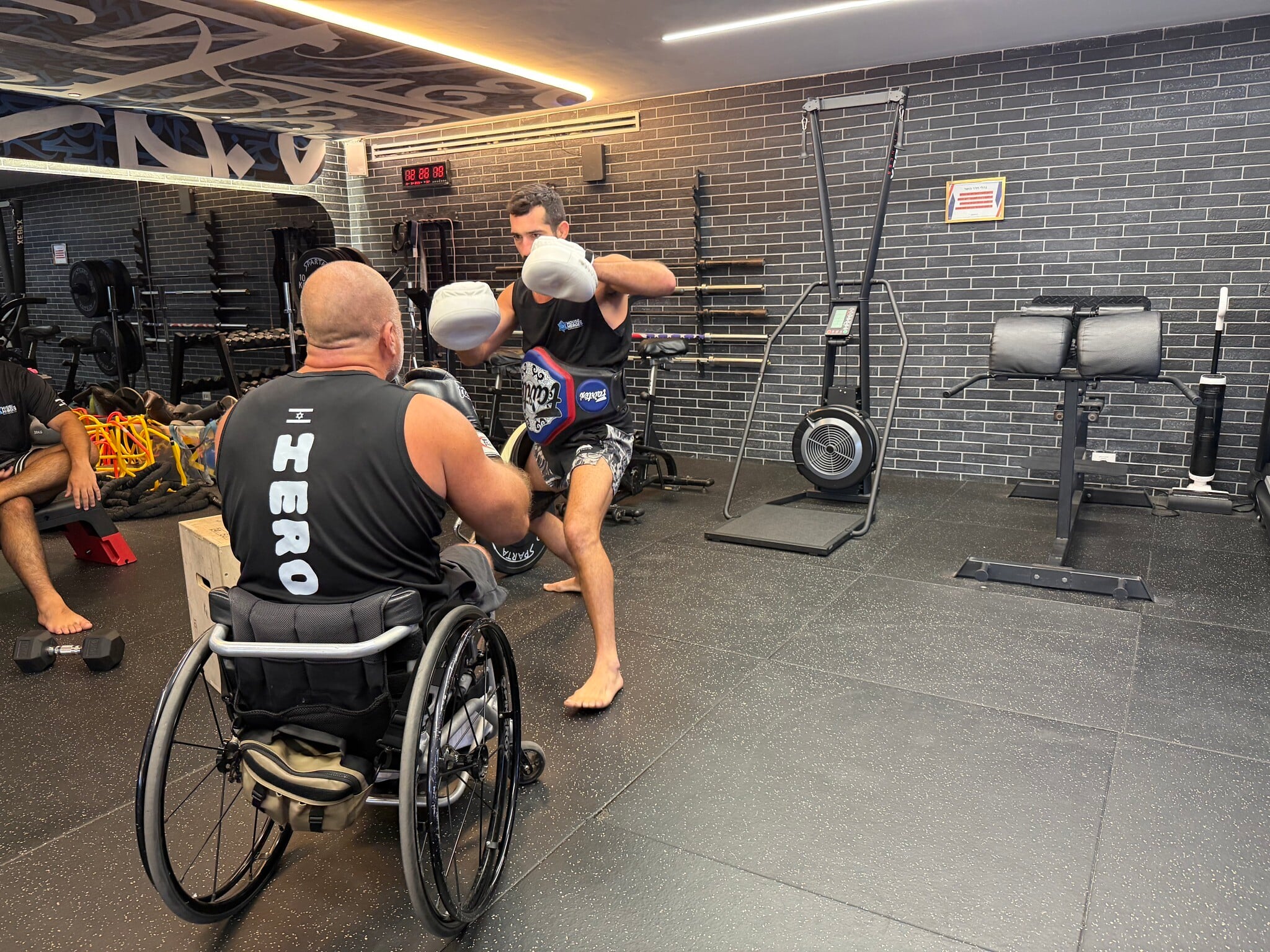
His sparring partners included one soldier who was missing a leg, another without an arm, a combat veteran fighting from a wheelchair and others with invisible wounds like Post-Traumatic Stress Disorder.
Gathering at a second-story gym in central Israel that is the temporary home of House of Heroes, the close-quarters combat and resilience trainer led sessions for the ex-soldiers on mixed martial arts, jiu-jitsu and Krav Maga, turning the space into a blur of sweaty motion, accompanied by a cacophony of thuds and grunts.
“These are elite fighters,” Dovev, 49, told The Times of Israel while he surveyed the crowded gym. “One day they were doing extreme missions, and the next day they were in a hospital bed. They are warriors, and we want them to be warriors again.”
Dovev, who formerly served as a head special operations trainer in the IDF, is the founder of the House of Heroes,
Dovev came up with the idea for the non-profit as he and the rest of the country scrambled to respond to the October 7, 2023, invasion of thousands of Hamas-led terrorists into southern Israel, where they slaughtered some 1,200 people, most of them civilians, and kidnapped 251 to the Gaza Strip.
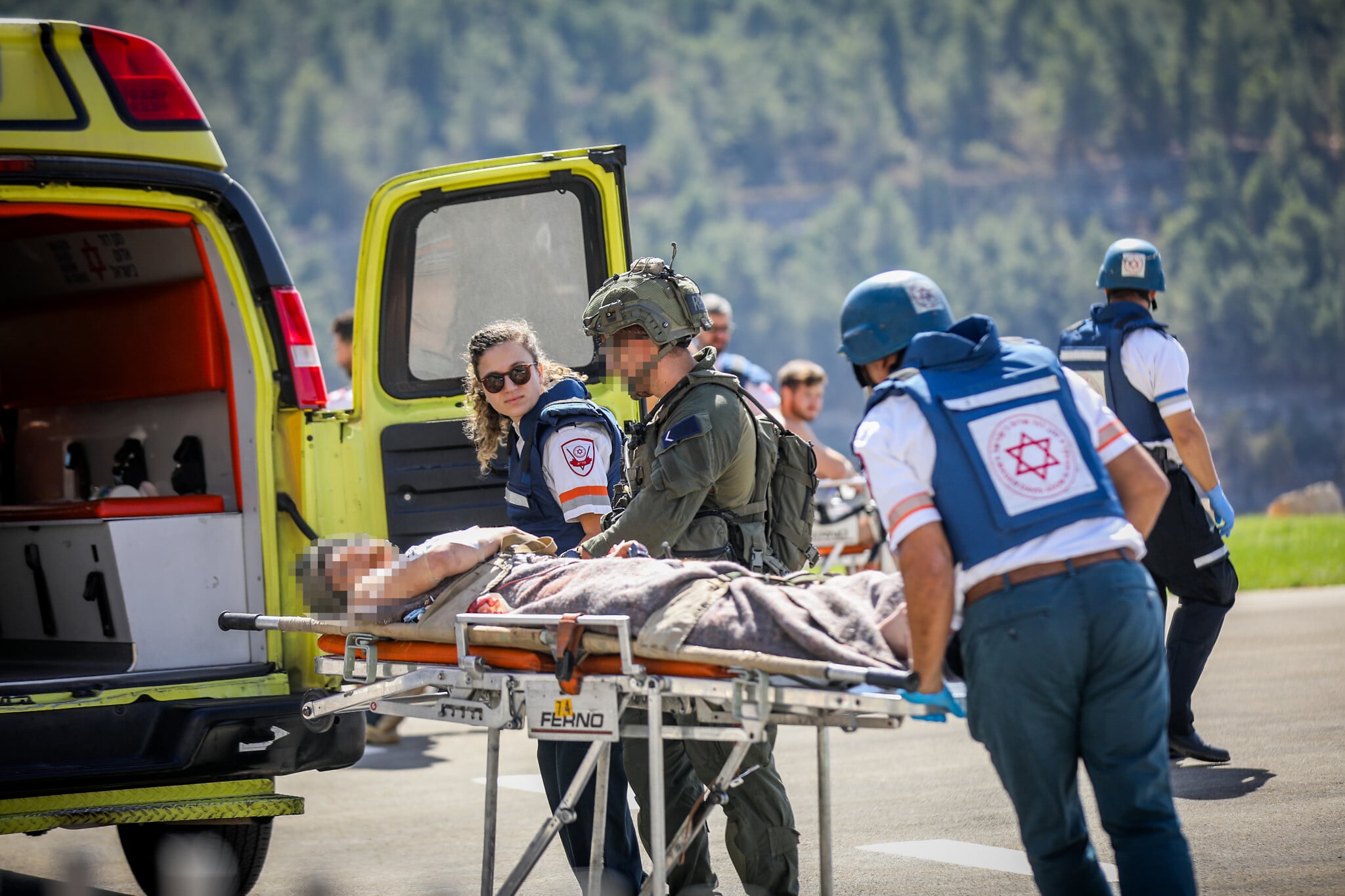
At Sheba Medical Center outside Tel Aviv, he found a number of soldiers he had previously trained who were critically injured in the fighting.
“One day they were elite fighters who could do anything they wanted,” Dovev said. “Then, they were in the hospital, and I was helping them drink cold coffee with a straw because they couldn’t move their hands. I was thinking, ‘How can I help them rehabilitate faster?’”
His solution would eventually become House of Heroes, a special type of gym where wounded combat veterans can learn various martial arts and train with other injured fighters, helping them rebuild their physical strength and mental resilience.
According to Valery Hazanov, a PhD who directs the Returning to Life Center for Victims of Mental Trauma in Jerusalem, getting on the mat can be particularly therapeutic for PTSD sufferers.
“Their identity as warriors, as fighters, can get lost,” said Hazanov. “They may have stopped taking care of their bodies and staying in shape. They feel powerless and helpless, and mixed martial arts can return that fire to them. They’re fighting again in a controlled, therapeutic setting, but they’re still fighting.”
House of Heroes is one of dozens of organizations that have stepped in to help the tens of thousands returning from war with physical or mental scars, filling gaps left by the limited resources provided by official institutions.
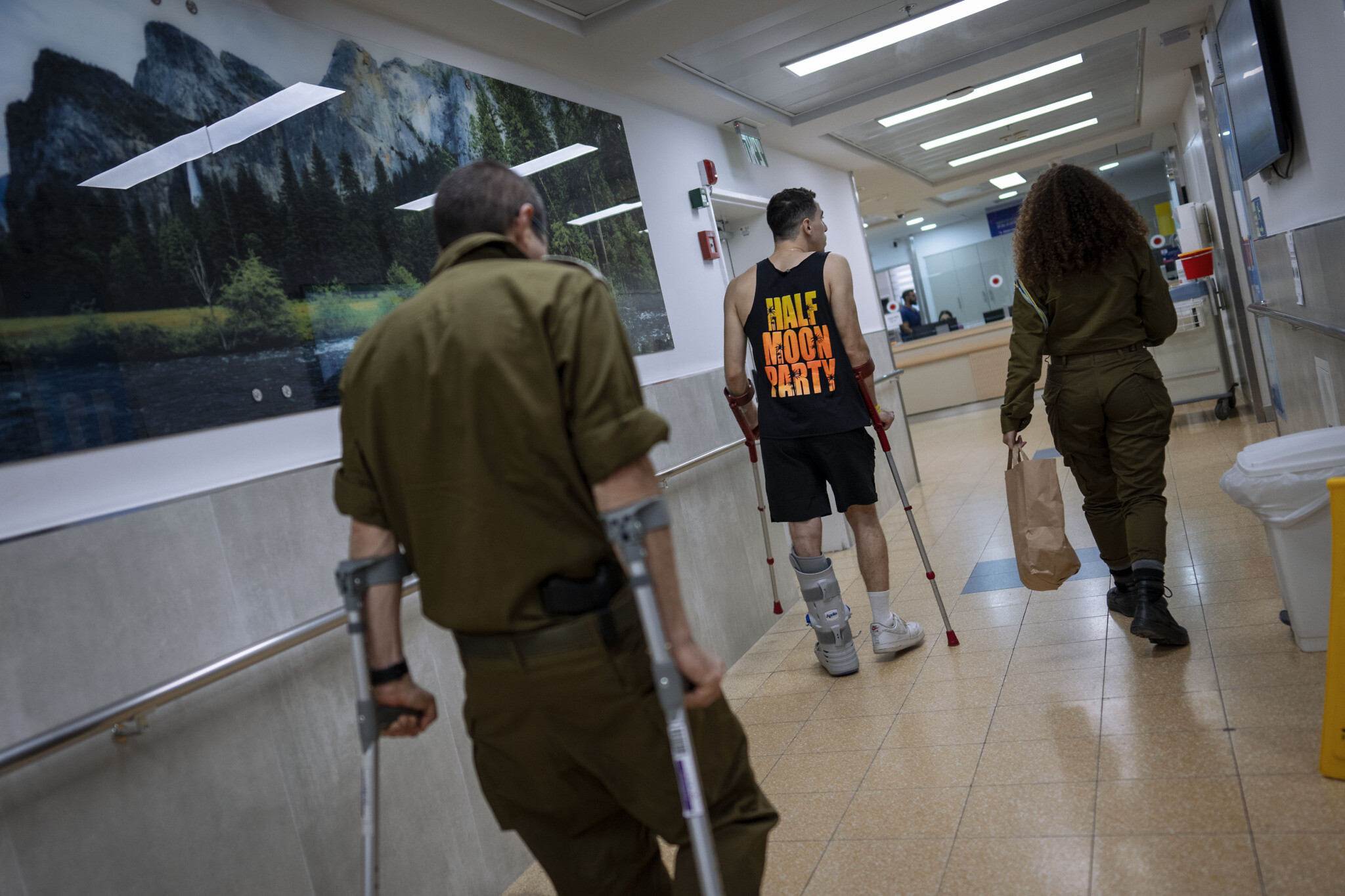
Approximately 26,200 troops have been wounded since fighting began three years ago, some 65 percent of whom suffer from mental distress or post-trauma, data from the Defense Ministry’s Rehabilitation Department shows.
The large number of veterans seeking treatment has stretched the existing rehabilitation system beyond capacity, leading the government to announce in July that it would institute a sweeping overhaul, adopting recommendations made by a public committee that called for a boosted budget and more individualized care, among other changes.
The Health Ministry, which has opened 14 new trauma clinics next to mental hospitals since October 7, states that its responsibility is only to provide standardized forms of care offered through hospitals and health maintenance organizations, leaving out alternative types of therapy that may fall outside the strictly medical field.
House of Heroes is one of at least 50 organizations established after October 7, 2023, to offer some form of therapeutic support, according to the Hebrew-language Guidestar database.
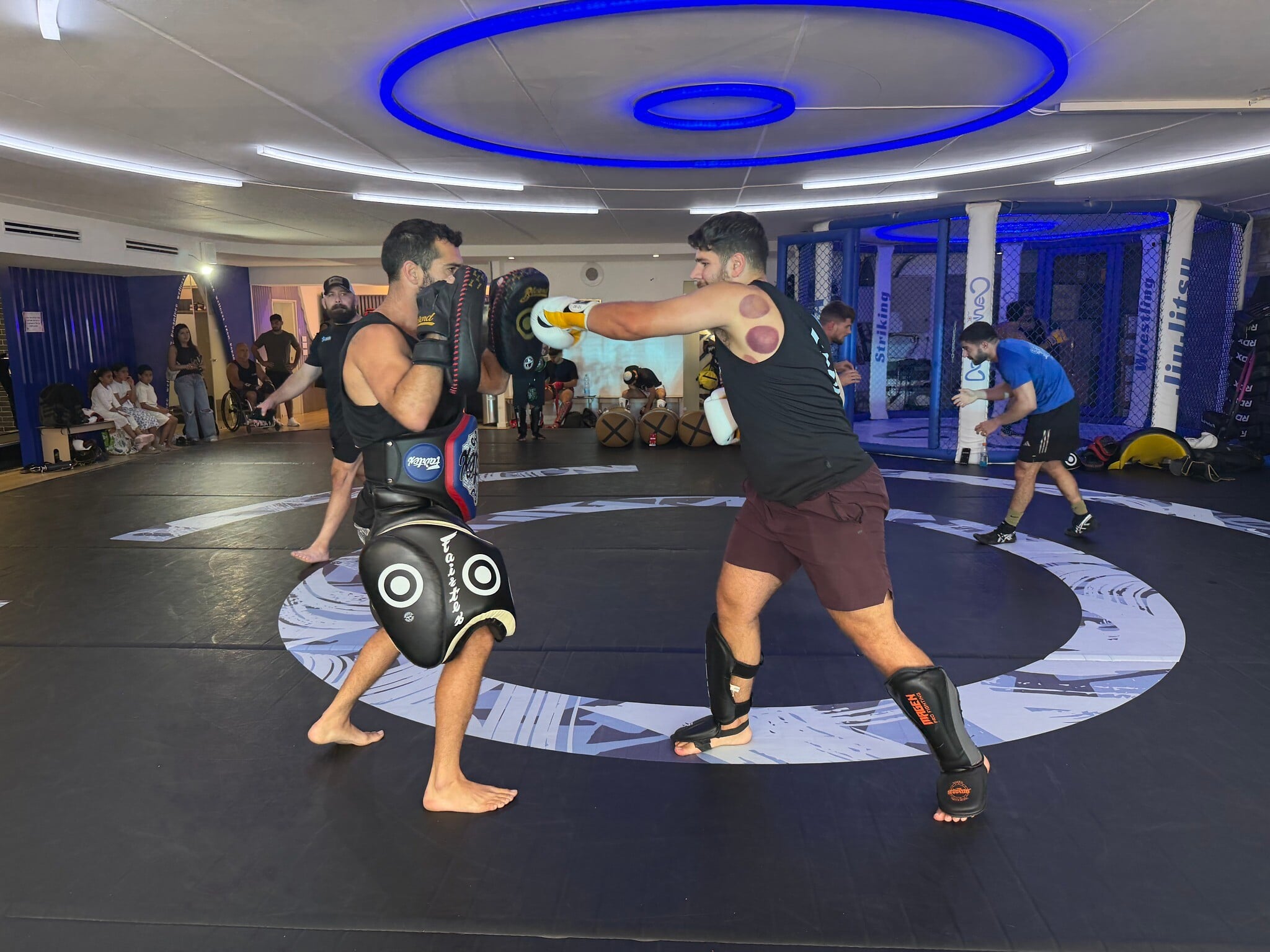
Dovev said his initiative started to get off the ground at the hospital, when he began volunteering to train soldiers he had previously instructed.
“Then everybody wanted to train, and I couldn’t say no,” he said. “I was training all day and all night. I was teaching them about being in tough, extreme situations, surviving, learning and coming out stronger for the next time. It came to me that I needed to open a center, House of Heroes, where I can do what I do best, which is to build resilience.”
“I want to make them feel like fighters again,” Dovev said.
Today, House of Heroes, which receives no government funding and relies on private donations, trains about 80 people each week. The goal is to establish a permanent center with capacity for 300-400 trainees.
Dovev said plans include a state-of-the-art facility that will be a “one-stop shop,” with ice baths, saunas, massages, emotional support and psychological counseling.
Gentle and tough interventions
“The House of Heroes is an inspiring place which offers great sensitivity towards injured soldiers, including those with PTSD,” Hazanov told The Times of Israel.
He explained that in recent decades, PTSD treatment has increasingly incorporated approaches such as mindfulness and yoga, “gentler interventions that are effective and important, that we also use.”
However, he believes that for combat veterans with PTSD, mixed martial arts is particularly valuable because it adds “another essential dimension” that can activate a “healthy fight response.”
Hazanov said that he does mixed martial arts training with his patients, “which gives them another layer of security and puts us all in the same boat.”
“Reclaiming that part of themselves can be an important element of recovery,” he said.
On a sunny afternoon at the House of Heroes recently, Yehonatan Maatuf, 23, a Golani combat veteran, arrived for practice wearing his prosthetic arm.
He unfastened it, put it in his gym bag, took off his shoes and stepped barefoot onto the mat.
Maatuf told The Times of Israel that he was severely wounded in his right hand in the Gaza Strip on April 11, 2025, the first night of Passover.
While he was being evacuated in a helicopter, he recalled asking if there was a chance to save his hand. Later, he understood that it had been amputated.
“It’s a miracle it was my right hand because I’m left-handed,” Maatuf said.
Maatuf, who said he dreams of teaching jiu-jitsu eventually, currently practices Thai boxing and other martial arts at House of Heroes once a week.
“The practice helps me,” he said. “It gives me something to look forward to. I see all the other wounded soldiers; I can train with them, and we can share our experiences. We all understand each other.”
There is a “camaraderie that comes with training with people who are going through similar experiences,” Hazanov said.
People with PTSD can feel panic in “the outside world randomly, when they walk around and hear a boom or a loud voice, or they’re in a large gathering of people,” Hazanov noted.
That same panic happens while doing mixed martial arts, he said. “You feel a slight panic when someone is about to punch you in the face or a big dude is lying on top of you. This allows patients to have self-initiated ‘panic attacks’ and try to overcome them in a controlled setting.”
In some ways, he said, mixed martial arts works “is a bit of an exposure therapy, and we love that aspect of the work.”
Dovev, an Israeli jiu-jitsu champion for 11 straight years and an amateur mixed martial arts fighter, said, “This teaches you how to get back from the lowest point, from extreme situations when somebody’s on top of you, punching and choking you, and you need to survive.”
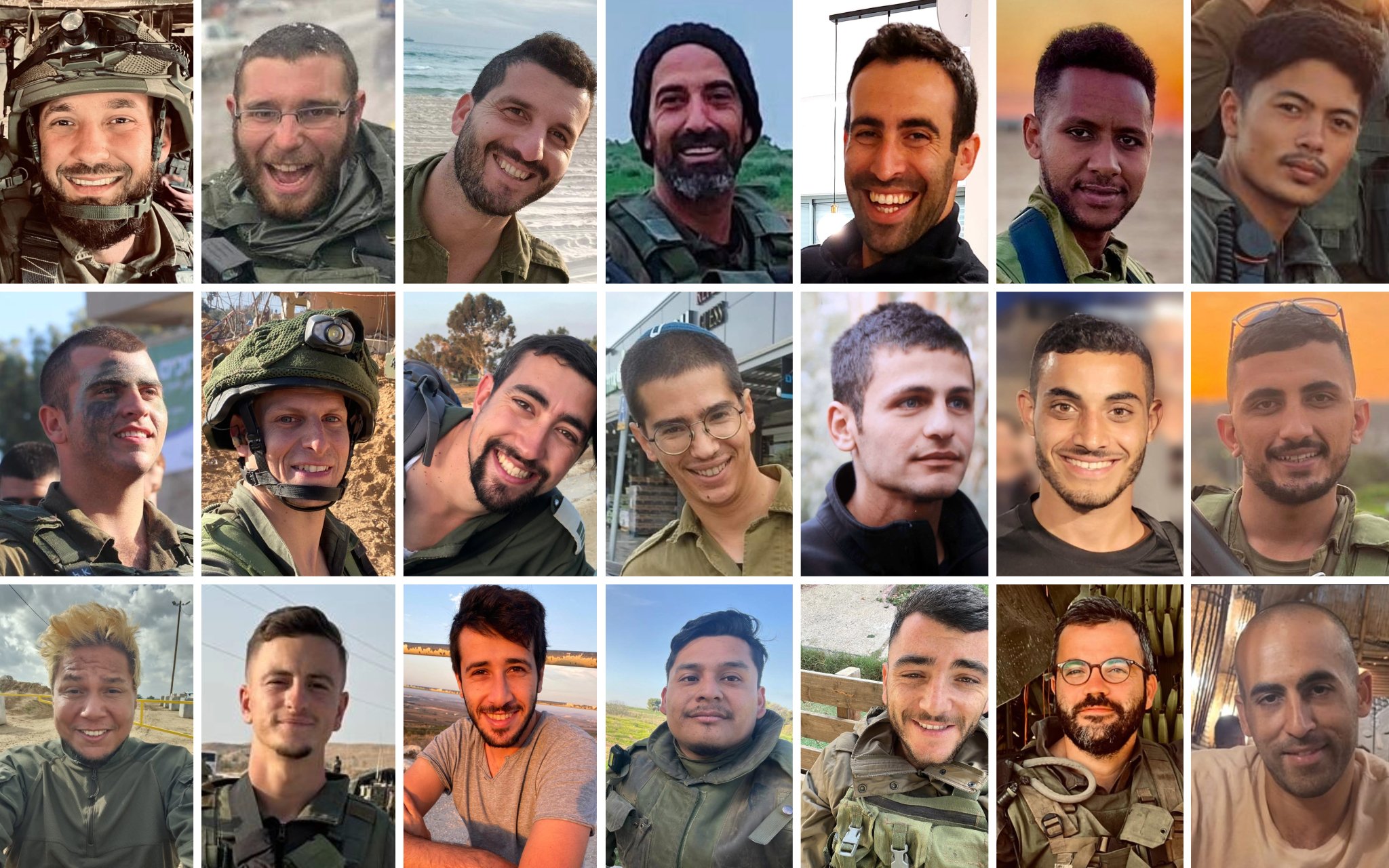
One of his students before the war had been Dor Almog, the lone survivor of one of the deadliest incidents in the war, when Hamas terrorists shot an RPG into two buildings being rigged for demolition in the southern Gaza Strip in January 2024, bringing down the structures and killing 21 soldiers inside.
Almog credited his training with Dovev for saving his life, Dor said.
Dovev recounted what Almog told him later.
“Dor said, ‘I was an amateur MMA fighter, and I trained with you a couple of times. I remember you were sitting on top of me, punching me, and you were choking me, and I felt like I was going to die. And this is how I felt when the buildings collapsed. It was all dark, and I couldn’t breathe. I needed that resilience, and I needed to act and fight and crawl towards the light. And that is what I did,” he said.
“This is where your martial arts experience comes in handy,” Dovev added. “Self-confidence, warrior spirit, resilience, fighting spirit, it’s all there.”
Women in combat
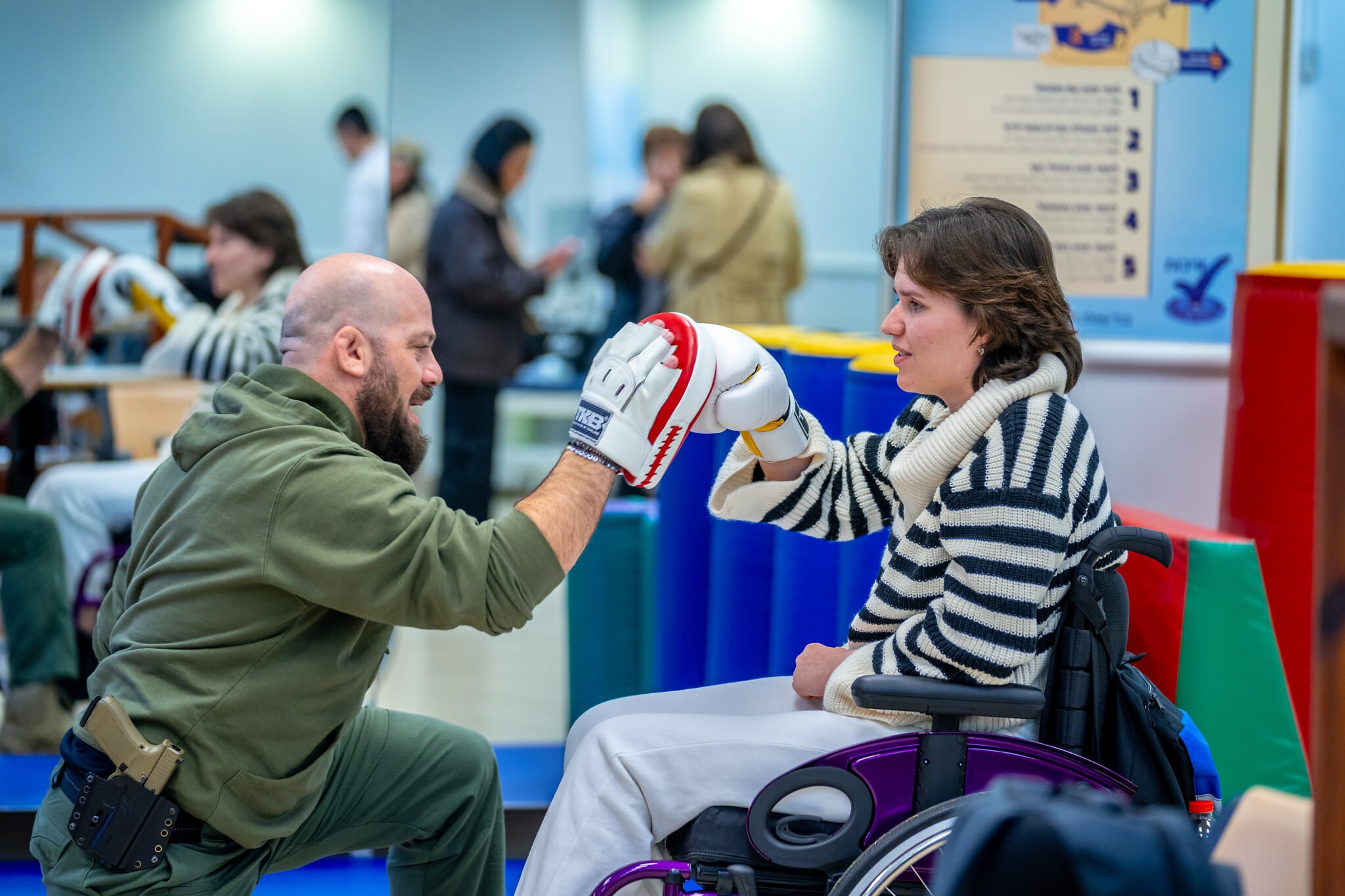
Though most wounded combat veterans are men, not all are, and women train at House of Heroes as well, Dovev said.
“I think that watching Jewish women fight and rehabilitate is maybe the strongest thing you can see because it’s real Jewish spirit,” he said.
One of those women is Michelle Rokbotzin, an IDF field intelligence systems technician stationed at the Kissufim army base near the Gaza border on October 7, 2023.
“Michelle was shot seven times,” Dovev said. “She lay bleeding for more than 14 hours, pronounced dead. She was paralyzed, in an induced coma for several months, and doctors thought she would never walk again.”
Speaking at a House of Heroes event in Florida in June, Rokbotzin told the audience that while she was in a coma, Dovev approached her boyfriend Rinat, telling him that once she woke up, he’d be “ready to start training me, no matter my condition.”
“Rinat said I’d probably be paralyzed, but Sagi just smiled and said, ‘Don’t worry, she’s a fighter,'” she relayed.
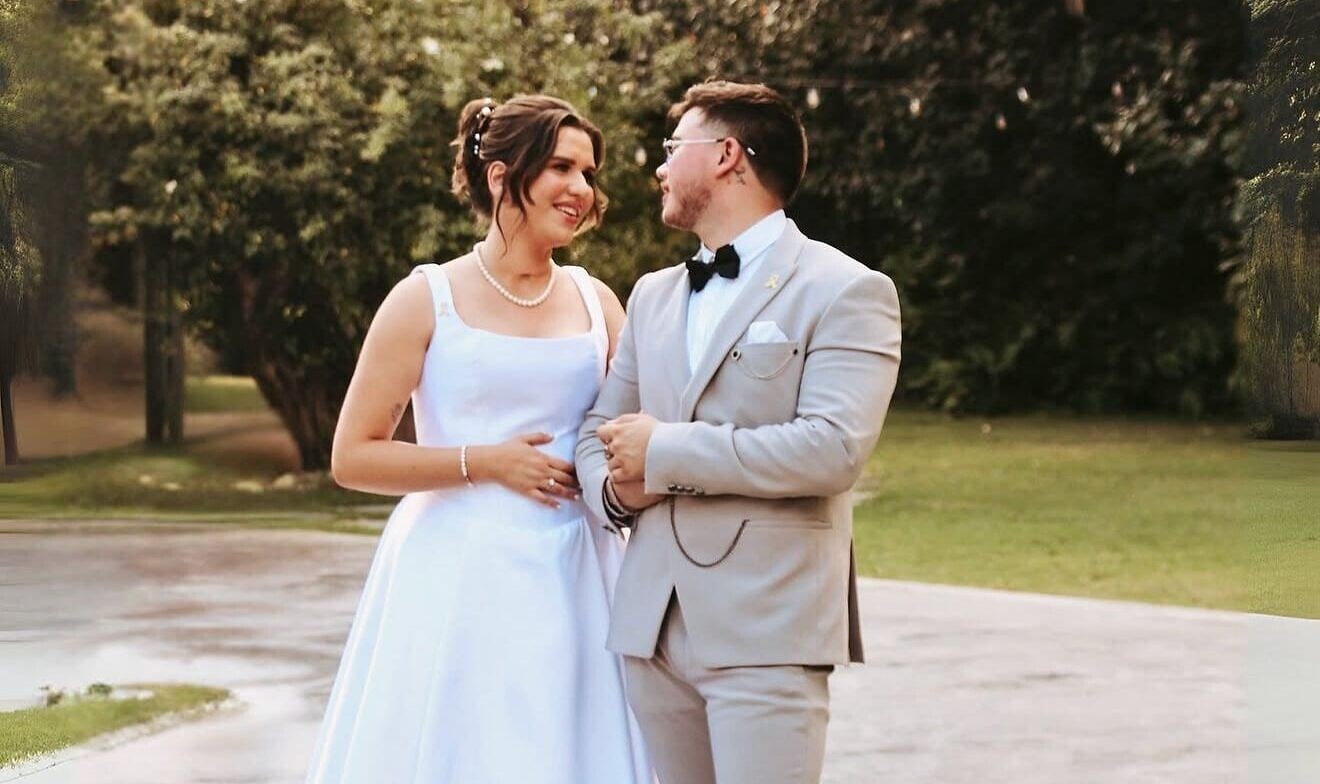
“Two years later,” Rokbotzin said, “I was actually walking to the chuppah at my wedding.”
“These are heroes who gave everything, sacrificed their bodies and their lives to protect Israel, the Jewish people, and the Western world,” Dovev said as he stood in a makeshift office that also serves as a massage room.
“I don’t even have a chair,” he said. “I carry the punching bags and the gloves on my back every day. I carry guys up here on the stairs because we don’t even have an elevator. We need a place with parking spots, with an elevator, with accessibility. We need a real House of Heroes.”



The Times of Israel Community.