

Amid echoes of war, these survivors will light Yom Hashoah torches in pre-recorded ceremony
Yad Vashem announces that the live broadcast of this year’s event, under the theme ‘The Jewish Family During the Holocaust,’ has been replaced by a taped program, without giving a reason
 Add ToI as a Preferred Source on Google
Zev Stub is the Times of Israel's Diaspora Affairs correspondent.
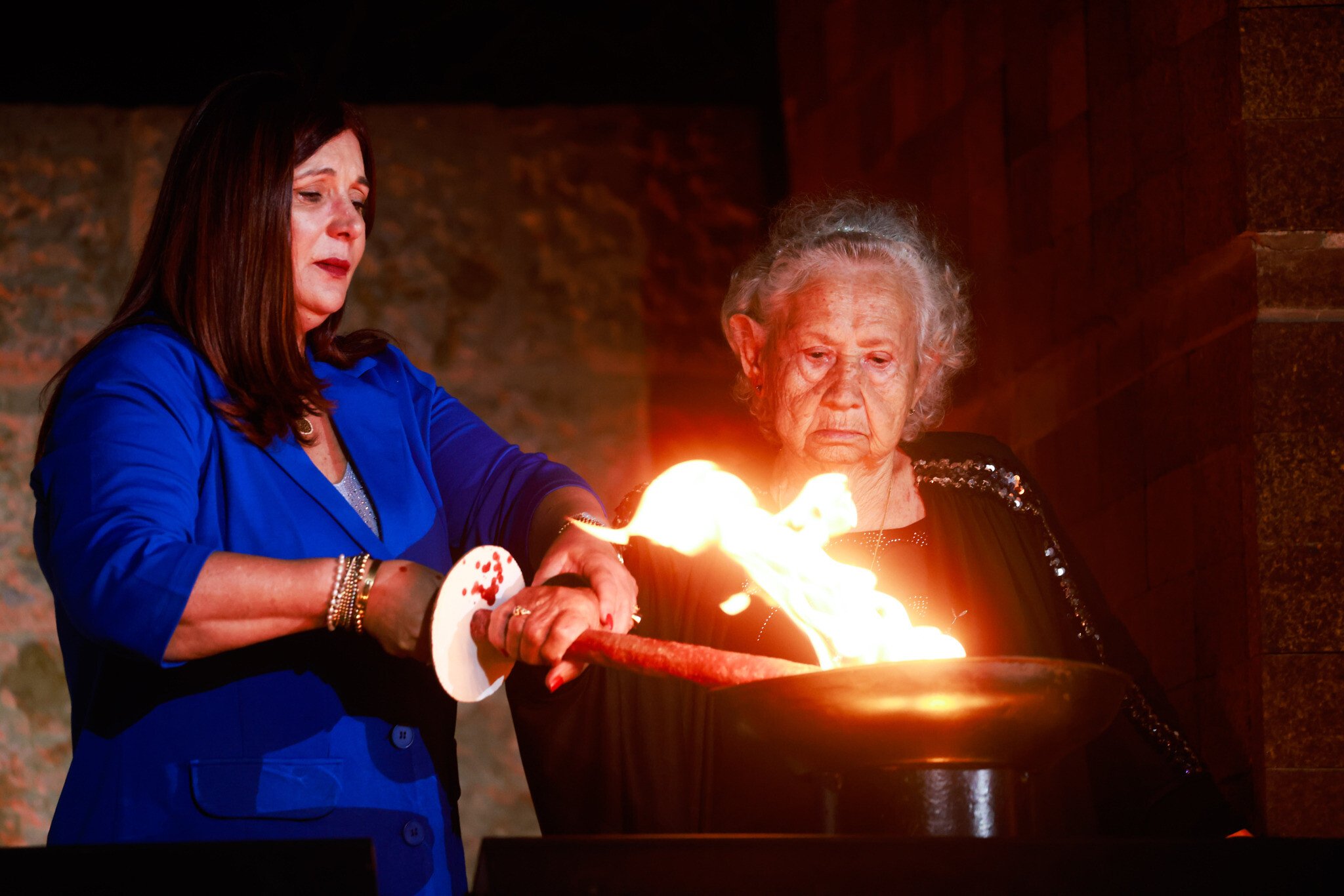
As Israel prepares to mark Holocaust Remembrance Day on Monday night and Tuesday, the country continues to feel the effects of conflict, with Yad Vashem announcing that the official state ceremony will be replaced with a pre-recorded broadcast.
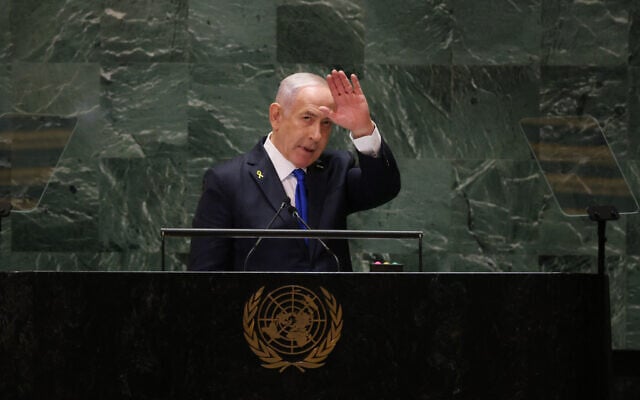
The program will air at the start of Holocaust Memorial Day, on Monday, April 13, at 8:00 p.m., with addresses by President Isaac Herzog and Prime Minister Benjamin Netanyahu. The memorial torch will be lit by former Ashkenazi chief rabbi Rabbi Israel Meir Lau, himself a Holocaust survivor and chairman of the Yad Vashem Council.
The central theme for this year’s state commemorations is “The Jewish Family During the Holocaust.”
Known in Hebrew as Yom HaShoah, the day is one of the most solemn days on Israel’s national calendar, marked on the 27th day of the Hebrew month of Nissan, when the Warsaw Ghetto Uprising began.
During the ceremony, six Holocaust survivors will light torches in commemoration of the 6 million Jewish victims of the Nazis, while two more will give a speech and recite the El Maleh Rahamim prayer. Short film portraits will introduce each person, capturing their personal testimonies of survival and resilience. These films will be available on the Yad Vashem website.
Saadia Bahat
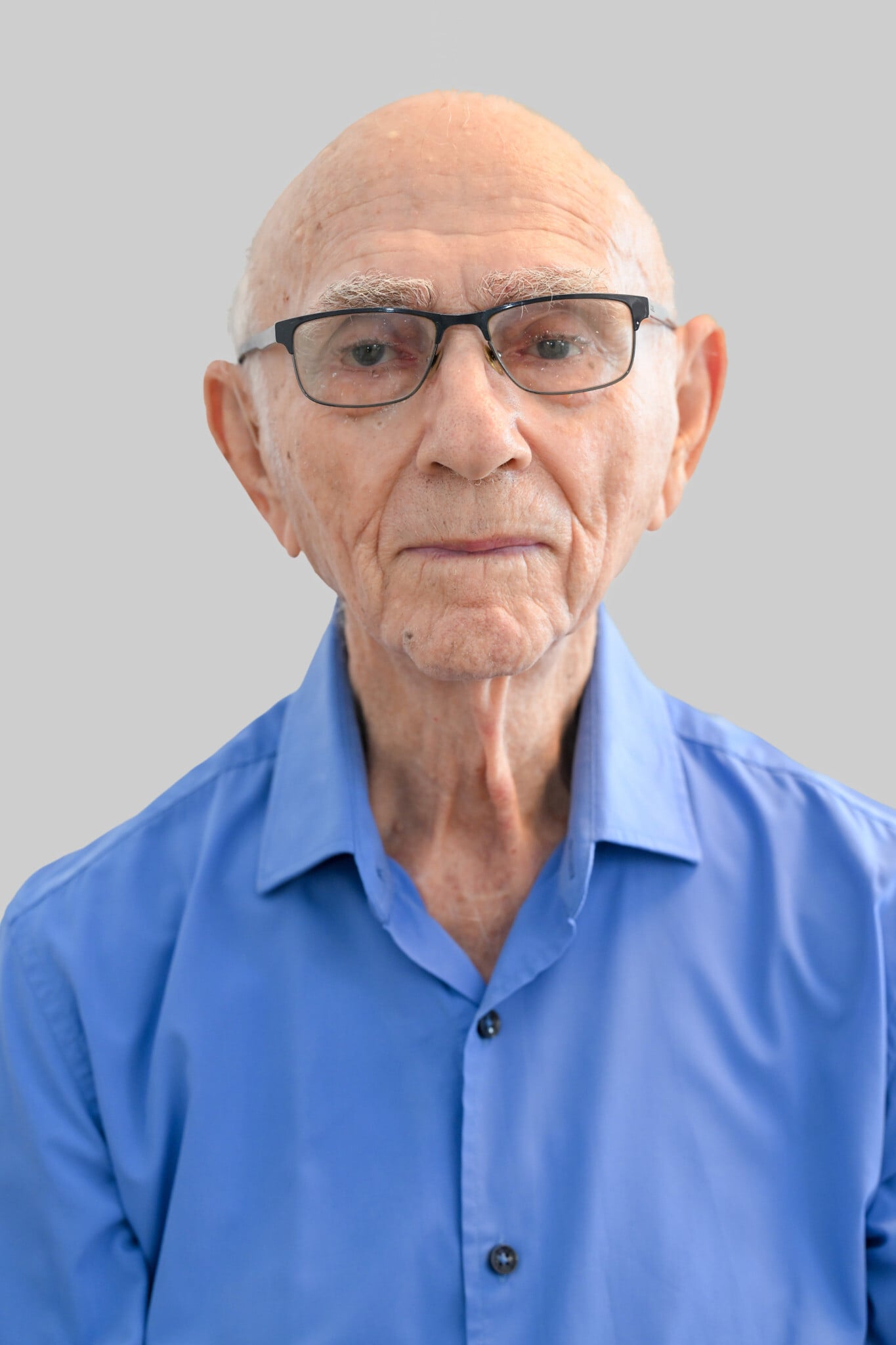
Saadia Bahat was born in 1928 in Alytus, Lithuania. After moving to Vilnius in 1939, his family was forced into the ghetto following the German invasion. His father was murdered in an Aktion. In 1943, Bahat volunteered for forced labor and was sent to camps in Estonia, where he endured starvation, freezing conditions, and brutal marches. When his shoes fell apart, he walked barefoot in the snow.
He survived repeated selections and was later transferred to Stutthof, where he was among a handful of children spared. Forced to work as a welder, he was eventually sent on a death march, fell ill with typhus, and was left behind — only to be liberated by Soviet forces.
After the war, he reached Mandatory Palestine, fought in the War of Independence, and built a career as an engineer at Rafael Advanced Defense Systems, later becoming an award-winning sculptor.
Michael Sidko
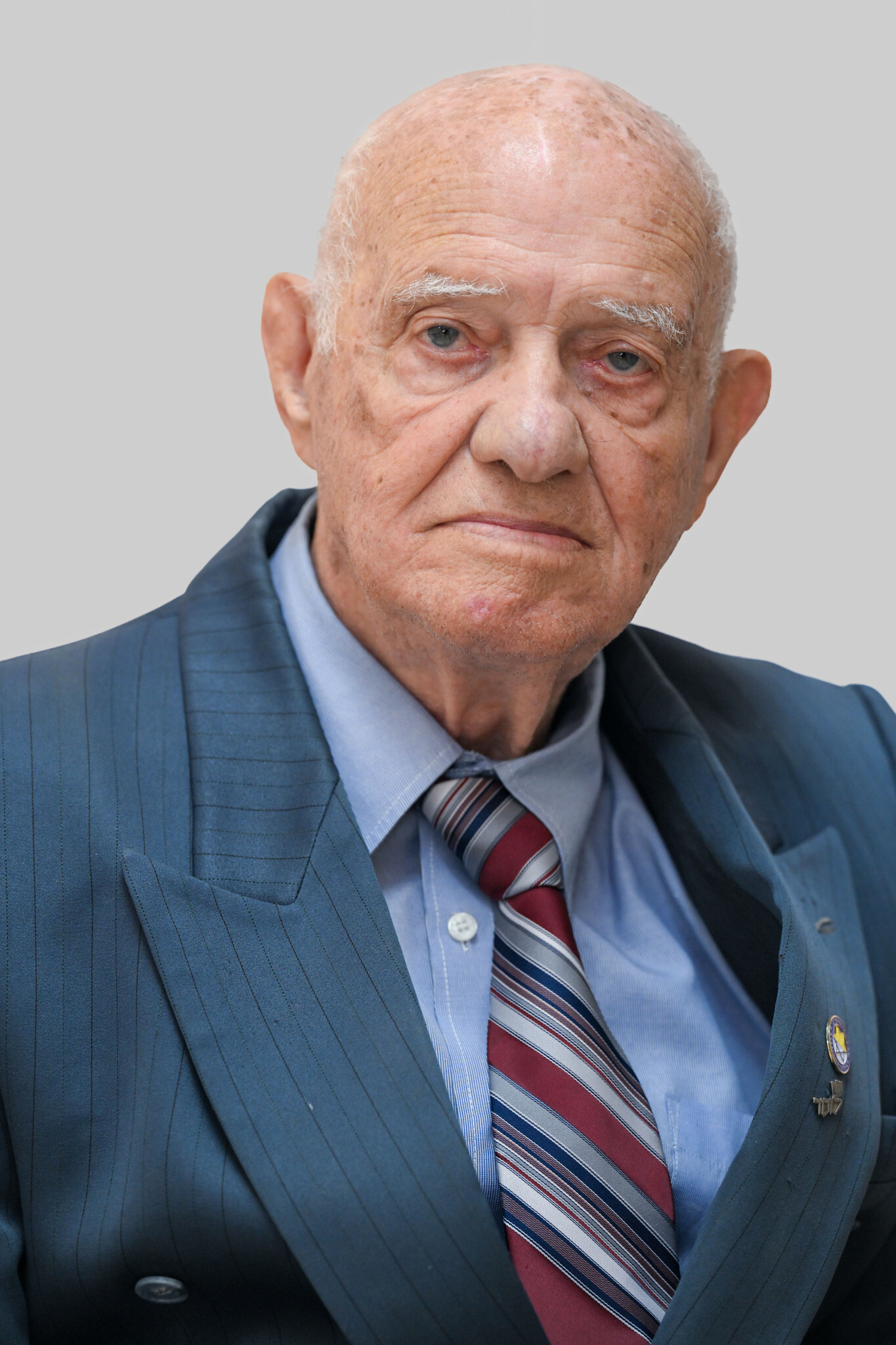
Michael Sidko was born in 1936 in Kyiv. When the Germans invaded in 1941, his family attempted to flee, but a last-minute decision to leave the train left the family stranded and separated from Sidko’s father. Soon after, they were arrested and taken to Babi Yar, where Sidko and his brother Grisha were separated from their mother and siblings and witnessed their murder.
The brothers escaped and survived by hiding, wandering, and relying on each other. Twice betrayed, they avoided capture by convincing authorities they were not Jewish. They were ultimately sheltered by a Ukrainian woman who claimed them as her sons and saved their lives.
After the war, Sidko reunited with his father, served in the Red Army, became an engineer, and immigrated to Israel in 2000.
Miriam Bar Lev
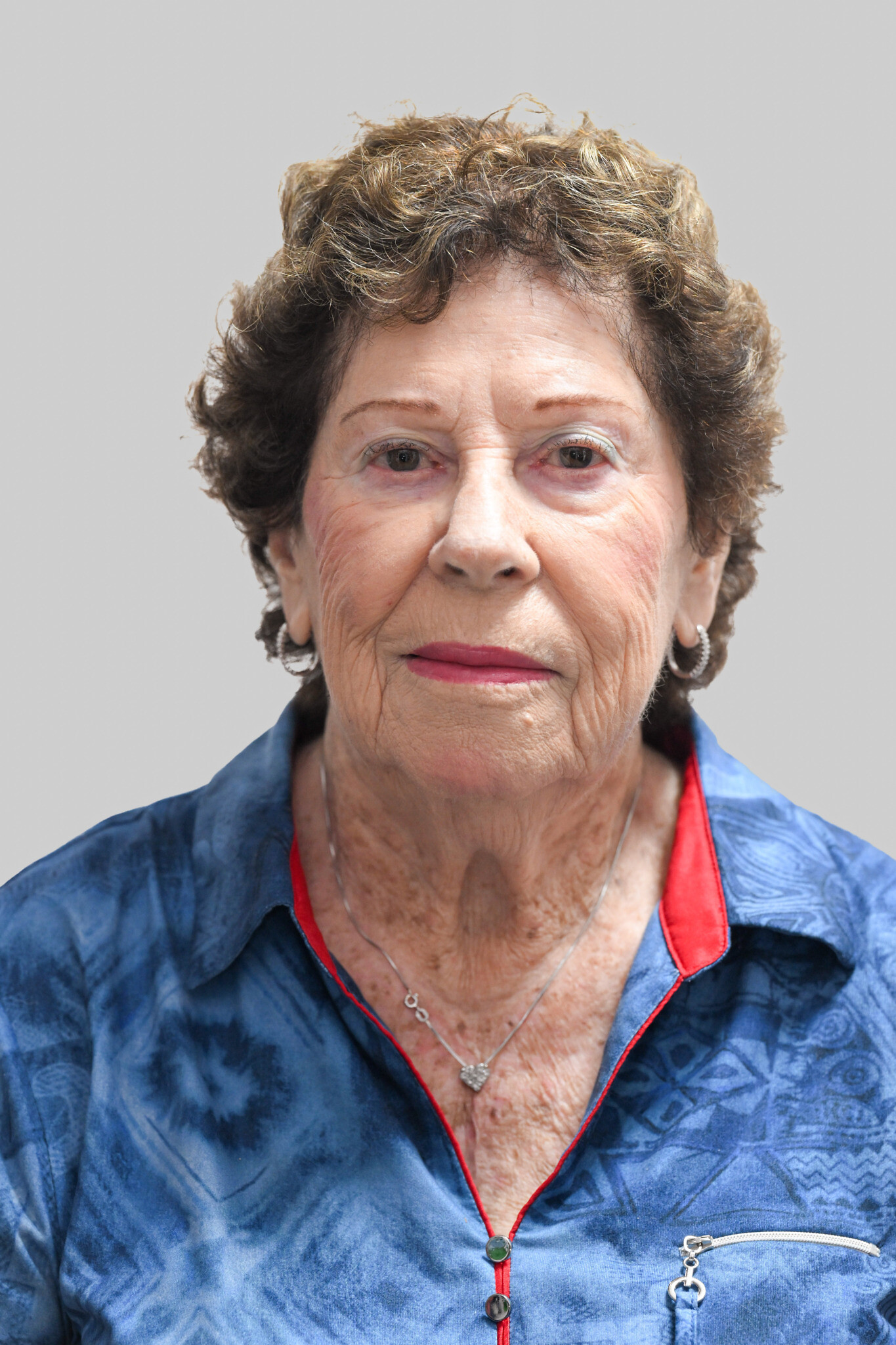
Miriam (Daisy) Bar Lev was born in 1936 in Tel Aviv but grew up in Amsterdam after her family relocated. Under Nazi occupation, she wore the yellow star identifying her as Jewish and witnessed deportations before her family was arrested and sent to Westerbork and then Bergen-Belsen. There, she and her mother were separated from her father, who later died.
They endured starvation, cold, and disease. In 1945, they were placed on the “Lost Train,” a two-week journey in cattle cars marked by bombardment and typhus, before being liberated by the Red Army.
After briefly returning to Amsterdam, they immigrated to Israel in 1946. Bar Lev settled on Kibbutz Ginegar, served in the IDF, and became a nurse, working for decades in healthcare and education while raising a family.
Moshe Harari
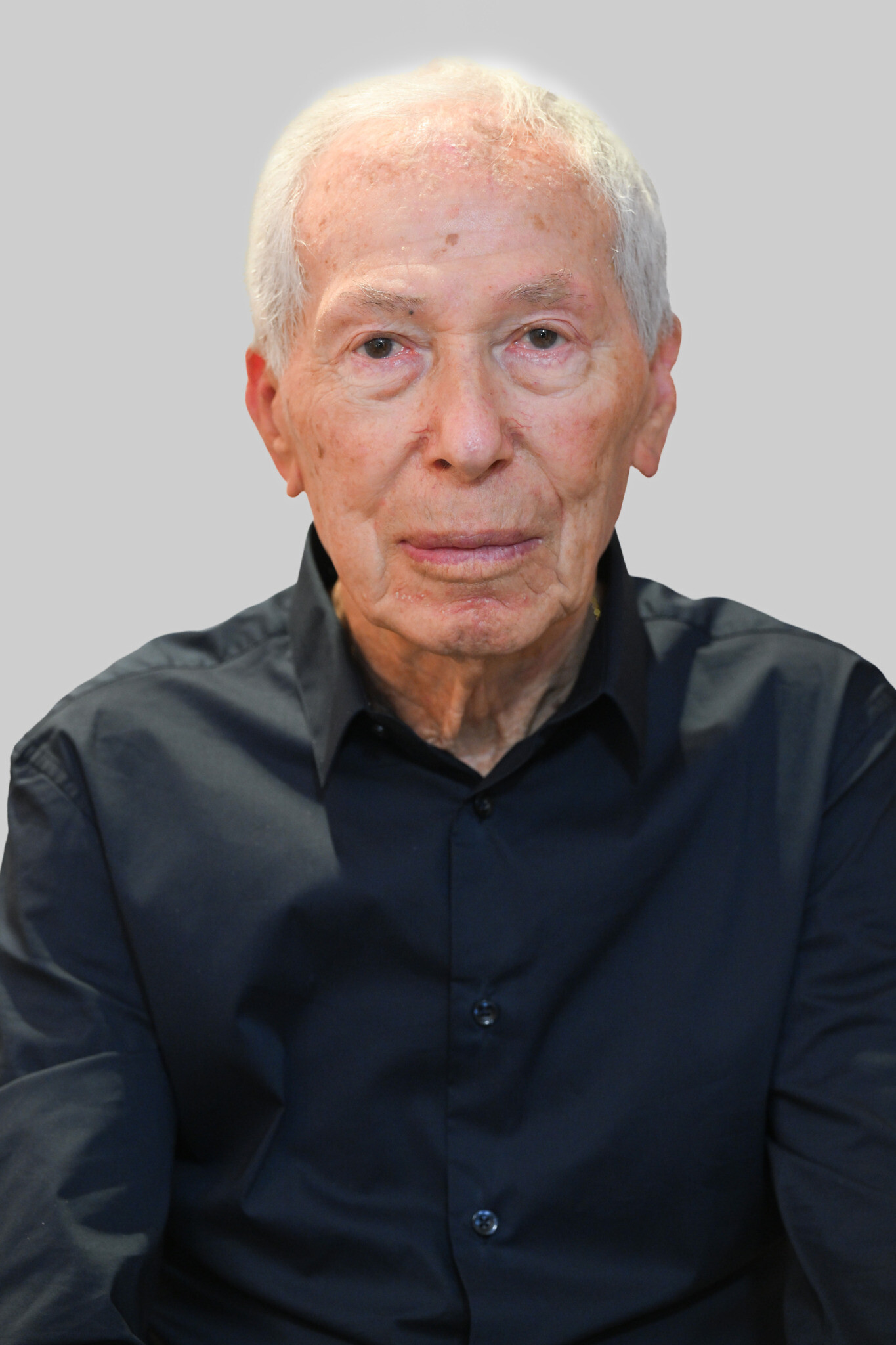
Moshe Harari was born in 1934 in rural Poland, the only Jewish child in his village. In 1941, his family was forced into the Mordy ghetto, escaping a year later during a roundup. They survived by hiding with a Polish farmer, living for months in an attic and later a cramped pit beneath a granary, sustained by meager food brought in secret.
After liberation in 1944, they returned home but faced violent antisemitism. Harari’s father disappeared, and the family survived shootings and attacks, including one in which they hid beneath floorboards as others were murdered.
They eventually reached a displaced persons camp in Germany and immigrated to Israel after detention in Cyprus. Harari later worked for decades in Israel’s military industry.
Ilana Fallach
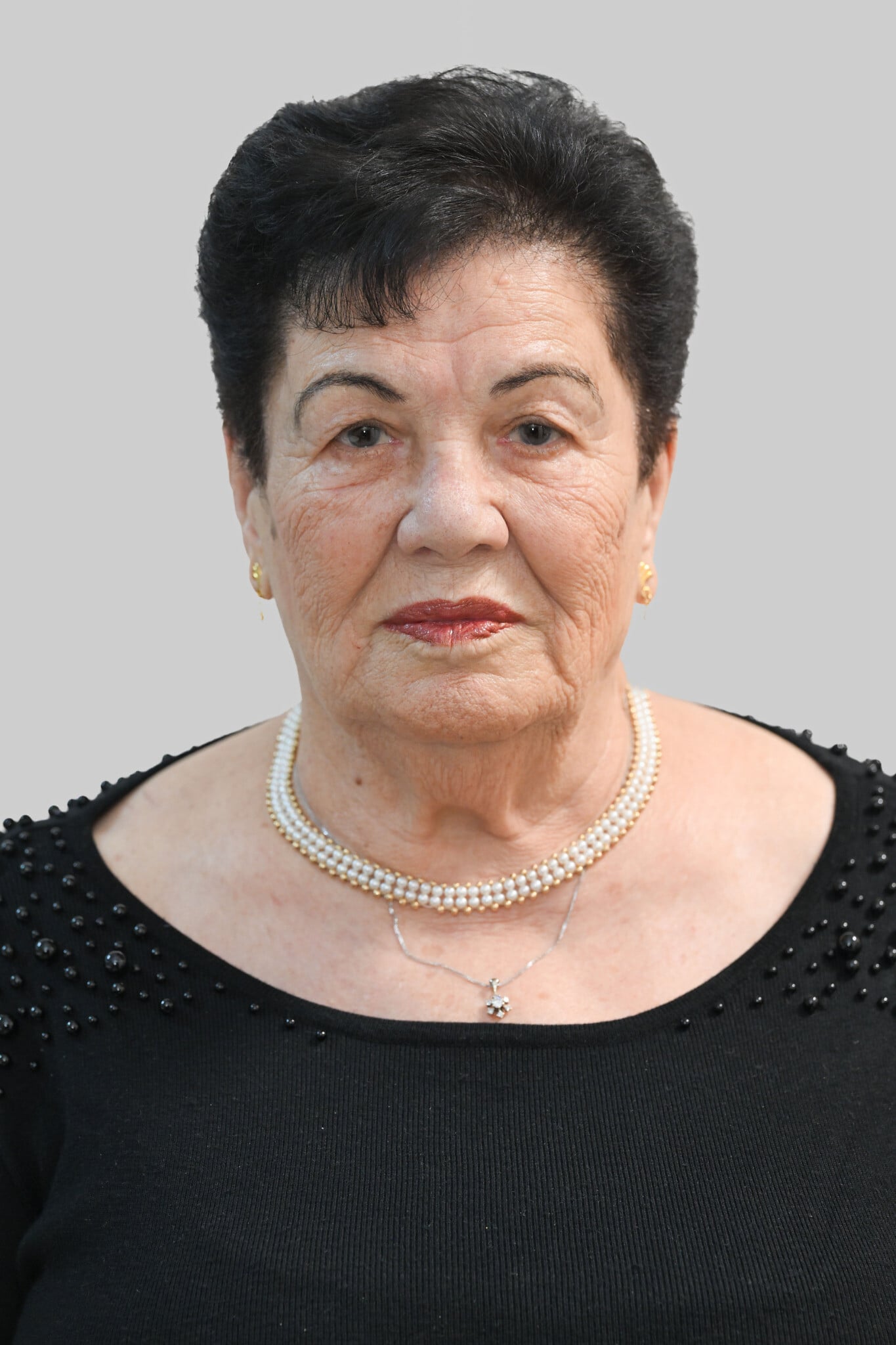
Ilana Fallach was born in 1937 in Benghazi, Libya. During World War II, British bombings and Italian persecution shattered her family’s life. In 1942, they were deported in harsh conditions to the Giado concentration camp; along the way, her sister died.
In the camp, hunger, disease, and overcrowding were rampant. Fallach was injured while trading jewelry for food, and another sister died of typhus. Liberated in 1943, the family returned to Benghazi but soon fled anti-Jewish riots.
They immigrated to Israel in 1949. Fallach worked from a young age to support her family, eventually opening a hair salon. She later dedicated herself to sharing the story of the Holocaust of Libyan Jewry.
Avigdor Neumann
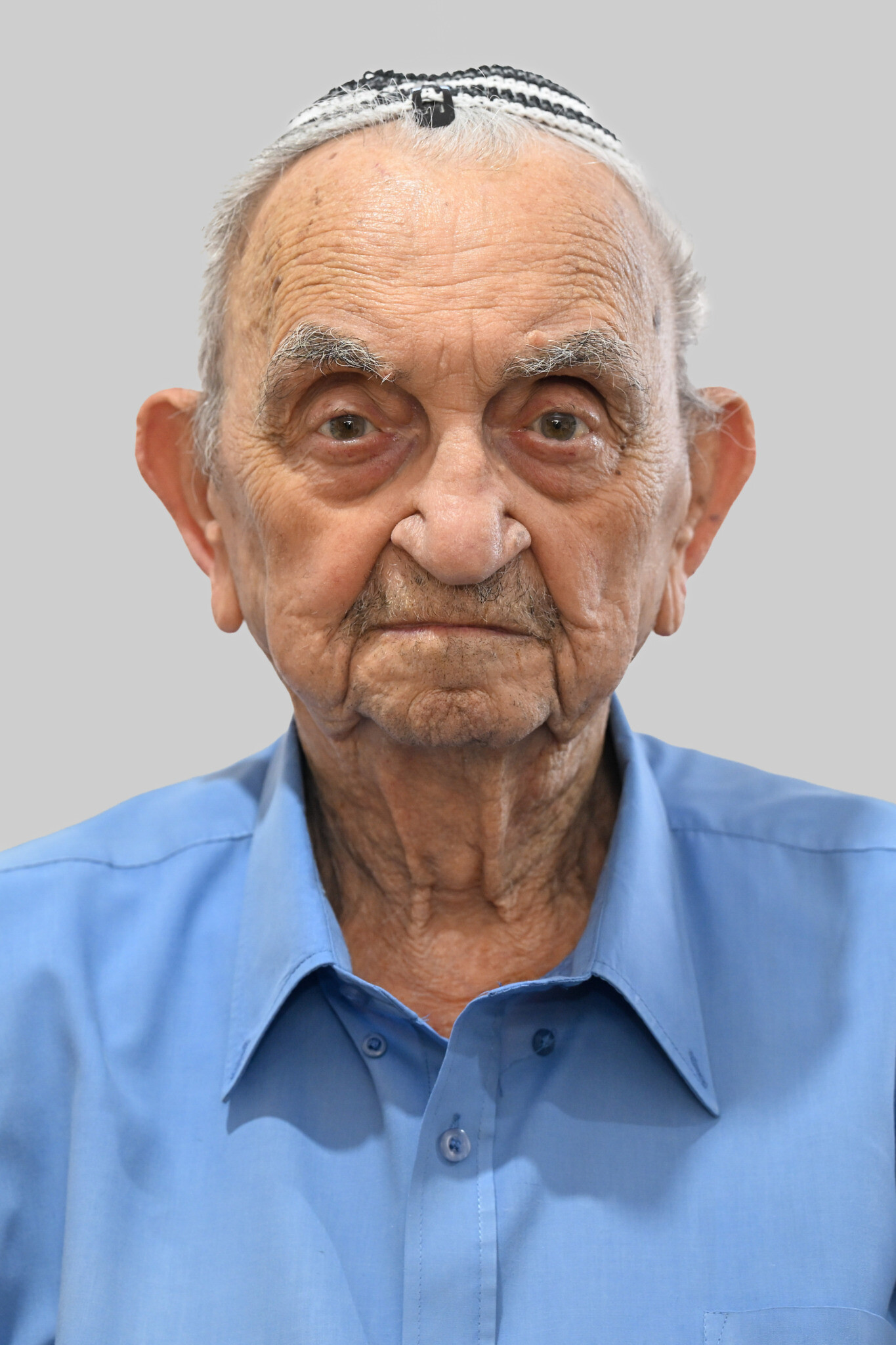
Avigdor Neumann was born in 1931 in Czechoslovakia to a Hasidic family. After the German occupation in 1944, his family was deported to Auschwitz, where he was separated from his mother and siblings, most of whom were murdered. By claiming to be older, he survived selection and was sent to forced labor.
Starved and brutalized, he scavenged for food and survived multiple selections and a death march to Mauthausen and Gunskirchen, where he was liberated in 1945.
After the war, he reunited with his sister, joined a Zionist youth movement, and immigrated to Mandatory Palestine after detention in Cyprus. He fought in Israel’s wars and later devoted himself to Holocaust education, supporting survivors and sharing his story.
Haviva Burst
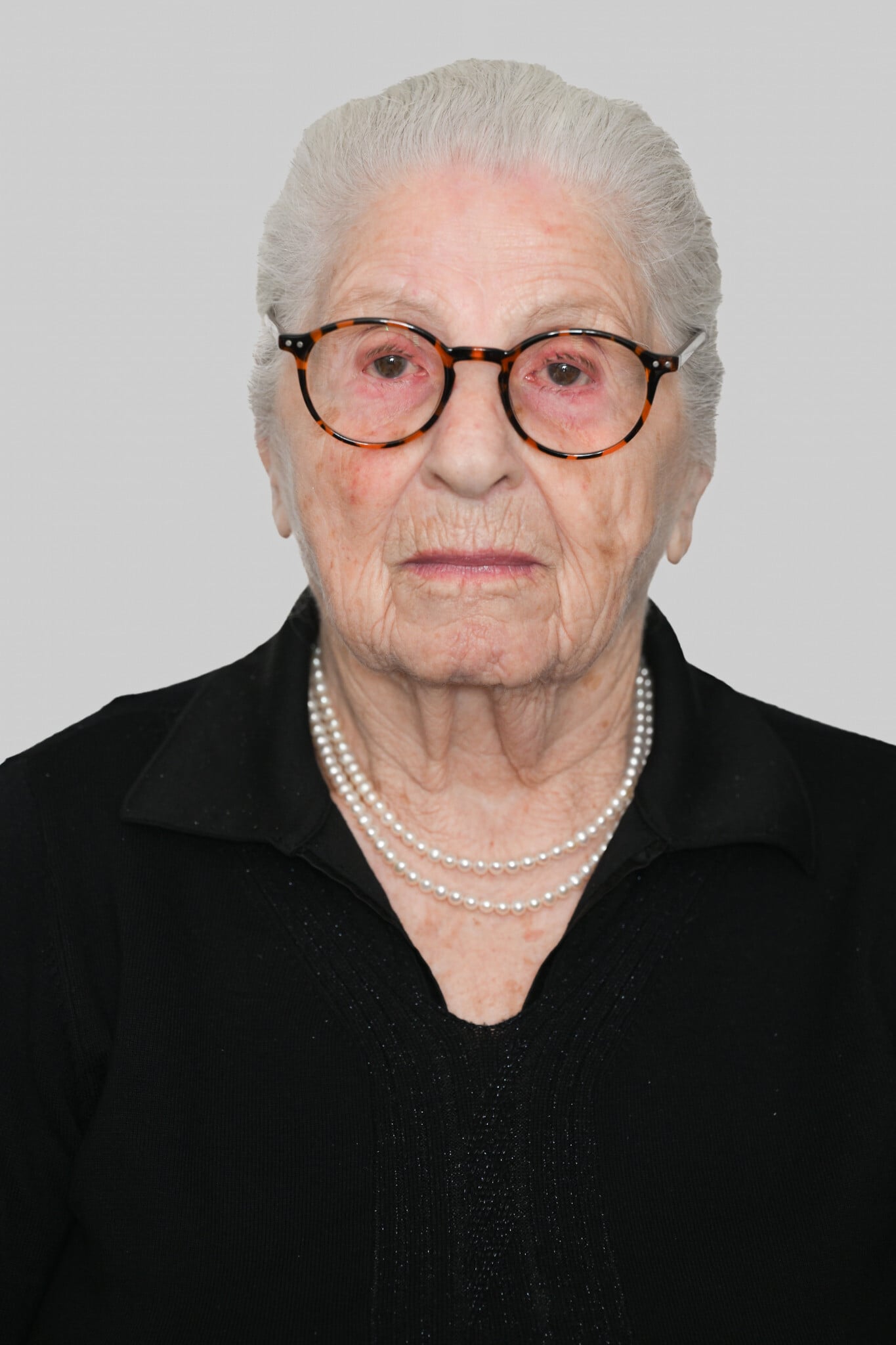
Survivors’ remarks will be made by Haviva Burst.
Burst was born Luba-Chaya Hochlerer in 1930 in Wojsławice, Poland. After the German invasion, her mother and three brothers went into hiding and disappeared. Burst remained with her father, who hid her in forests and with Christian families, moving her frequently to avoid detection. In one hiding place, she lived behind a wardrobe, barely able to move.
Before joining the partisans, her father left her in hiding — a decision that ultimately saved her life. He was later murdered. When the money for her concealment ran out, Burst fled and survived alone, wandering forests, sleeping in barns, and scavenging for food, often barefoot and covered in lice.
After revealing her identity to a stranger, she was unexpectedly taken in and protected. Following the war, she joined a group of child survivors, reached Italy, and immigrated to Israel after detention in Cyprus. She later helped found Kibbutz Tze’elim.
Menachem Neeman
The El Maleh Rahamim prayer will be recited by Menachem Neeman.
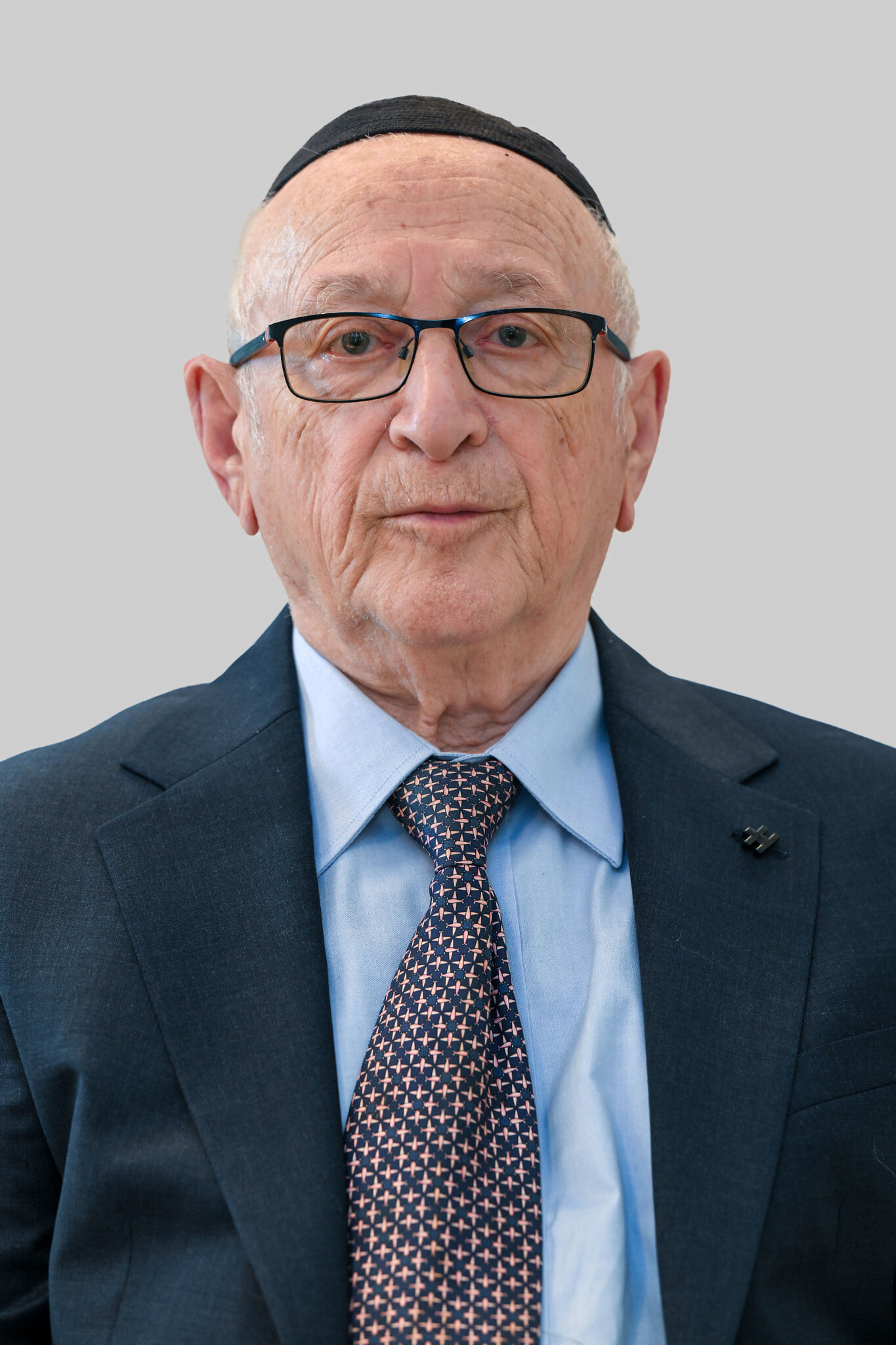
Neeman was born in 1938 in Breaza and raised in Câmpulung Moldovenesc, Romania, the youngest of five children. In 1940, his family was deported to Transnistria, first to Atachi and then to the Shargorod ghetto. They lived in extreme overcrowding, hunger, and disease, sharing cramped huts with many others. Typhus spread rapidly, and death was constant — Neeman recalled carts arriving daily to collect bodies. His father, a ritual slaughterer, was sent to forced labor and beaten for smuggling food, while his siblings begged farmers for scraps. Despite the conditions, the family tried to maintain Jewish traditions, even improvising holiday foods.
Liberated by the Red Army in 1944, they later immigrated to Israel in 1949. Menachem went on to a distinguished legal career, serving as vice-president of the Haifa District Court and lecturing in family law. A talented singer, he also performed and recorded cantorial music, building a large family in Israel.


The Times of Israel Community.