

‘Because of Ben Gvir’: Freed hostage Segev Kalfon details vengeful torture in Gaza
Held by Hamas for 2 years, former captive recalls beatings, starvation, psychological torment; other ex-hostages have also linked abuse to actions of far-right minister
 Add ToI as a Preferred Source on Google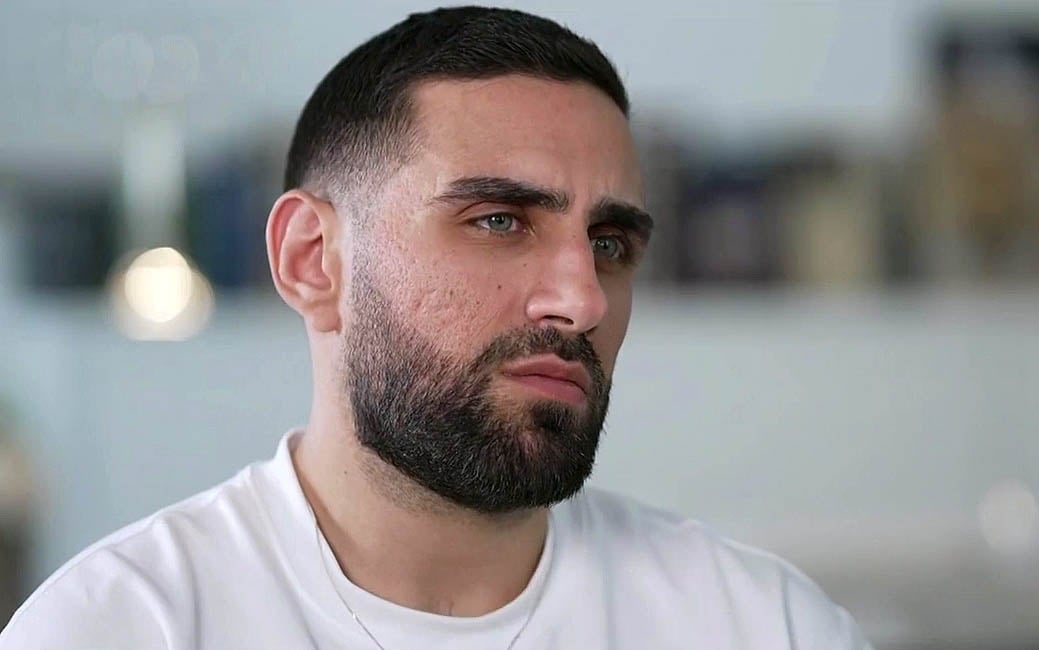
Freed hostage Segev Kalfon, who was kidnapped from the Nova festival on October 7, said his Hamas captors told him they intensified their beatings against him and other hostages because of inflammatory comments made by far-right Israeli National Security Minister Itamar Ben Gvir, describing a brutal routine of violence and starvation during his two years in captivity.
In a Channel 12 interview aired Saturday, following his release under the October ceasefire deal, Kalfon said, “Whatever Ben Gvir said or did, they’d take it out on us.”
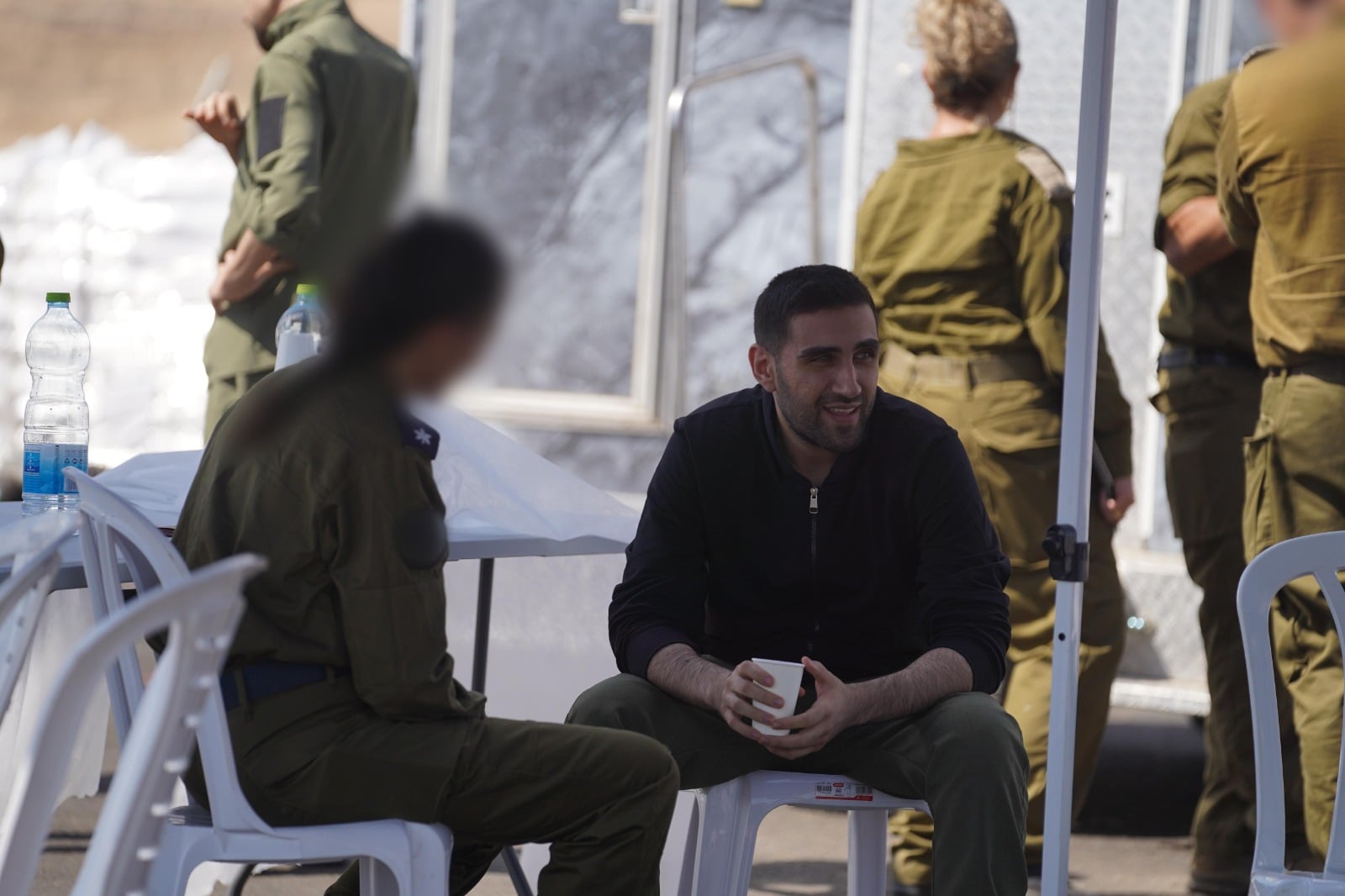
In a separate interview aired Saturday on Ynet, Kalfon recounted that around the 270th day of the war, the hostages’ daily torment worsened dramatically. “The terrorists who came every day to beat us increased the violence,” he said. “Because of Ben Gvir,” they told him.
According to the Channel 12 interview, the worsened conditions began when Kalfon — along with fellow hostages Yosef-Haim Ohana and Maxim Herkin, who had been held together — was moved from a private home to a tunnel. There they joined hostages Bar Kuperstein, Ohad Ben Ami, and Elkana Bohbot.
“That’s where the abuse began — I’d even call it torture,” Segev recalled. “They would beat us with all [their] force, they would put rings on [their fingers] in order to leave marks. There was hemorrhaging on my neck and back.”
He said the captors also deliberately starved them, even before the beatings escalated.
“They starved us,” Kalfon said. “I would see what they ate: a bowl of cheese, a bowl of fava beans, a package of saj — saj is like a thin pita. And they’d eat a lot. We got one saj. The hunger starts eating your body. In the morning, he’d come and bring us a tomato — that was breakfast. He’d cut it into four pieces; he’d eat one slice and divide the other three among us.”
Halfon also described a harrowing incident that aligned with an account given by freed hostage Ben Ami.
“One day, I see a new guy, angry,” Kalfon recalled. “He turns on Al Jazeera and says, ‘You see this? Your army killed three of our civilians. We in Hamas decided to kill three hostages. You choose which of you will be executed.’”
Kalfon said the Hamas guard then cocked his weapon and aimed it at them.
“We’re terrified, frozen, don’t know what to do,” Kalfon said. “I already see the bullet about to fire. Then he says, ‘Okay, I see you’re not choosing now.’ They sat us three across from three, staring into each other’s eyes, realizing that three of us won’t live. We came here six — only three will leave alive.”
Kalfon recalled that the terrorist spent hours tormenting them, repeatedly rearranging which men he marked as wounded and which he marked for execution — a cruel exercise that kept them terrified and uncertain who would survive.
He told Channel 12 that at one point, the ordeal hardened his resolve against Hamas.
“I told myself that to end this phenomenon called Hamas, I had to sacrifice myself for the country,” Kalfon said. “I wanted the war to continue, to finish them off. Even if it cost me my life. Such evil has to be destroyed, even if I give my life.”
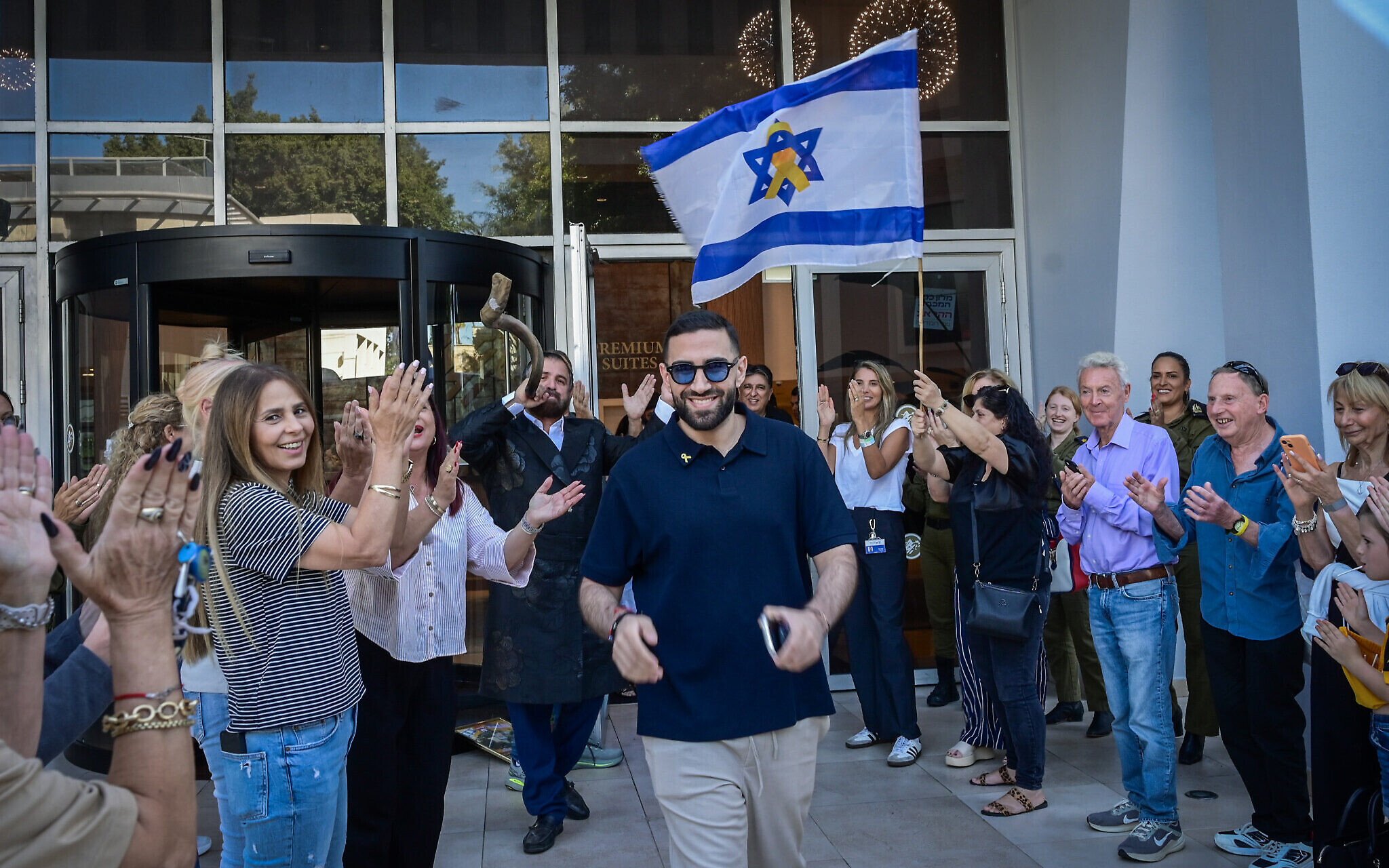
But as time passed and news of potential negotiations emerged, his mindset shifted.
“Then came another period — a time of talks, when suddenly there’s a bit of light at the end of the tunnel, a bit of hope — and your thoughts change,” he said. “You say, no, I want to go home. They’re waiting for me. I have a family.”
Kalfon’s account is the latest in a growing number of testimonies from freed hostages who say they were beaten, tortured, or starved ostensibly in direct response to public statements by Ben Gvir, who has repeatedly boasted about worsening prison conditions for Palestinian prisoners.
Just days earlier, Herkin told Channel 12’s investigative program “Uvda” that his Hamas captors beat him and then wrote “A tooth for a tooth, an eye for an eye” on his back as a message to Ben Gvir. Herkin said the photo of the inscription was sent to Israel, adding: “It was sending regards to a certain person, and he received it.”

His captors, Herkin recalled, said, in Arabic, “Ashan Ben Gvir.”
“As in, because of Ben Gvir. Everything is because of Ben Gvir,” said Herkin. “This is what Ben Gvir does, this is what we’ll do. And they took revenge on us.”
Similarly, Kuperstein said in an interview aired by the Kan public broadcaster that he was beaten so severely that he couldn’t walk for a month. He said the abuse was an “eye for an eye” retaliation for Ben Gvir’s treatment of Palestinian security prisoners in Israeli jails.
“How did you let them abuse us?” Kuperstein asked in the interview. “You’re a government minister… you’re supposed to care for us. Why aren’t you caring for us?”
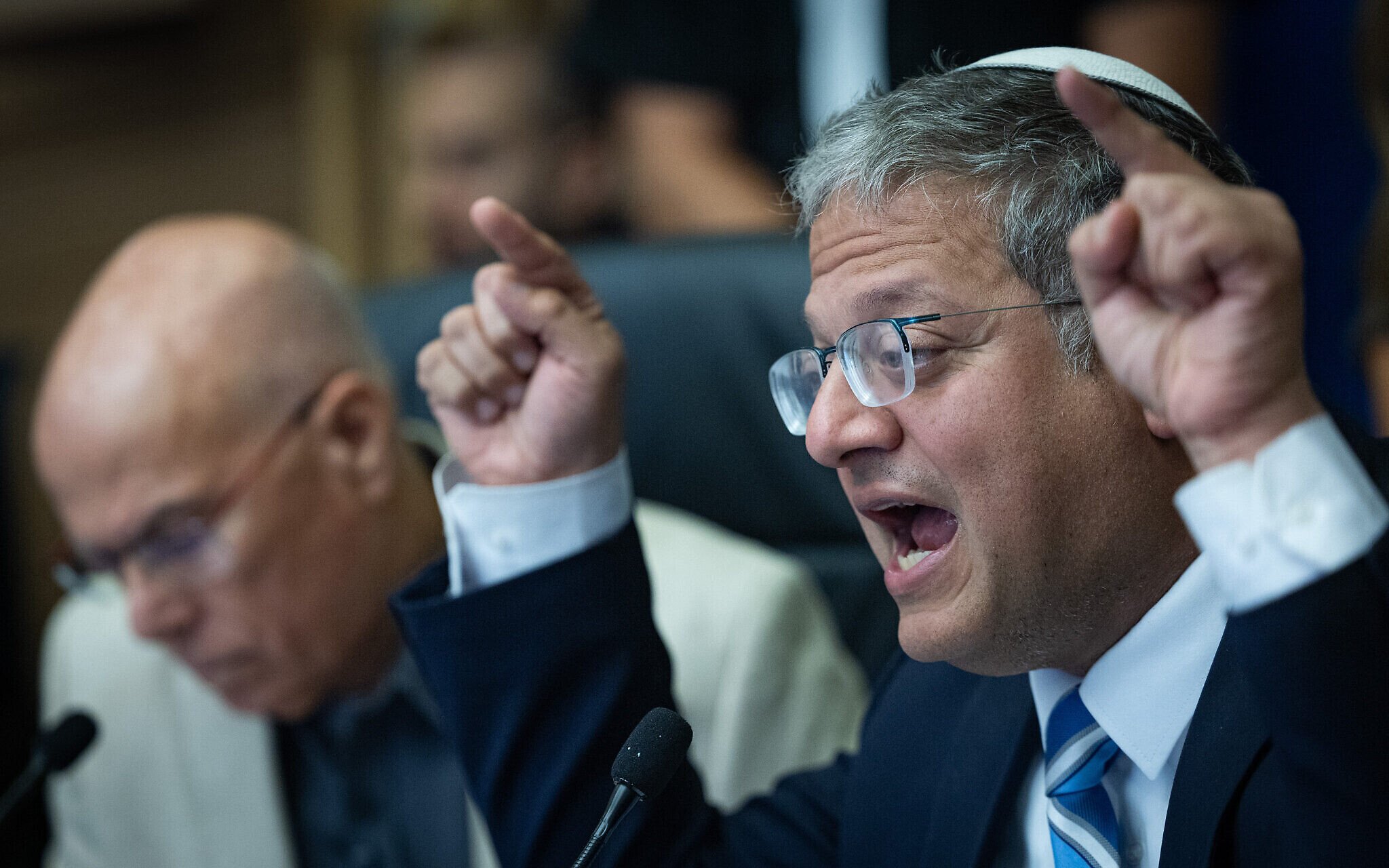
Ben Gvir, who has consistently opposed ceasefire and hostage release deals, has accused the Israeli media of “adopting Hamas’s narrative” and said that such reports served to help the terror group.
Once again, Israel’s far-right National Security Minister Ben Gvir speaks about the Palestinian abductees and openly incites against them while they stand bound before him, saying: “Do you see them? This is how they are now — but one thing remains to be done, and that is to… pic.twitter.com/k9ylK5Fkvk
— غزة 24 | التغطية مستمرة (@Gaza24Live) October 31, 2025
Responding to Herkin’s interview last week, Ben Gvir dismissed the accounts as “part of a campaign in the service of Hamas that is intended to improve prison conditions for the terrorists.”
On Friday, the far-right minister posted a video of himself standing over a row of Palestinian prisoners lying face down with their hands tied, while calling for the “death penalty for terrorists.”
“These guys, the Nukhba [elite Hamas force] who came to kill children, women, our babies. Look at them today,” Ben Gvir said in the clip, filmed in front of an Israeli flag and shared to his personal Telegram channel. He went on to boast in a caption about the harsh conditions he had imposed on Palestinian inmates.




The Times of Israel Community.