

Health Ministry blames local councils for string of disease outbreaks
Slammed for concealing first of 2 West Nile fever deaths, ministry says councils failed to fumigate against mosquitoes, didn’t block Golan waterways to prevent leptospirosis
 Add ToI as a Preferred Source on Google
The Health Ministry on Thursday lashed out at local councils as well as other government ministries, blaming them for mass outbreaks of West Nile fever and leptospirosis.
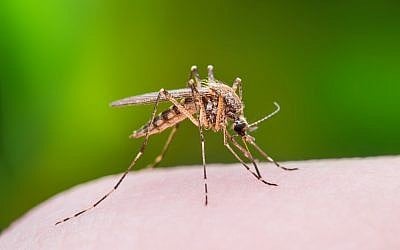
Two Israelis have died in the past few weeks from West Nile fever in the biggest outbreak of the mosquito-transmitted disease in recent years. The Health Ministry says 68 cases have been reported — twice as many as last year — and that 14 of the patients are in serious condition.
But the Health Ministry has been accused of failing to publicize the first death for three weeks, until it was revealed Wednesday by the Kan public broadcaster.
Following that criticism, a senior source in the ministry attempted to place the blame on others, telling Hadashot TV on Thursday that “local councils are preoccupied with municipal elections and don’t have time to fumigate” to contain the mosquito-transmitted disease.
The remark was referring to the upcoming elections in late October.
Local authorities responded by saying they were “operating in accordance with local needs and with guidelines issued periodically by various government ministries.”
The Health Ministry source also attacked the local councils, as well as the Agriculture Ministry, for failing to fence off northern Israeli waterways to contain an outbreak of another disease, leptospirosis.
Authorities were failing prevent animals from approaching the pools and streams and thus curb the bacterial infection, which is transmitted through animal urine.
In response, the Agriculture Ministry said the outbreak was caused by wild boar urine, and that oversight of the boar population falls under the purview of the Israel Nature and Parks Authority.
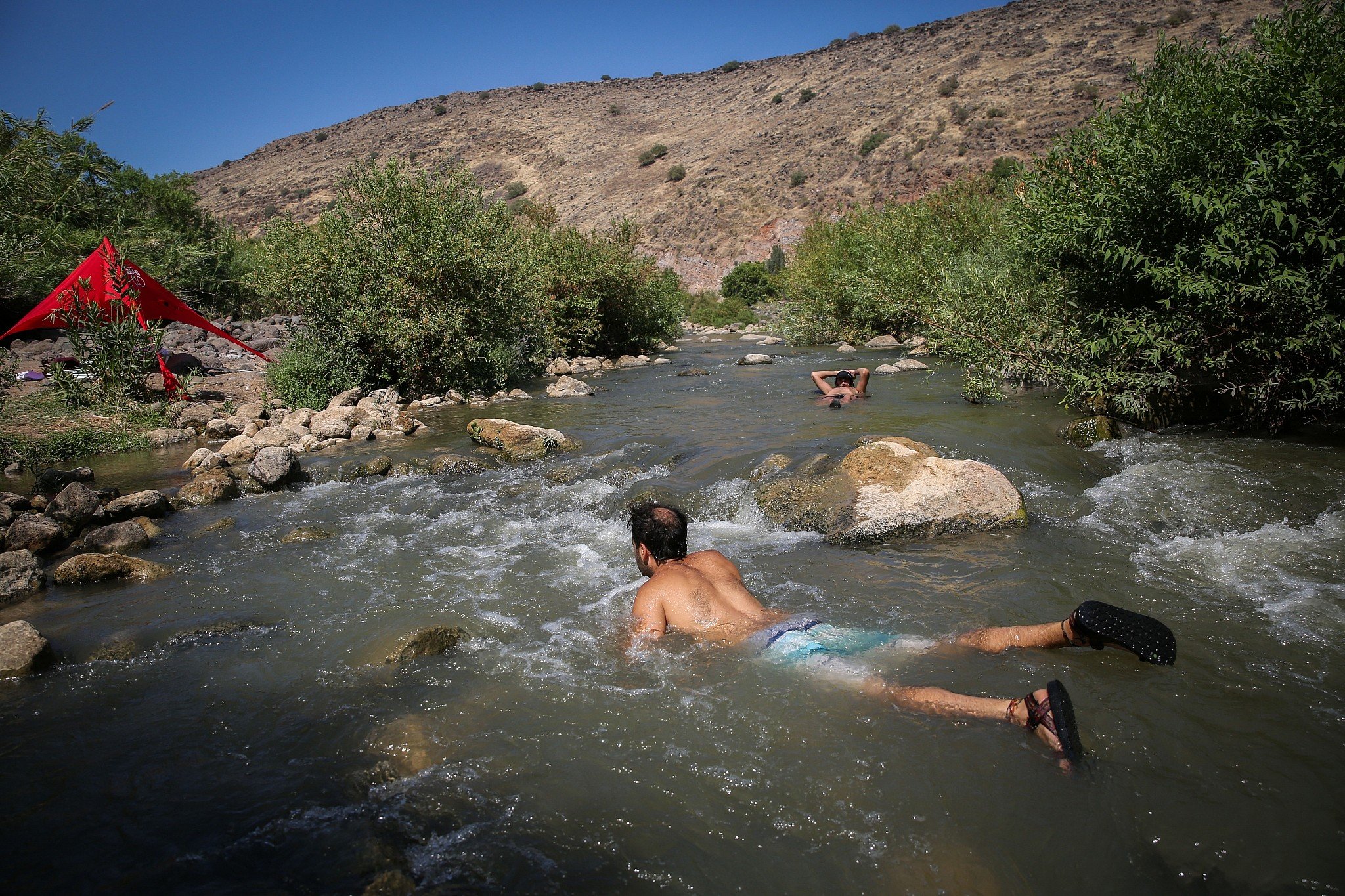
The main waterways infected with the bacteria are in the Golan Heights and Upper Galilee, including the Zaki and Yehudiya streams, the Daliyot estuary, the Gilbon River, and the Jordan River in the area of the Jordan park, near the Golan Heights.
According to authorities, 42 people had been infected with leptospirosis and another 242 people are suspected to have contracted the disease.
Additionally, Environmental Protection Minister Zeev Elkin on Thursday announced a plan to curb another disease, leishmaniasis, which has spread in Israel in the past two years.
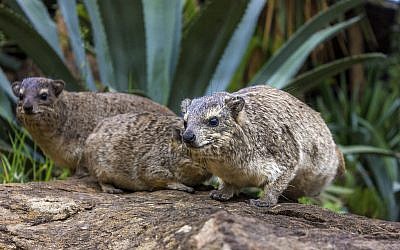
Elkin’s office said that sand flies, which transmit the disease to humans, get the virus by stinging rock hyraxes who carry it.
Therefore, according to Hadashot, the ministry was dropping the hyrax from the list of protected animals for three years, to enable authorities to decrease their numbers and contain the disease, which doesn’t have a vaccine.
The Nature and Parks Authority and some in the Environmental Protection Ministry were said to have opposed the move, fearing the harm done to the animal would be too severe.








The Times of Israel Community.