

Houthi attacks on Red Sea ships are delaying shipments, raising transport costs
Assaults by Iran-backed rebels on vessels in key waterway mean some companies are now bypassing route, with delays contributing to 1.3% decline in world trade in December
 Add ToI as a Preferred Source on Google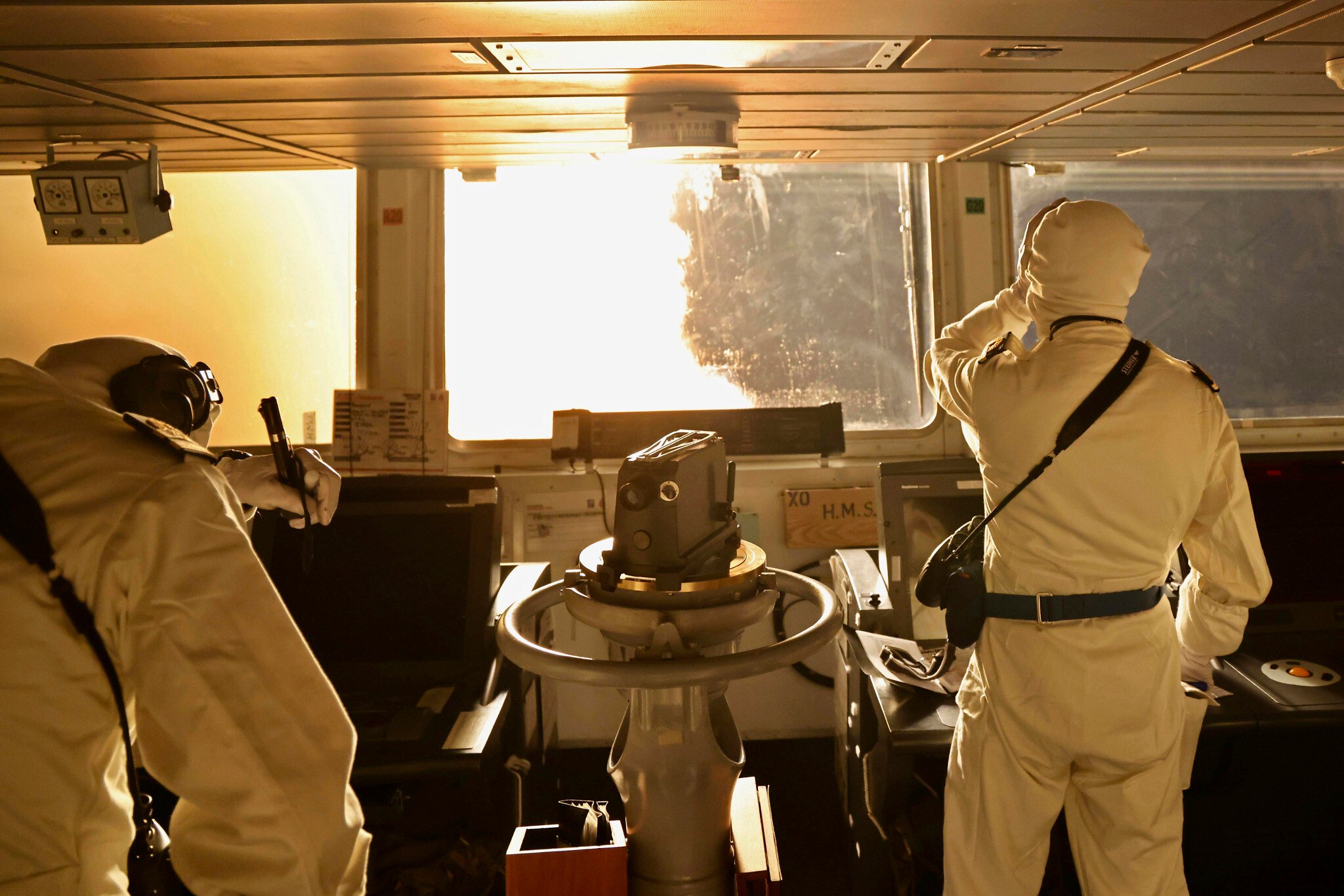
LONDON (AP) — The attacks on commercial ships in the Red Sea by Yemen’s Iran-backed Houthi rebels have rerouted most of the trade normally flowing through the crucial maritime artery for consumer goods and energy supplies, a shift that’s delaying shipments and raising transport costs.
The impact struck home Friday when electric car maker Tesla said it had to shut down its factory outside Berlin from January 29 to February 11 due to delays in supply chains, and as US-led airstrikes hit what the Navy said were Houthi missile and drone launch sites in Yemen.
Oil, natural gas, grain and everything from toys to electronics typically travel through the waterway separating Africa and the Arabian Peninsula en route to the Suez Canal, where 12 percent of the world’s trade passes.
Some of the world’s largest container shipping companies and oil giant BP have been sending vessels on longer journeys that bypass the Red Sea. In response to the growing impact to global trade, the United States and a host of other nations have created a new force to protect ships.
Here are some things to know about the recent attacks and the impact on global shipping:
Why are Houthis attacking ships?
The Houthis are Iranian-backed rebels who seized most of northern Yemen and the country’s capital of Sana’a in 2014. The following year, a Saudi-led coalition entered the conflict, seeking to restore Yemen’s internationally recognized government to power.
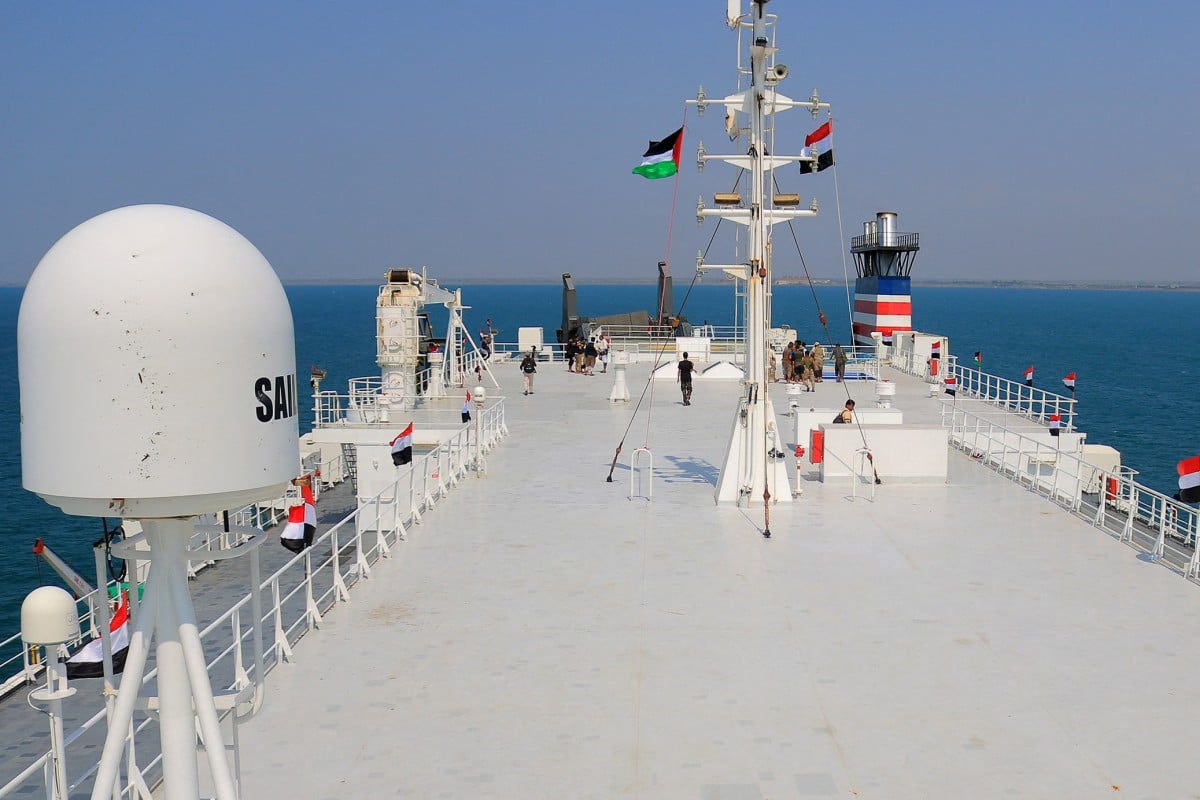
The Houthis have sporadically targeted ships in the region, but the attacks have increased since the start of the war in Gaza, sparked by the terror group’s deadly October 7 massacres in southern Israel. They have used drones and anti-ship missiles to attack vessels and in one case used a helicopter to board and seize an Israeli-owned ship and its crew.
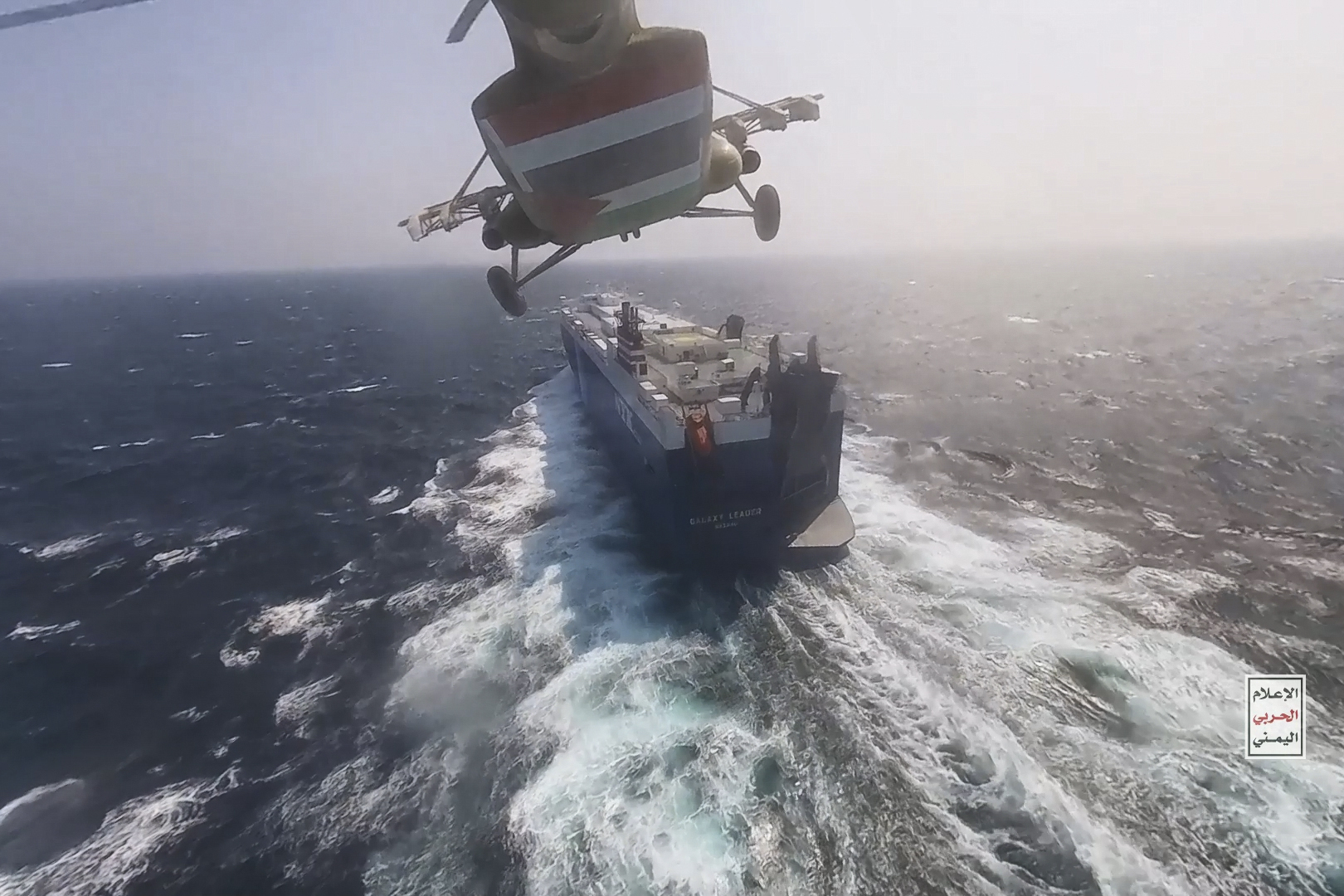
They have threatened to attack any vessel they believe is either going to or coming from Israel.
That’s now escalated to apparently any vessel, with container ships and oil tankers flagged to countries like Norway and Liberia being attacked or drawing missile fire.
Why is the Red Sea important?
The Red Sea has the Suez Canal at its northern end and the narrow Bab el-Mandeb Strait at the southern end, leading into the Gulf of Aden. It’s a busy waterway with ships traversing the Suez Canal to bring goods between Asia and Europe and beyond.
In fact, 40 percent of Asia-Europe trade normally goes through the area, including a huge amount of oil and diesel fuel for import-dependent Europe. So do food products like palm oil and grain and anything else brought over on container ships, which is most of the world’s manufactured products.
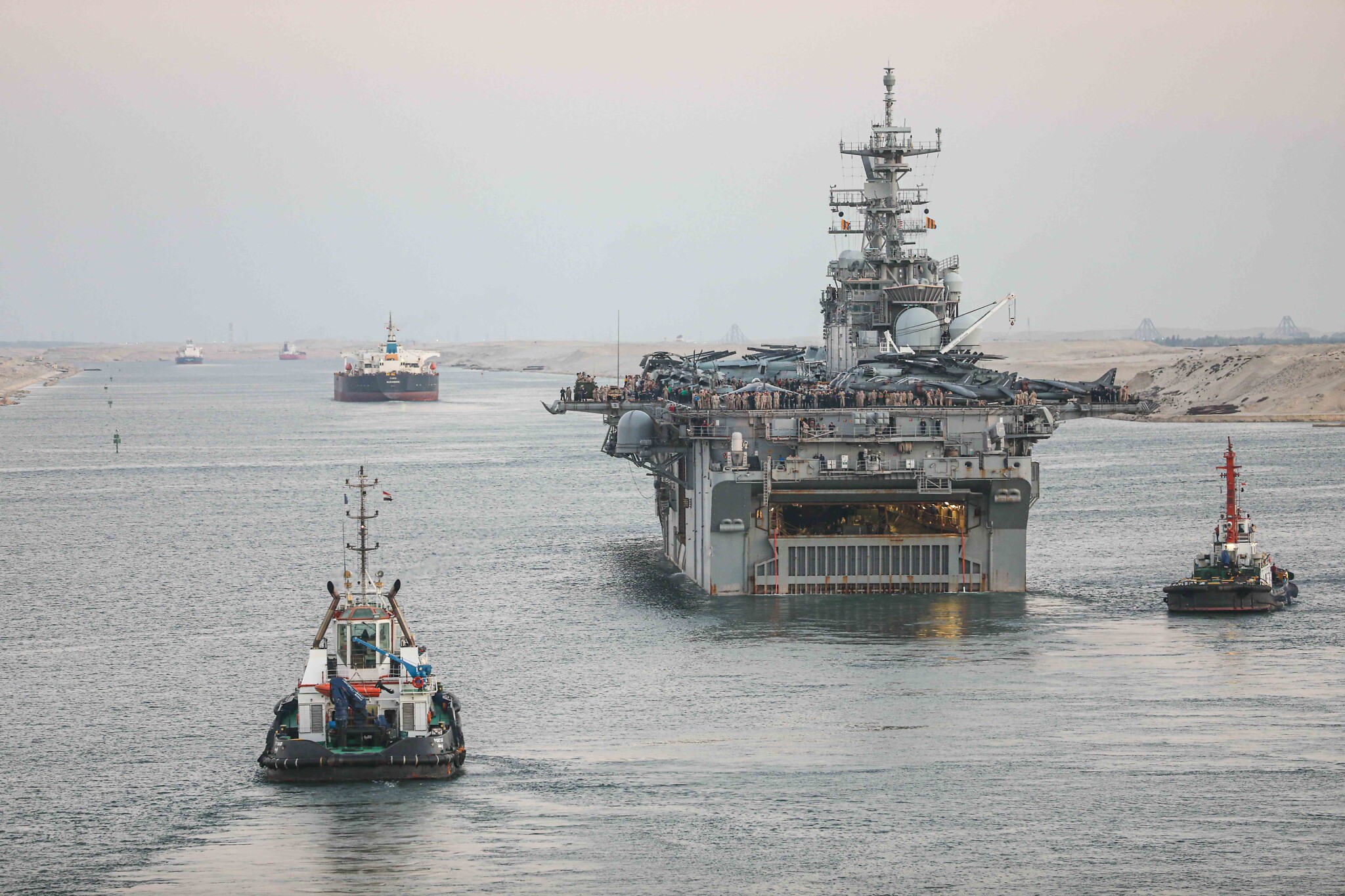
In all, about 30% of global container traffic and more than 1 million barrels of crude oil per day typically head through the Suez Canal, according to global freight booking platform Freightos Group.
How are Houthi attacks affecting trade?
Huge shipping container companies are avoiding the Red Sea and sending their ships around Africa and the Cape of Good Hope. That adds what analysts say could be a week to two weeks to voyages. Insurance and fuel costs have risen.
The number of containers passing through the Red Sea fell by more than half in December, to around 200,000 from 500,000 in November. The current level is 66% lower than the pre-pandemic 2017-2019 average, according to the trade indicator compiled by the Kiel Institute for the World Economy in Germany.
The cost of a standard 40-foot container from China to northern Europe has jumped from $1,500 to $4,000. But that is still far from the $14,000 seen during the pandemic.
The delays contributed to a 1.3% decline in world trade in December, reflecting goods stuck on ships rather than being offloaded in port. But “noticeable consequences for consumer prices in Europe are scarcely to be expected, since the share of freight costs in the value of high-priced goods such as consumer electronics is a fraction of a percent,” said Julian Hinz, director of the Research Center Trade Policy at Kiel.
However, analysts at JP Morgan say that the cost increase could slow the recent decline in inflation: “While these cost increases are coming off low levels, they will reinforce the fading of recent deflationary dynamics for goods prices.”
What does it mean for oil prices?
Crude prices rose around 4% on news of the US-led air strikes.
International benchmark Brent traded at just over $80 per barrel on Friday. That is still down from around $84 on the eve of the October 7 Hamas attack on Israel.
“While this puts upwards pressure on global oil prices, it is unlikely to represent a serious energy supply shock for now,” Simone Tagliapietra, an energy analyst at the Bruegel think tank in Brussels, said on X, formerly Twitter.
That could change if the Hamas-Israel and Houthi conflicts escalate and lead to trouble at the Strait of Hormuz at the southern end of the Persian Gulf: “That would have massive implications for global energy markets.”
How is the world responding?
The US is leading a security initiative to protect ships in the Red Sea that includes the United Kingdom, Bahrain, Canada, France, Italy, Netherlands, Norway, Seychelles and Spain. The Houthis have no navy to impose a cordon, relying on harassing fire and only one helicopter-borne assault so far.
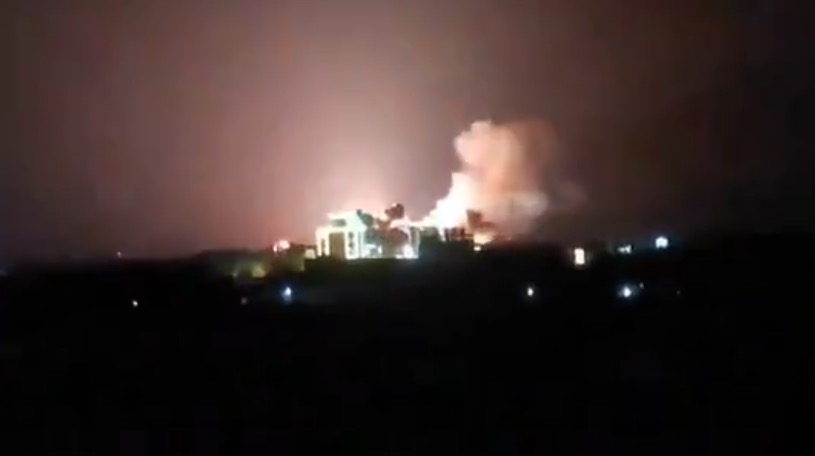
Friday’s strikes killed at least five Houthi troops and wounded six, the rebels said, without elaborating on what was targeted. It remained unclear how extensive the damage from the US strikes was, though the Houthis said at least five sites, including airfields, had been attacked.
Times of Israel staff contributed to this report.









The Times of Israel Community.