

How the sewers under Nazi-occupied Ukraine gave rise to unexpected Holocaust heroes
Ignacy Chiger died half a century ago, but his newly published war memoir raises complicated questions of Judenrat’s Jewish communal responsibility versus allegations of complicity
 Add ToI as a Preferred Source on Google
Reporter at The Times of Israel
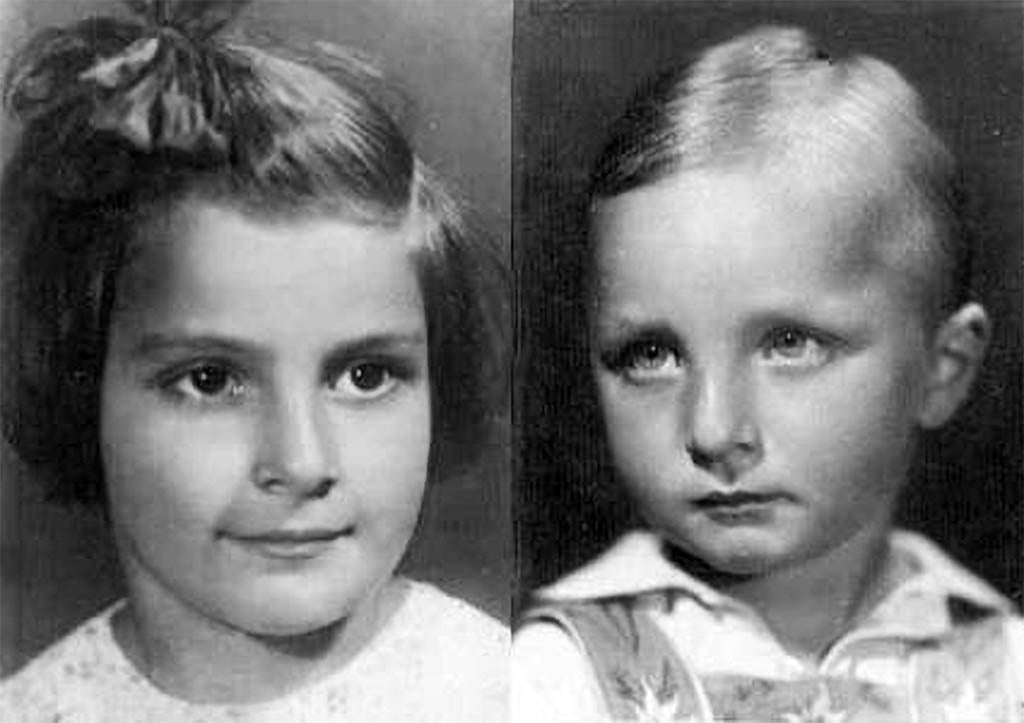
At least 80 percent of pre-World War II Lviv’s Jewish community of 150,000 people were murdered in the Holocaust. A small group of Jews managed to survive by hiding within the Ukrainian city’s sprawling sewer system for 14 months, evading capture by the Nazis and local collaborators.
In “Beneath the Lightless Sky: Surviving the Holocaust in the Sewers of Lvov,” Ignacy Chiger penned an exceptionally tactile account of hiding from the Nazis in western Ukraine. Half a century after Chiger’s death in 1975, the memoir was translated into English through the efforts of his grandson, Doron Keren.
“I grew up hearing bits and pieces of the survival story from my mother when I was in my early tweens,” said Keren, who authored a prologue for his grandfather’s memoir. “The timelines were blurry. It’s hard to believe, but the first time I put it all together, in chronological order, was when I read my mother’s book, ‘The Girl in the Green Sweater,’” said Keren, a retired dentist.
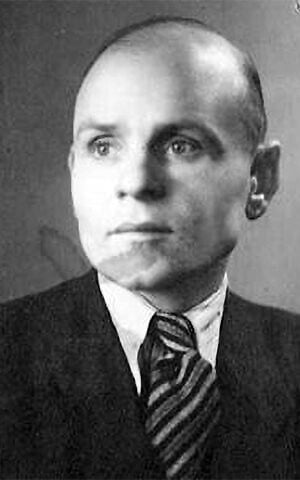
Chiger and his family survived the Holocaust largely due to the efforts of Leopold Socha, a Polish sewer inspector who aided Jews hidden in the sewer network. At first, Socha helped the Jews in exchange for money. When cash ran out, the one-time thief chose to keep sheltering the fugitives.
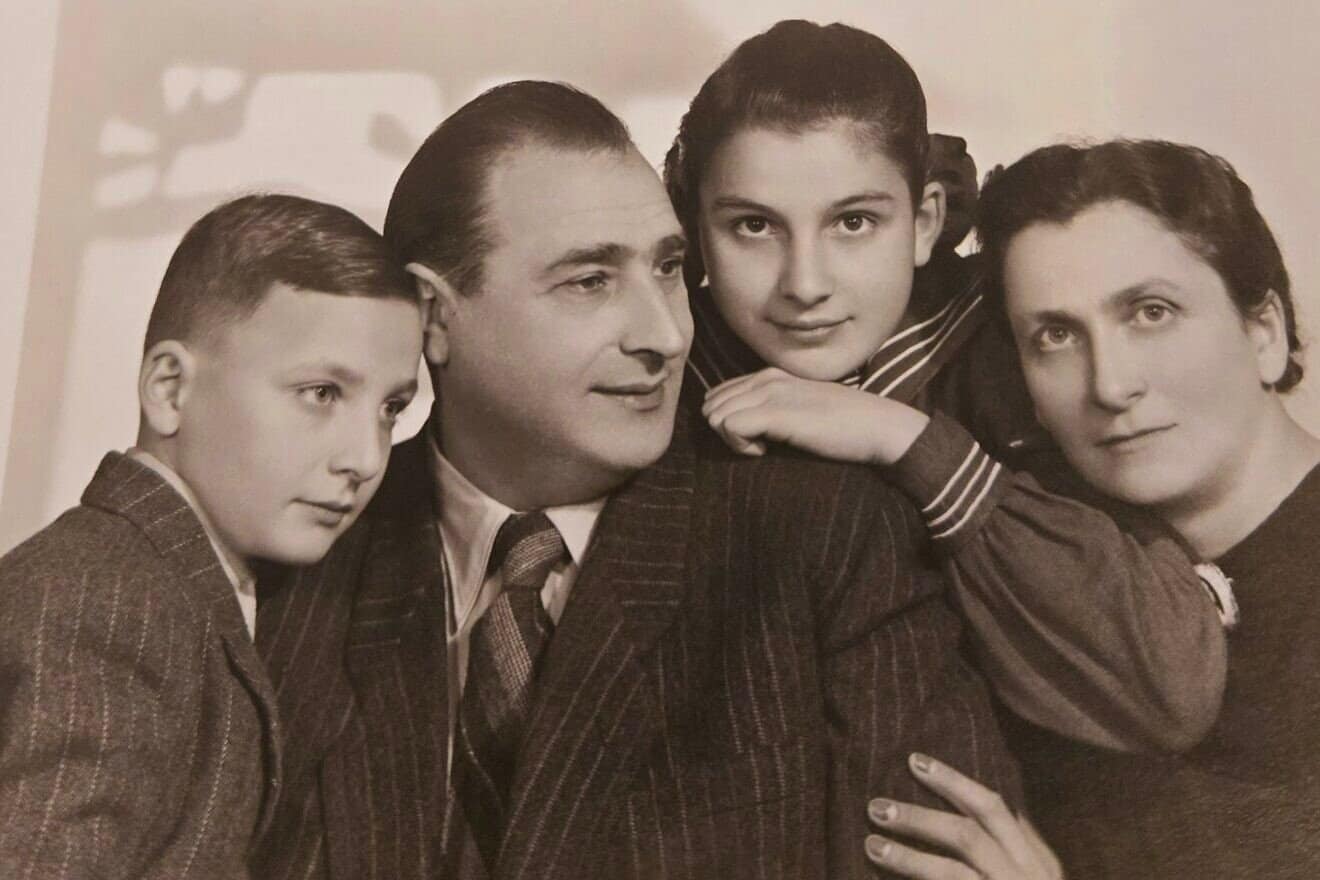
“I dread recollecting how awful the sewer was,” wrote Chiger. “Stinking sewage water flowed under our feet while the wind played and whistled above our heads, making us freeze,” wrote Chiger, who hid along with his wife, son, and daughter, Keren’s mother Krystyna.
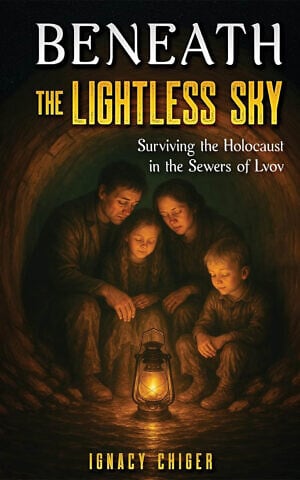
With the sewers frequently flooded, Socha and the other Jews identified a secure ledge area nicknamed “the palace.” The hiding place kept them relatively dry and allowed access for Socha to bring supplies.
“What makes this story so unique is that it’s also a story of a Catholic hero — a savior who sought redemption and who fell in love with a Jewish family along the way,” Keren told The Times of Israel. “This remarkable human being who came from society’s lowest station rose to the height of an angel, as my grandmother always called him,” said Keren.
The group of Jews who survived in Lviv’s rat-infested sewers were featured in the 2011 film, “In Darkness,” as well as in the acclaimed book published in 2012 by Chiger’s mother, Krystyna Chiger.
‘Real people making seemingly impossible choices’
Unlike those previous accounts, “Beneath the Lightless Sky” keeps readers in the Lviv sewers for just one-third of the telling. This allows Chiger to probe enduringly controversial aspects of the Holocaust, including the Nazi-appointed Judenrat — or Jewish Council — of Lviv.
In addition to deploying a Jewish police force of 750 officers, the Jewish Council had control over food and medical supplies, employment, and ghetto housing. The first council leader — Józef Parnas — was assassinated in 1941. This was several months before Judenrat and German officials entered ghetto apartments to deport 15,000 elderly and disabled Jews for “special treatment” in the Belzec gas chambers.
It must be pointed out, wrote Chiger, that some Judenrat members risked their lives to assist fellow Jews, including by aiding the ghetto’s underground resistance movement. Others were murdered or tortured for refusing German orders. All council members faced the constant threat of retaliation against family members.
“The book challenges readers to see history as lived by real people making seemingly impossible choices,” said Keren.
Despite Chiger’s elevation of Socha, the memoir in no way minimizes the extent to which thousands of Ukrainians and Poles collaborated with German authorities in the persecution of Jews. In the Lviv region of western Ukraine, for example, some Holocaust-era pogroms were instigated by local citizens, and not German occupation authorities.
“Ukrainians and Poles have come clean and bear some responsibility for the death of so many Jews. They certainly did not start the Holocaust, as many died alongside Jews. Nevertheless, many were definitely complicit,” said Keren.
No end to antisemitism
After liberation from the Nazis, Chiger documented how antisemitism continued to “fall on receptive ground” among the population of Lviv.
“In August 1944, my wife went to school to enroll [our daughter] Krzysia. When she told the secretary that Krzysia was Jewish, the woman refused to register her. A Jewish girl? How could it be? It was inconceivable,” wrote Chiger.
The school decided to admit Chiger’s daughter despite her being Jewish. Juxtaposed against other examples of hostility, Chiger documented how some Poles and Ukrainians went out of their way to help Jews after the war.
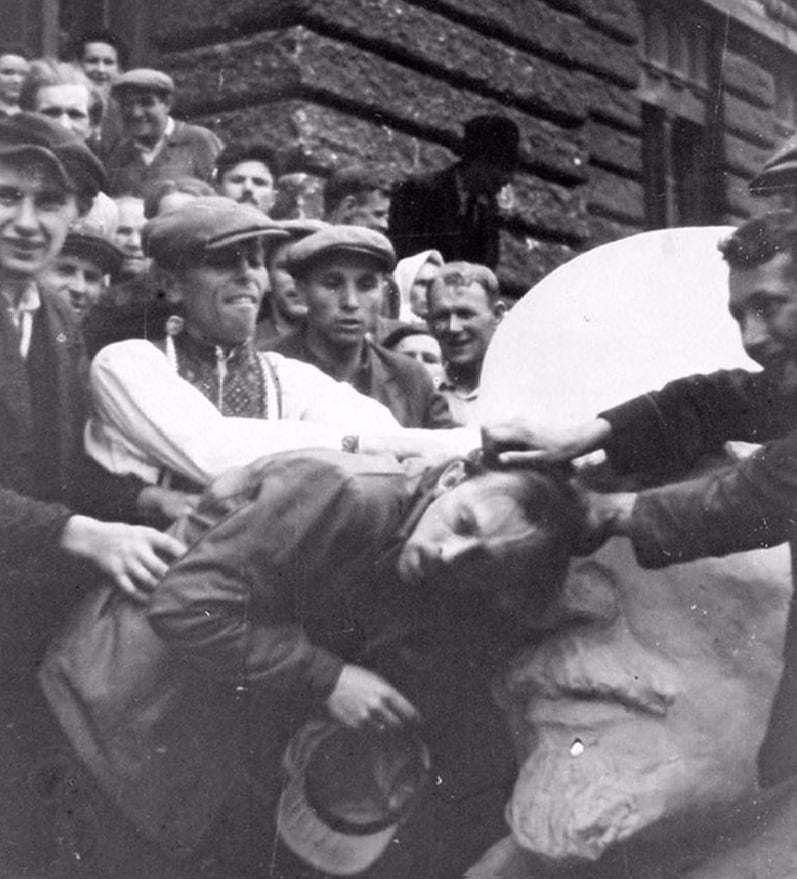
In addition to cultivating upstanders, Keren said people should attempt to consider history — as well as current events — in less simplistic terms.
“[My grandfather’s] story forces us to confront the complexities of dual occupation, betrayal, alliances of necessity, and moral choices that were not black-and-white, like the Jewish police within the Judenrat, for example,” said Keren.
“Today, more so than any other time in my lifetime, we as Jews need upstanders like Socha — people who rise above the constant noise of antisemitism on social media to speak out in truth, and be ambassadors for humanity,” said Keren.
“Beneath the Lightless Sky” might have added resonance for Israelis after the October 7 massacre and ensuing war, said Keren.
“I think Israeli audiences will connect to the idea of moral duty under constant pressure,” said Keren. “[My grandfather] did not see himself as a hero; he saw himself as responsible. That sense of responsibility to his family, to the Jews around him, to the future of Jews in Poland, is something Israelis know painfully well, and embody on a national level,” said Keren.
Beneath the Lightless Sky: Surviving the Holocaust in the Sewers of Lvov by Ignacy Chiger
This article contains affiliate links. If you use these links to make a purchase, The Times of Israel may earn a commission at no additional cost to you.








The Times of Israel Community.