

Iran’s tiny Tel Aviv outpost: City playground has surprising owners
With social media quiz, municipality draws attention to the fact that a small park near the city center is built on a plot purchased by pre-revolutionary Iran for an embassy
 Add ToI as a Preferred Source on Google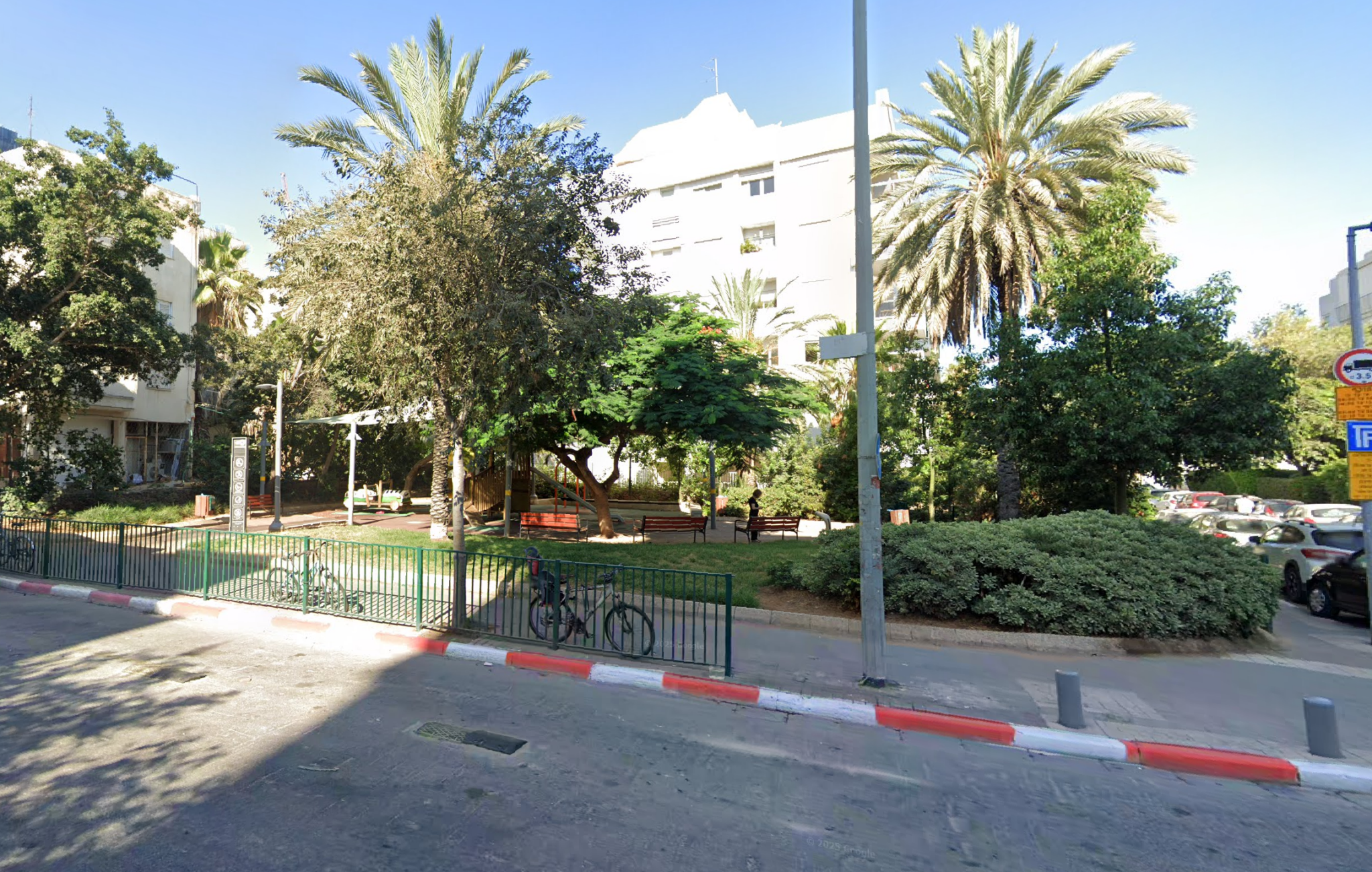
The Tel Aviv municipality this week drew attention to a lesser-known fact when it quizzed Facebook followers on the identity of the owners of a small plot of land near the city’s center, which currently hosts a public playground, a few benches and a few patches of grass.
The surprise answer: Iran.
No, the Islamic Republic devoted to Israel’s destruction has not suddenly taken an interest in lucrative real estate options in the coastal city. Rather, the tiny park on the corner of Yalin and Remez streets, right by Kikar HaMedina, was purchased by Iran in the 1970s, prior to the Islamic Revolution.
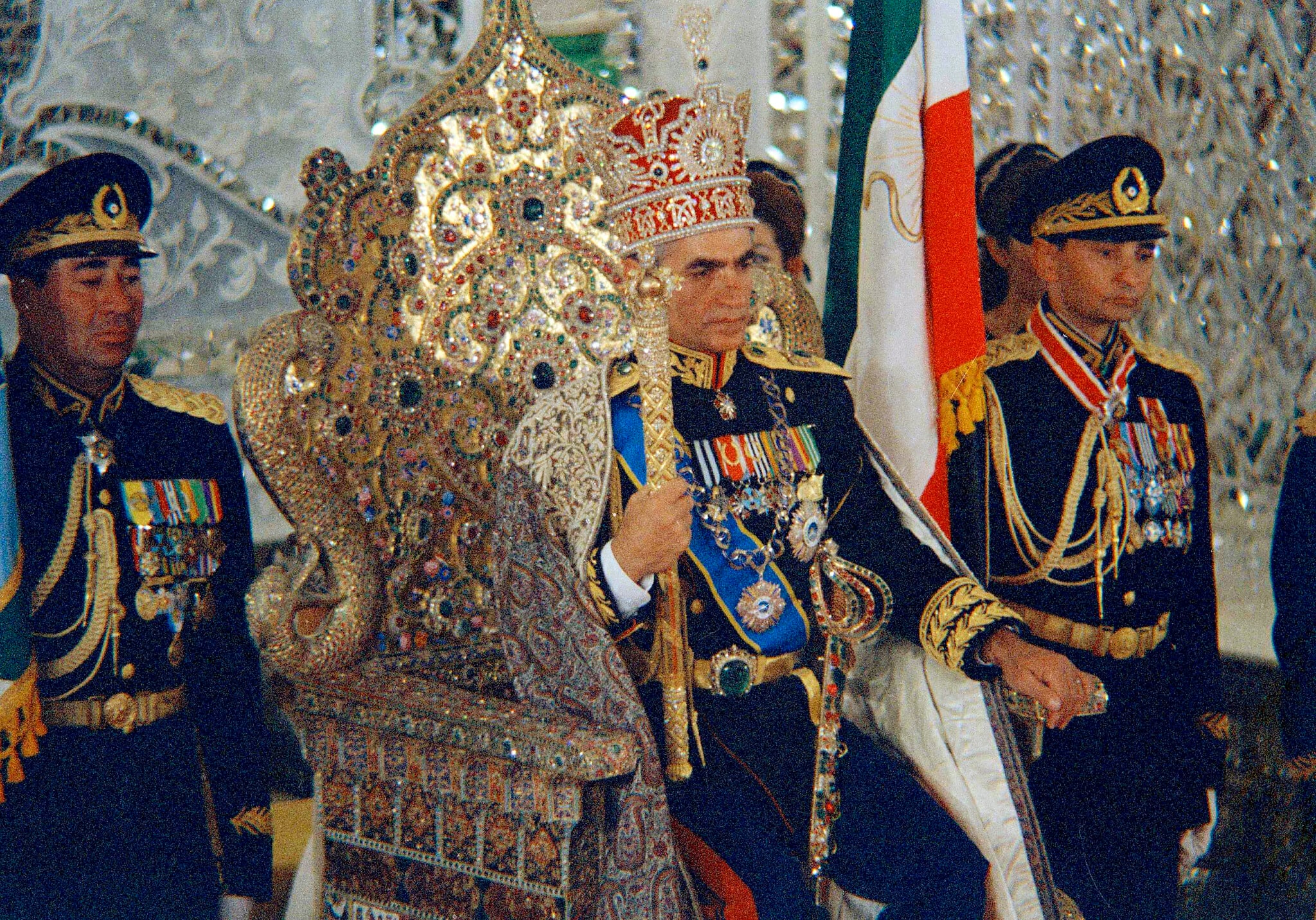
At that time, under the reign of the Shah, Israel and Iran had strong diplomatic relations, and Tehran bought the land in question to eventually build an Iranian embassy there.
This, of course, did not come to pass, with the 1979 fall of the monarchy and the establishment of the intensely hostile Ayatollah regime.
Following the revolution, the plans were put on hold indefinitely. But the land ostensibly remains Iran’s, and could be reclaimed in the future.
Article 45(a) of the Vienna Convention on Diplomatic Relations requires states to “respect and protect the premises of [diplomatic missions], together with [their] property” if relations between two countries are broken off.
In 1986, then-Tel Aviv mayor Shlomo Lahat requested permission from the Israel Land Authority to build a park on the plot. In 1987, permission was granted, temporarily, until diplomatic relations could hopefully be renewed.
Nearly four decades later, that prospect still seems far off.
The Tel Aviv Facebook page posted the question in the wake of recent mass protests in Iran, which some saw as a sign that the reign of the ayatollahs was nearing its end, and raised hopes among some Israelis of a potentially bright future in ties.
The protests, however, have largely been suppressed, with the regime killing thousands of people in a brutal crackdown.
“Who knows, perhaps in the future there will be peace between us again, and a nice Iranian ambassador (or ambassadress!) will sit there, perhaps on the swings,” the municipality said.





The Times of Israel Community.