

 From
From Bill aimed at blocking provision of electricity, water to UNRWA facilities passes first reading in Knesset
 Add ToI as a Preferred Source on Google
Ariela Karmel is a political correspondent at The Times of Israel. She previously reported for Calcalist and Haaretz. She holds an MA in Middle Eastern and African History from Tel Aviv University and a BA in Political Science from the University of British Columbia.
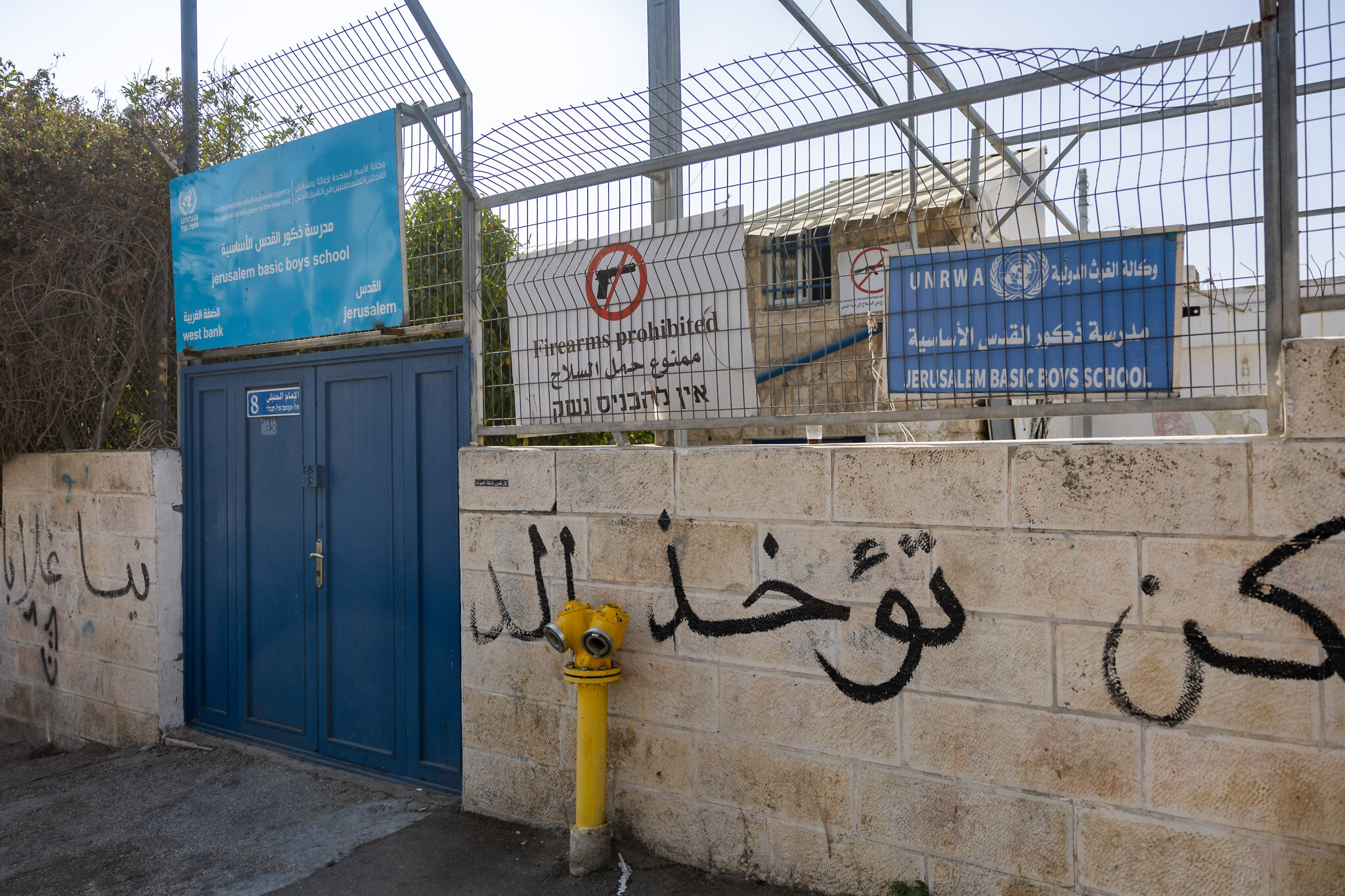
A government-backed bill to prohibit the provision of electricity or water to facilities owned by or operated on behalf of UNRWA, the UN agency for Palestinian refugees and their descendants, passes its first reading in the Knesset 28-8.
UNRWA — the United Nations Relief and Works Agency for Palestine Refugees in the Near East — provides education, health care and aid to millions of Palestinians in Gaza, the West Bank, Jordan, Lebanon, and Syria.
Israel has alleged that more than 10 percent of UNRWA’s staff in Gaza have ties to terrorist factions, and that educational facilities under the organization’s auspices consistently incite hatred of Israel and glorify terror.
The new amendment would formalize a process requiring electricity and water providers to withhold or disconnect service from any property whose registered consumer name is UNRWA, unless the registered party submits a sworn declaration that they do not represent or act on behalf of the agency.
The legislation also proposes to allow the government to seize properties in Ma’alot Dafna and Kafr Aqab in Jerusalem, which had been leased to UNRWA by the state and used as the agency’s offices, “without the need to initiate legal or administrative proceedings.”
The bill will now proceed to committee, where it will be prepared for additional readings before becoming law.
The measure is an amendment to a bill passed by lawmakers in October 2024, barring the agency from operating in Israeli territory and curtailing its activities in the Gaza Strip and the West Bank by banning state authorities from having any contact with the agency.
The agency continued to operate for some time after the bills’ passage, but its facilities in East Jerusalem were eventually shuttered.
The new bill aims to clarify that the provision of electrical and water services should be considered “contact” under the law.





The Times of Israel Community.