

 From the Liveblog of
Thursday, November 20, 2025
From the Liveblog of
Thursday, November 20, 2025
Israel begins expropriating 1,800 dunams of West Bank land to develop archaeological site
 Add ToI as a Preferred Source on Google
Emanuel (Mannie) Fabian is The Times of Israel's military correspondent
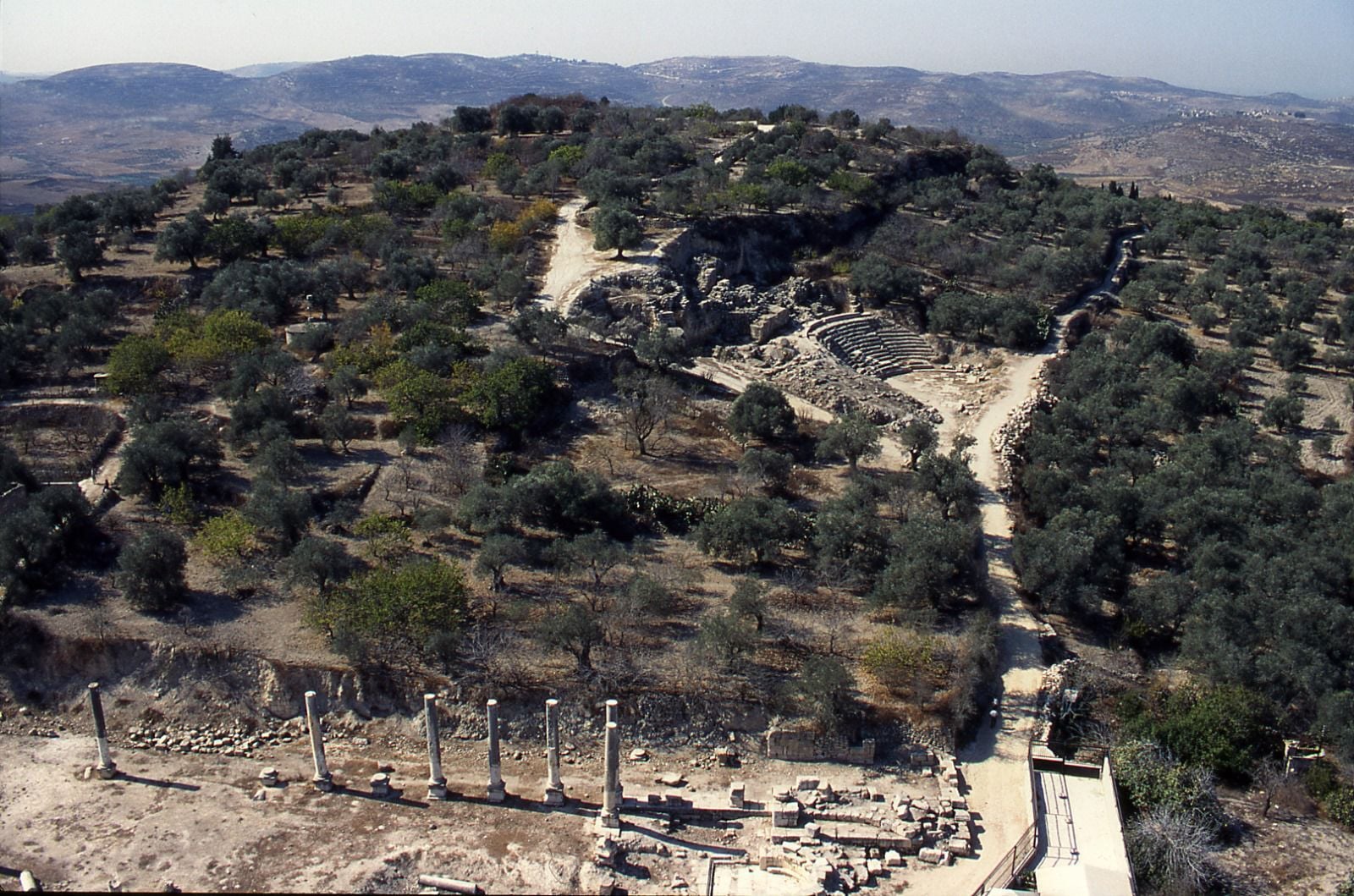
The Civil Administration, a branch of the Defense Ministry’s Coordinator for Government Affairs in the Territories (COGAT) unit, says it has begun to expropriate 1,800 dunams (445 acres) of land in the West Bank for the “preservation and development” of an archaeological site.
The lands being expropriated surround the archaeological site of Sebastia, near Nablus, which is thought to have been the capital of the northern Israelite kingdom in the 9th and 8th centuries BCE.
The Civil Administration says the expropriation is “expected to enable infrastructure development, the expansion of archaeological excavations, and the uncovering of additional historical findings.”
“The expropriation will be carried out in areas of the archaeological site located in Area C” of the West Bank, which is under full Israeli security and civil control, “and is being implemented following intentional neglect by the landowners and the Palestinian authorities,” it says.
The Defense Ministry body says Civil Administration officials have notified landowners of the beginning of the process and the transfer of the land surrounding Sebastia to the management of the Civil Administration’s archaeology unit.
“This is being done in accordance with the law, and as part of a broad project led by the Ministry of Heritage, which includes an investment of roughly NIS 32 million to upgrade the site, improve visitor access, and develop the archaeological area,” the Civil Administration says.
Sebastia’s archaeological site features remains from several periods, from the Iron Age (1200 – 586 BCE) to modern times. Its overlapping layers of history date back nearly 3,000 years, from biblical kings to Roman conquerors, Crusaders, and Ottomans. Fragments of houses, walls, and a palace (which some associate with Israel’s biblical kings) from the Iron Age remain, as well as many ruins from Roman times.
Both Israelis and Palestinians lay claim to the site as part of their cultural heritage, though it has largely remained undeveloped and unexcavated for decades.
Rossella Tercatin contributed to this report










The Times of Israel Community.