

 From the Liveblog of
Wednesday, October 7, 2026
From the Liveblog of
Wednesday, October 7, 2026
Report: PM repeatedly warned before Oct. 7 by Halevi, Bar, Gallant that internal rift was emboldening enemies
 Add ToI as a Preferred Source on Google
Nava Freiberg is The Times of Israel's deputy diplomatic correspondent.
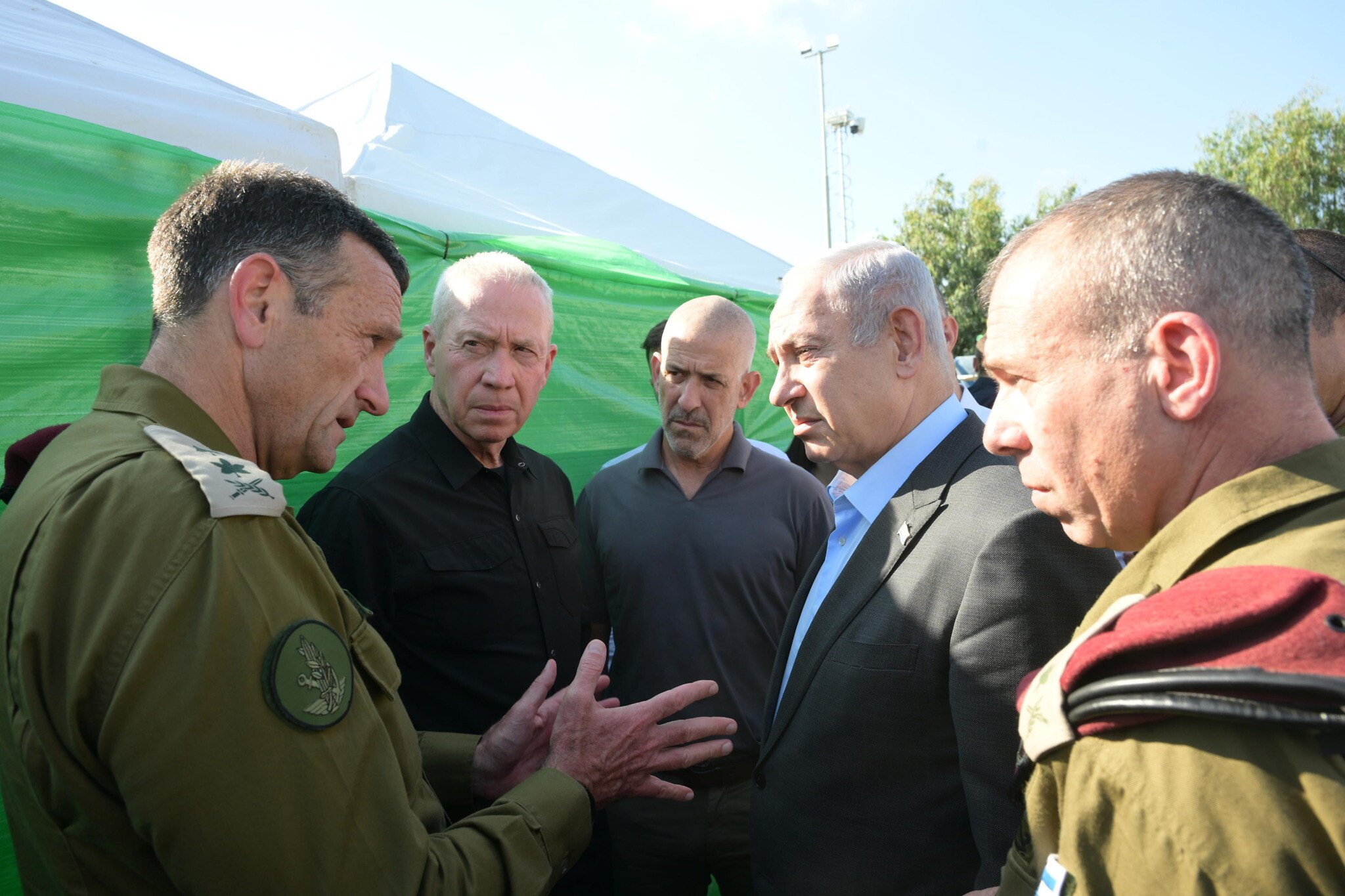
Prime Minister Benjamin Netanyahu received repeated strategic warnings from senior security officials in the seven months before the Hamas-led October 7, 2023, massacre that Israel’s internal divisions were eroding deterrence, emboldening Iran, Hezbollah and Hamas, and increasing the danger of a multi-front war, according to a lengthy Channel 12 expose marking the third anniversary of the attack.
The report reveals what it says are previously unpublished portions of letters, documents and communications delivered to Netanyahu between March and September 2023 by senior defense officials, including then-IDF chief Herzi Halevi, then-defense minister Yoav Gallant, then-Shin Bet chief Ronen Bar and Military Intelligence officials.
None of the warnings cited by the network specifically predicted the October 7 Hamas attack, rather warned of a growing strategic danger of escalation as Israel’s enemies perceived it to be weakening, especially due to the societal rift over the government’s planned judicial reform.
According to the report, on March 19, then-Military Intelligence Research Division chief Amit Saar warned Netanyahu that Israel’s enemies were debating whether to “sit on the fence and allow Israel to continue weakening itself” or to take action to further worsen the situation.
Two days later, Halevi allegedly sent Netanyahu what Channel 12 describes as his first strategic warning letter, writing that Israel’s internal crisis had become “a central factor” in its enemies’ assessments and was leading them to consider “advancing offensive measures.” Halevi offered to further brief Netanyahu and other officials, but a source familiar with the letter says no such discussion was held.
The warnings intensified in the following months. On April 12, Military Intelligence reportedly told Netanyahu the likelihood of multi-front military escalation had reached its highest level since the Second Lebanon War. On July 16, Amit Saar reportedly warned that the political and social crisis was encouraging Iran, Hezbollah and Hamas. Days later, Halevi sent another letter warning that Israel’s enemies sensed erosion in three pillars of its deterrence: IDF strength, societal cohesion and ties with the US.
Netanyahu reacted angrily to the letter, according to Channel 12, suggesting those protesting against the reform were to blame: “It’s not us. They should talk to those people [protesting] on Kaplan [Street in Tel Aviv].”
The network says Bar also told Netanyahu directly by secure phone: “Mr. Prime Minister, I am giving you a strategic warning of war,” warning that Israel was losing its ability to predict developments across the various fronts and that “something serious could happen.”
Further warnings followed in August, according to Channel 12, which says Bar warned lawmakers that Israel was approaching a “perfect storm.”
Gadi Eisenkot, a former IDF chief now Netanyahu’s top rival in the upcoming election, separately wrote Netanyahu warning of significant deterioration in parts of the IDF’s readiness, particularly the Air Force, the network adds, saying the Prime Minister’s Office replied that “the matter is being handled.”
On September 7, exactly one month before the Hamas attack, Gallant sent Netanyahu a seven-page letter, portions of which Channel 12 says it is revealing for the first time. Citing Military Intelligence assessments, Gallant reportedly warned that the worsening internal crisis was eroding Israel’s image among its enemies, damaging deterrence and increasing the likelihood of escalation.





The Times of Israel Community.