

Only 11% of probes into hate crimes against Palestinians bring indictment – NGO
Yesh Din argues that Palestinians despair of receiving justice and increasingly refrain from turning to police when crimes committed against them
 Add ToI as a Preferred Source on Google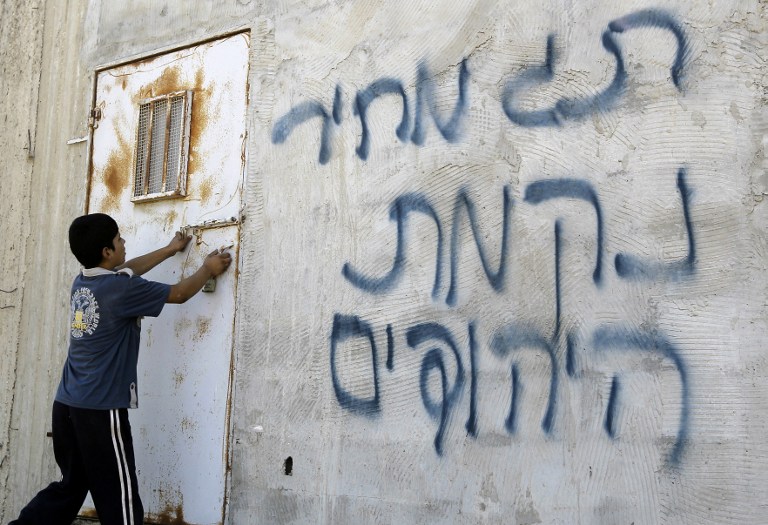
Just one in ten probes into hate crimes against Palestinians in the West Bank end in an indictment, according to a report from an Israeli rights group published Sunday.
Two hundred and twenty-five investigation files were monitored since 2014, and of the 185 files that were processed, just 21 or 11.4 percent resulted in charges filed by the Israel Police’s Judea and Samaria District, according to the Yesh Din group.
The overall rate for cases taken by the Judea and Samaria District that ended in indictments from 2014 to 2016 was more than three times higher at 36.3%.
Though the figures mark a slight increase over previous years, the NGO said its findings still show that Israel “fails to fulfill its duty to guarantee the safety of the Palestinian public” in the West Bank.
As a result, Yesh Din argued that Palestinians have been increasingly refraining from turning to police after alleged crimes have been committed against them.
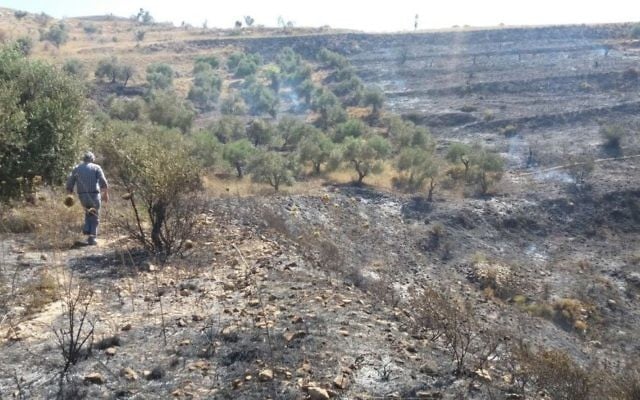
In 2016, the rights group documented 113 incidents of ideologically motivated crime against Palestinians and their property in the West Bank.
In 48 of those cases (42%), the alleged victims told Yesh Din they were not interested in filing a complaint to the police.
The rate marked an increase from cases monitored by the NGO from 2013 to 2015 when 30% of the alleged victims declined to file a complaint.
“Lack of effective law enforcement bolsters the perpetrators’ sense of impunity and contributes to the continuation of crime motivated by an ideology of dispossession in the West Bank,” the group said at the conclusion of its report.
Responding to the report, the Israel Police’s Judea and Samaria District released a Sunday statement insisting that the division “investigates every complaint received professionally in order to arrive at the truth.”
“Indictments are filed only after evidentiary infrastructure against a suspect has been established — the minimum threshold required for criminal prosecution,” the statement said.
“Police from the nationalistic crime division, as well as other police units, are working openly and covertly to prevent nationalistic crimes.”









The Times of Israel Community.