

Police cite WhatsApp messages to show PM’s aide knew of efforts to leak classified docs
‘A senior officer in Military Intelligence wants to give me urgent documents to the PM,’ Eli Feldstein wrote to Netanyahu’s key adviser Jonatan Urich in 2024, police tell court
 Add ToI as a Preferred Source on Google
Jeremy Sharon is The Times of Israel’s legal affairs and settlements reporter
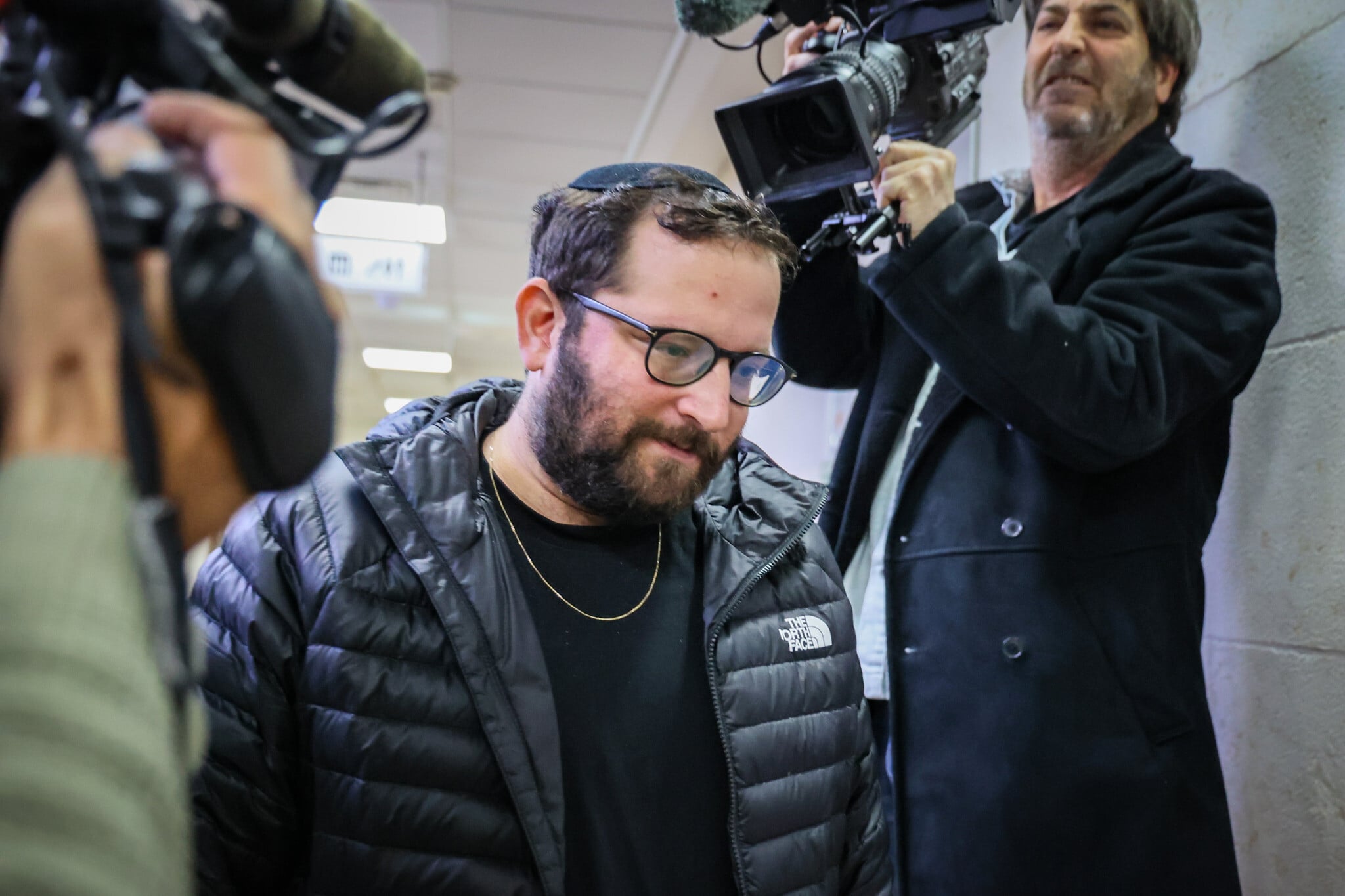
Police provided evidence on Sunday demonstrating that Jonatan Urich, a key suspect in the leaked documents affair, knew about the classified document that was leaked to the Bild newspaper, and the fact that it was going to be leaked.
The police also provided evidence that Urich knew of a second classified document that was also illegally removed from the IDF’s Military Intelligence Directorate, although ultimately not leaked to the press.
The information was included in an appeal by the police to the Lod District Court against a lower court decision last week to lift restrictions on Urich.
That decision also removed restrictions that had been placed on Tzachi Braverman, Prime Minister Benjamin Netanyahu’s chief of staff, who was questioned last week over suspicions he sought to quash an investigation into the affair.
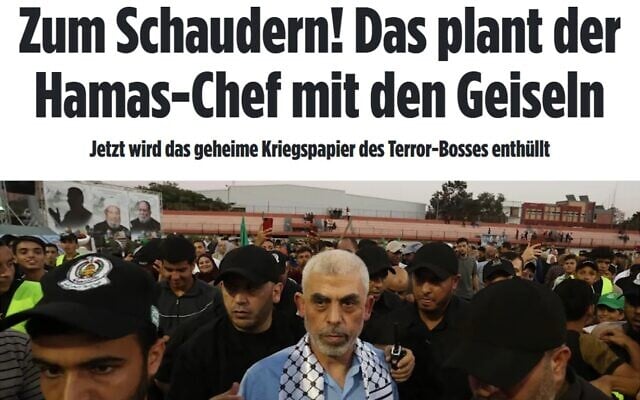
The Bild affair revolves around the allegedly unlawful removal of sensitive and classified documents from IDF Military Intelligence by a reservist NCO, Ari Rosenfeld, and the leaking of one of those documents to the Bild newspaper by Feldstein.
The document in question was an internal Hamas memo purporting to show that the terror group was not interested in the compromises necessary to reach a hostage deal. It was leaked to defend Netanyahu’s position that only further military pressure would lead to the release of the hostages in the face of a severe public backlash to the murder of six hostages in Gaza at the end of August.
Last month, Feldstein gave an interview to the Kan public broadcaster alleging that Braverman had received information that there was an IDF investigation into the leak, and told Feldstein he could “quash it.” Braverman was detained and questioned under caution for several hours last week on suspicion of obstruction of justice.
The Lod District Court ruled Sunday that the restrictions on both Braverman and Urich would be extended until at least Tuesday, when a hearing would be held on the police appeal.
The appeal was filed after Judge Menachem Mizrahi of the Rishon Lezion Magistrate’s Court ruled last week not to approve police restrictions on Braverman and Urich, which included barring the two from going back to work at the Prime Minister’s Office and barring them from contacting anyone involved in the Bild leaked documents affair.
In their response, the police were critical of Mizrahi over several aspects of his ruling, and provided exact quotations of correspondence between Urich and Feldstein over the WhatsApp and Signal messaging services to assert that the suspicions against Urich were well-grounded in evidence.
The police asserted that during interrogation, Urich has avoided answering questions properly, and has refused to comment on the various conversations he had with Feldstein, which appear to refute his claims that he did not know about the classified documents that Feldstein had obtained from Military Intelligence or that they were going to be leaked.
The police also pointed out that a day after Feldstein was arrested, Urich switched his cellphone, which the police described as “incriminating behavior.”
The police cited one message Feldstein sent Urich on June 6, 2024, in which he told Urich explicitly, “Are you listening? A senior officer in Military Intelligence, a source of mine, wants to give me urgent documents for the prime minister: psycho material,” said Feldstein.
Then the police cite a series of messages from Feldstein to Urich from September 2 to September 6, updating him about his work to leak the document, although without mentioning it explicitly.

The police argued, nevertheless, that the information Feldstein had already relayed to Urich about the documents and the context of Feldstein’s messages meant Urich had to know of the plans to leak it.
After the story was published by the Bild, Urich wrote to Feldstein: “The boss is satisfied,” allegedly referring to Netanyahu.
The police also cited messages between the two figures from October 13, 2024, showing that Urich was aware Rosenfeld had given Feldstein another secret document, which was drafted by six officers in Military Intelligence, accusing a state actor of being involved in the October 7 Hamas onslaught.
Feldstein wrote to Urich on Signal that he intended to show this document to the Bild reporter who published the story on the first document, and Urich told Feldstein in response to have Yisrael Einhorn, another suspect in the Bild and Qatargate cases, deal with it.
“Despite the claims of the respondent [Urich] that he never saw or heard of the state document, which was also a secret document… he was aware of the existence of this document and talked with Feldstein about it being published,” police argued in their appeal.


The Times of Israel Community.