

Pope tells moms to go ahead and breastfeed in Sistine Chapel
While baptizing 34 crying children, Francis tells parents to ensure ‘language of love’ is spoken at home
 Add ToI as a Preferred Source on Google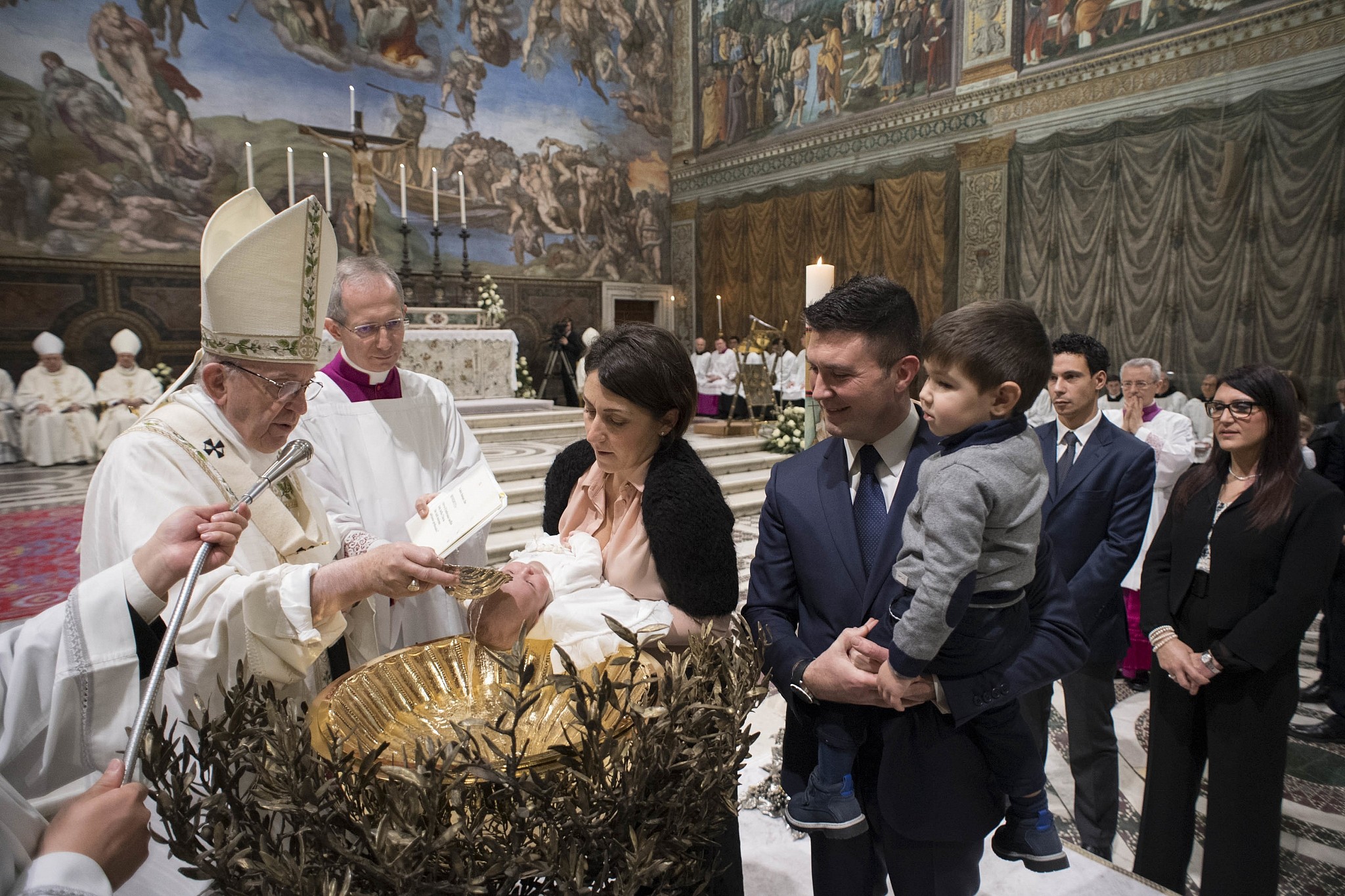
VATICAN CITY (AP) — Pope Francis on Sunday told mothers they could breastfeed their babies in the Sistine Chapel, because it is “a language of love.”
While baptizing 34 cooing and crying babies, the pontiff encouraged their parents to make sure the “language of love” is spoken at home. He likened infants’ wailing to a concert.
Francis told the parents that if their babies start crying later in the ceremony, it is “because they are not comfortable, or too hot, or they don’t feel at ease or are hungry.” If that is the case, he said, “nurse them, without fear, feed them, because this, too, is a language of love.”
With Michelangelo’s famed frescoes on the ceiling overhead, the parents — some with other young children in tow — brought 18 girls and 16 boys forward to Francis in the annual ceremony.
The pope then made the sign of the cross on the forehead of each child, and helped siblings do the same to their younger brother or sister. He also recited the name of each child and poured baptismal water over each baby’s head.
Many of the parents of the baptized babies are Vatican employees.
Some babies slept, others cooed, and at least one mother gave her baby a bottle of milk. Parents juggled prayer books and pacifiers as they listened to the pope deliver his homily, which he kept short and unscripted.
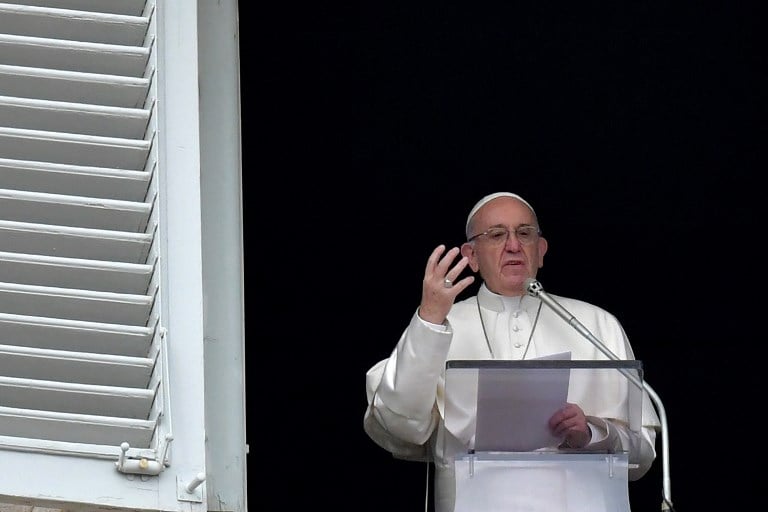
Francis told the parents that they are tasked with passing on their Catholic faith to their children, stressing that the family is where that should happen.
“The transmission of faith happens only through dialect, in the dialect of the family, in the dialect of papa and mama, grandpa and grandma,” Francis said.
“If the dialect is lacking, if in the home the parents don’t speak that language of love between the two of them, this transmission won’t be so easy, it can’t be done.”








The Times of Israel Community.