

Ruth Bader Ginsburg pens Passover piece
Feminist essay for reading at seder highlights the women of Exodus
 Add ToI as a Preferred Source on Google
Renee Ghert-Zand is the health reporter and a feature writer for The Times of Israel.
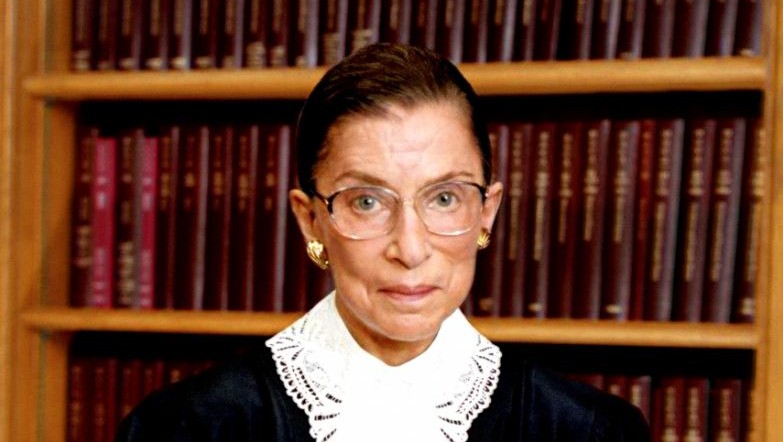
US Supreme Court Justice Ruth Bader Ginsburg has taken a break from writing legal opinions to write a feminist essay to be shared at seder tables this coming Passover.
The short piece, which highlights the role of five key women in the Exodus story, was co-written by Ginsburg and Rabbi Lauren Holtzblatt of Washington, DC’s Adas Israel Congregation for the American Jewish World Service’s Chag v’Chesed (“Celebration and Compassion”) series. The series of holiday-related essays are penned by prominent leaders to inform thinking about social justice in Judaism.
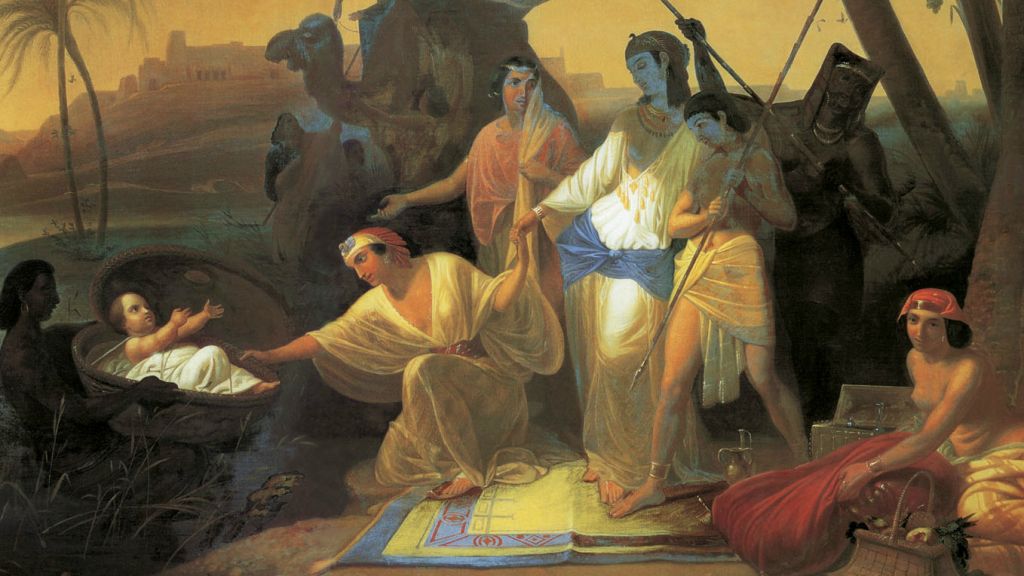
Ginsburg and Holtzblatt’s piece, titled, “The Heroic and Visionary Women of Passover,” brings to the fore the stories of Moses’ mother Yocheved, the Hebrew midwives Shifra and Puah, Moses’ sister Miriam, and Pharaoh’s daughter, who is known in the Midrash as Batya.
The women are lauded for their strength in defying Pharaoh’s decree to kill all Hebrew baby boys, and for bringing light into a situation of darkness.
“These women had a vision leading out of the darkness shrouding their world. They were women of action, prepared to defy authority to make their vision a reality bathed in the light of the day,” the authors write.
While Ginsburg offers these female biblical characters as role models, there are plenty of women and girls today who look up to the 82-year-old justice herself. A feminist icon, she is known for saying that there will be enough women on the nine-seat Supreme Court when there are nine.
Last year, Ginsburg watched as her personal anecdote was performed on a Washington stage as a song called, “As If I Weren’t There,” in a musical version of “Stars of David.”
“Certainly, her impressive career is an inspiration to women, but her song is about her as a young woman feeling that she was not able to be part of the minyan, that she didn’t count, so to speak,” the musical review’s producer Daryl Roth told the Forward at the time.
“I believe this might have been important in her choice to enter the field of law, to find and defend what is fair and what is right,” she said.
So, it’s not surprising that in her Passover essay, Ginsburg shifts the spotlight from Moses to Yocheved, Shifra, Puah, Miriam and Batya, making sure that the Exodus story told at seder tables this year counts women.








The Times of Israel Community.