

Saved from the street, an ex-lone soldier works to lend a hand to IDF vets in her shoes
Drawing on her own experience, Moriya Azulay established Lone Front to fill gaps faced by female combat troops lacking a family support system during and after their army service
 Add ToI as a Preferred Source on Google
Stav Levaton is a military reporter for The Times of Israel
A few months ago, 23-year-old Moriya Azulay resigned herself to the idea that she would have to drop out of school and give up on her dream of becoming the first person in her family to earn a university degree.
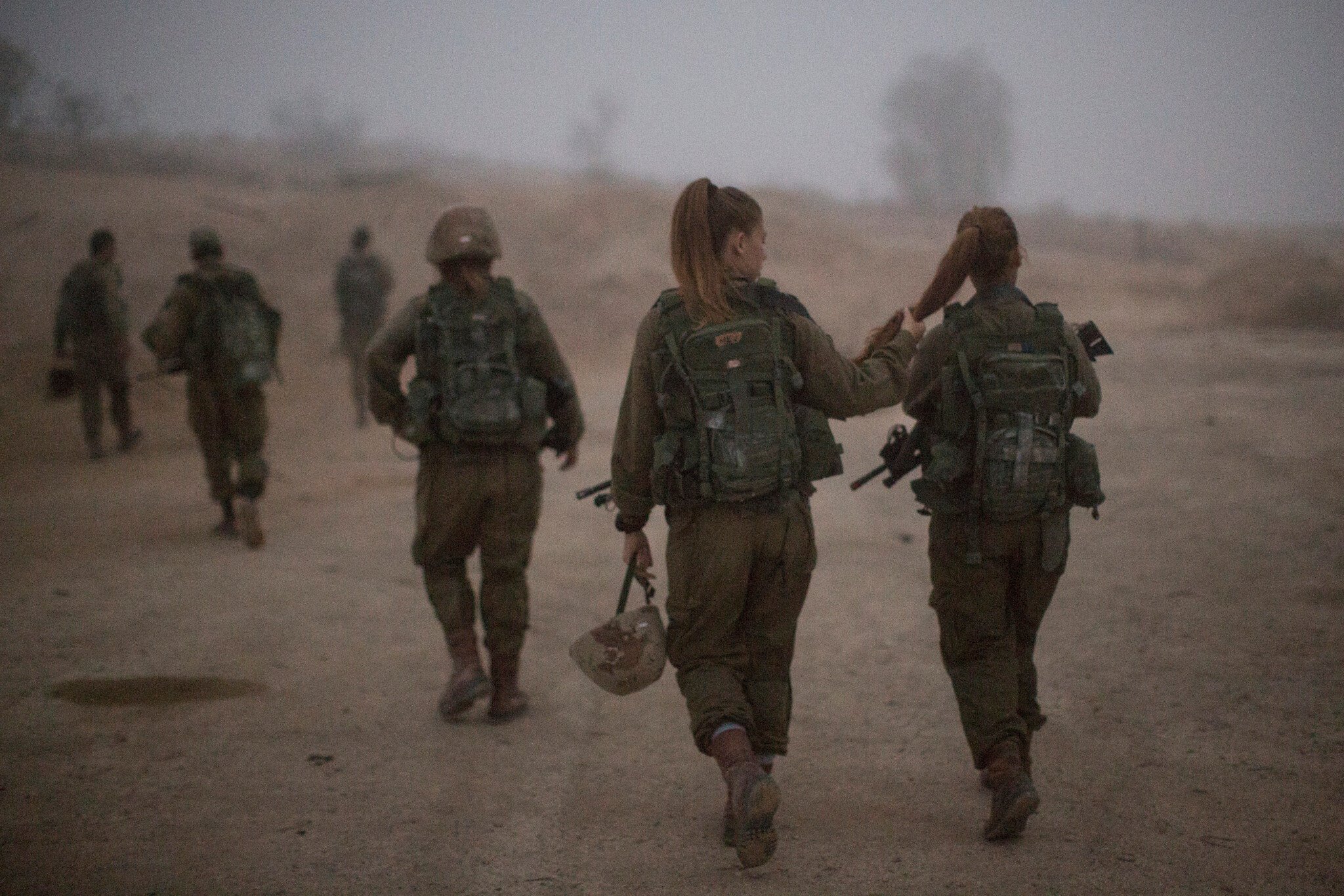
Despite family instability and economic hardship, Azulay had clawed her way into Reichman University to study government and diplomacy. Before entering, she had served as a combat soldier in the Israel Defense Forces, which recognized her as a lone soldier despite having been born in Israel, an acknowledgment of the difficulties that come with not having the family support system most other Israeli-born troops enjoy.
The military’s support structures for lone soldiers gave her a cushion to delay the full weight of the bureaucratic and financial hurdles that come with being on your own.
Once her service ended, though, that support disappeared, and the financial pressures she had managed to parry suddenly became overwhelming.
By the end of her first year at university, Azulay realized she could no longer afford to continue life as a full-time student — or even guarantee a roof over her head. But then she made a phone call.
At Reichman, she had found a mentor in Micky Aharonson, who previously served for nearly a decade as senior director of the Diplomatic Secretariat at the National Security Council in the Prime Minister’s Office.
“I called her one day and said, ‘Listen, I think I need to quit school and give up on diplomacy. I can’t afford it. In 10 days, I’m going to be homeless. I don’t know what to do,'” Azulay told The Times of Israel.
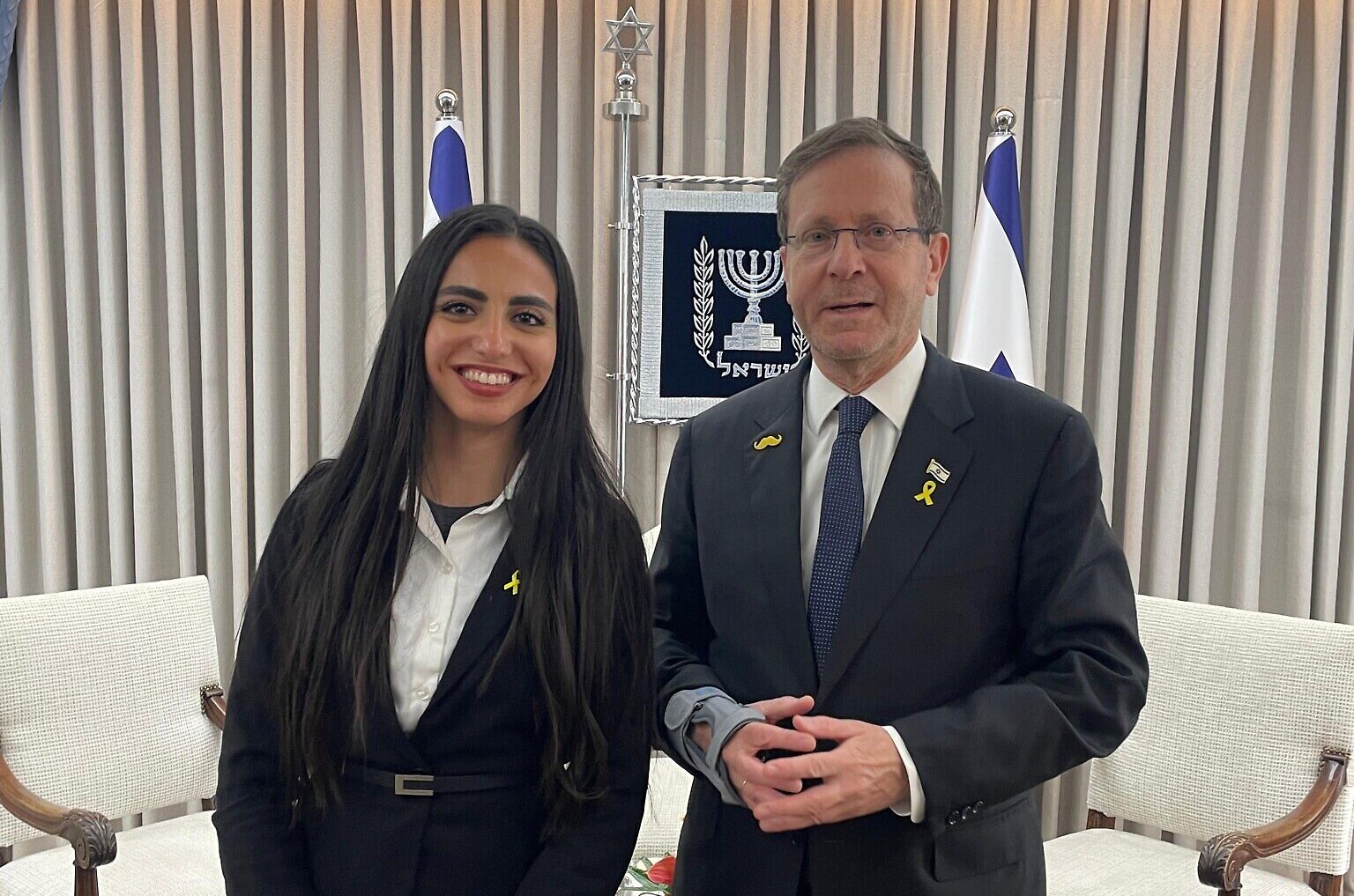
Rather than accept Azulay’s decision to quit, Aharonson decided to act, connecting Azulay with philanthropists willing to help her and others like her out.
Providing Azulay with rent help to keep her off the street and in school, the donors also supplied seed funding to establish Lone Front, a nonprofit project aimed at helping women who previously served in combat roles as lone soldiers, but who often don’t receive the same recognition as their male counterparts.
A life without backup
Israel is home to some 7,000 lone soldiers — young men and women serving in the IDF without parental support — each navigating the challenge of building a life without the safety net many of their peers take for granted. According to IDF figures, 46 percent of them are women.
Roughly half of the total are new immigrants whose parents still live abroad, while the rest, like Azulay, are Israeli-born soldiers who are orphaned, estranged from their families, or whose families have relocated abroad.
Azulay was born into an ultra-Orthodox family, but her father left when she was a year old, leaving her mother to raise three young children on her own.
The strain of that responsibility took a toll on her mother’s mental health. When she was no longer able to cope, Azulay and her siblings were taken in by their elderly grandmother, who herself was in poor health.
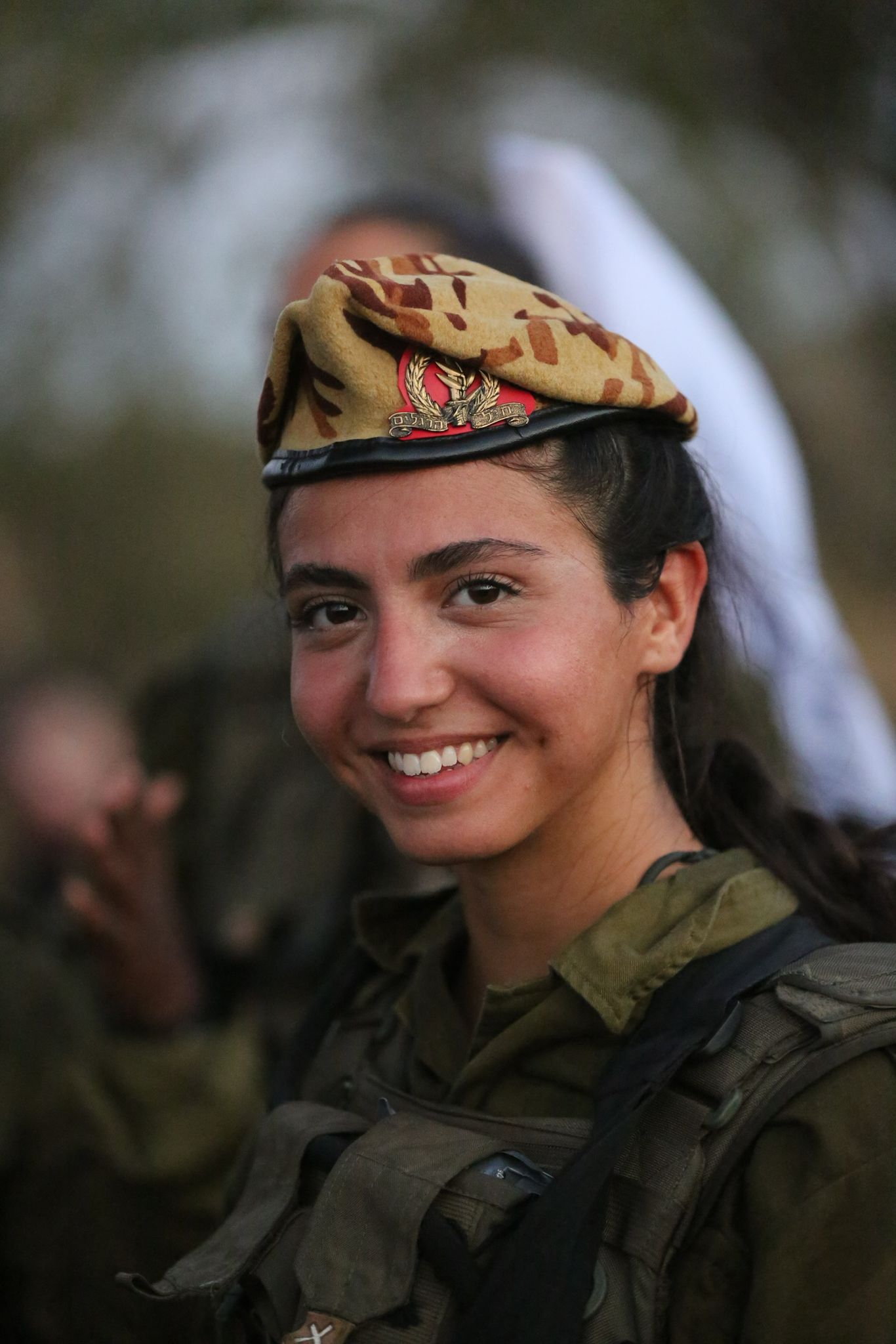
“I didn’t grow up with both of my parents,” Azulay said. “It really wasn’t an ideal childhood. But despite everything, I always wanted to serve in the army.”
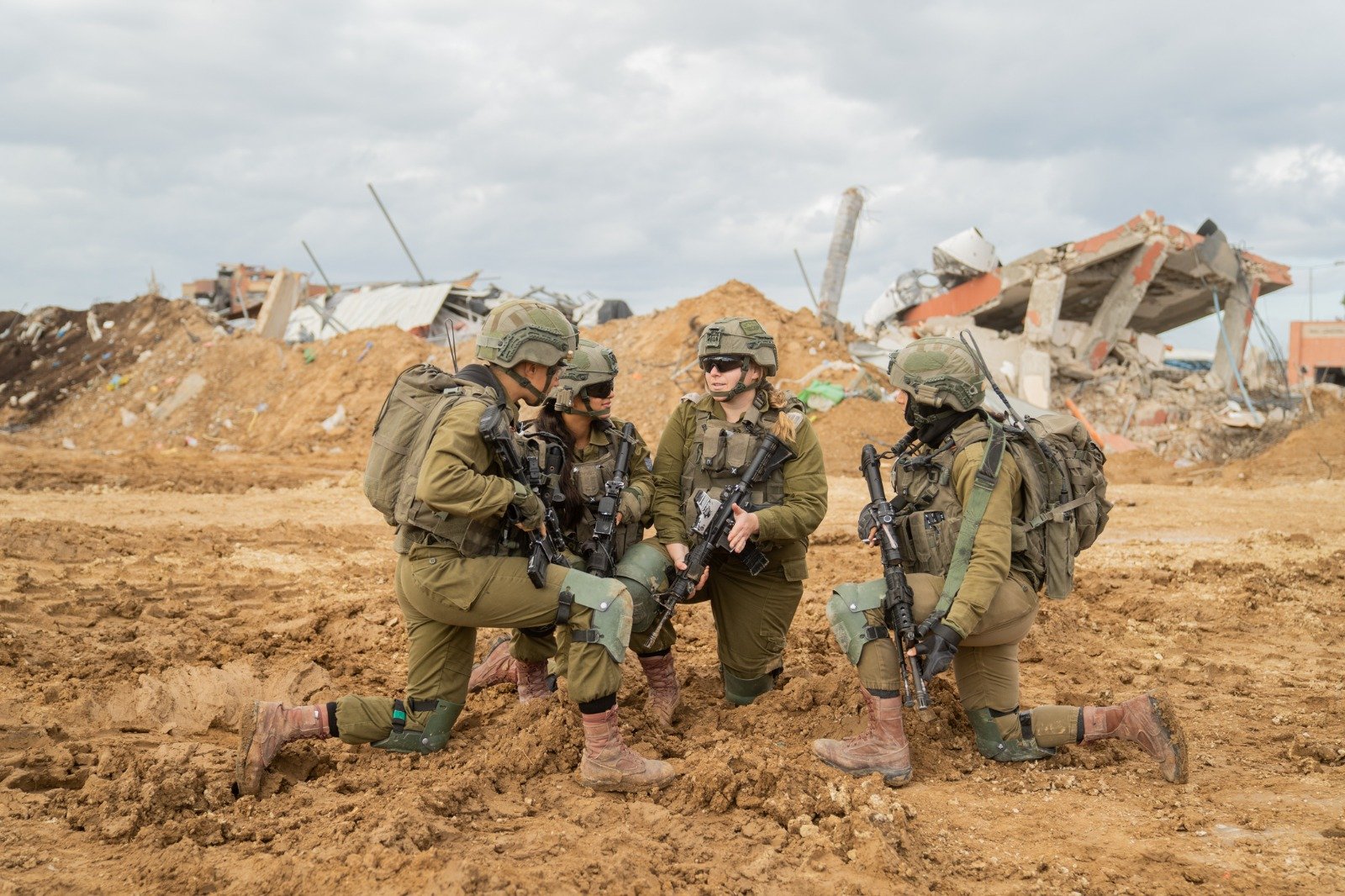
After finishing high school, she enlisted in the IDF’s Lions of the Jordan Battalion, a mixed-gender combat unit. During her service, Azulay juggled the demands of combat training and operational duty with the responsibility of helping support her mother, who had fallen into financial hardship.
Throughout her nearly three years in uniform, Azulay lived in an apartment rented by the IDF — a temporary lifeline that vanished the moment her service ended.
“The day you get out of the army, you have to leave the apartment,” she said. “I didn’t even know what job I would have, where I’d work, how to rent an apartment — it was all such chaos.”
Existing state support systems for lone soldiers after they’re released are mostly limited. These include NIS 1,000 ($314) monthly rental assistance from the Defense Ministry for a year, the option to stay at a Beit HaChayal lone soldier hostel for up to three months, and subsidized apartments designated for lone soldiers and recently discharged troops.
Azulay noted that accessing the assistance often involves a complex bureaucratic process, which is often particularly challenging for lone soldiers who immigrated to Israel and are less fluent in Hebrew.
In responses to The Times of Israel, both the Defense Ministry and the IDF acknowledged existing assistance programs but assigned responsibility for their implementation to the other body, offering no direct response to the allegations of bureaucratic difficulty.
After her discharge, Azulay managed to secure a room in one of the subsidized apartments for released combat soldiers. However, that arrangement, too, proved short-lived. When she was eventually served with an eviction notice, Azulay found herself facing the crisis that led to her life-altering call with Aharonson.
Falling through the cracks
Having served as a lone soldier herself, Azulay is acutely aware of the obstacles facing the young women she now works to support.
She noted that while many lone soldiers grapple with economic instability, bureaucratic hurdles and psychological strain during and after their service, women in combat roles encounter an additional, often invisible, layer of difficulty.
“There are still people who say, ‘I don’t believe in women in combat,'” Azulay said — a mindset she argued contributes to the systematic sidelining of female combat service and a lack of public recognition for their roles.
That disparity, she explained, is reflected not only in public attitudes but also in the support structures available after service.
Many male-only combat units — including the Paratroopers and Golani brigades — benefit from independently established nonprofit veteran organizations that preserve unit heritage, commemorate fallen soldiers, support bereaved families and maintain long-term alumni and volunteer networks.
By contrast, mixed-gender units such as the Search and Rescue Brigade and Azulay’s own Lions of the Jordan Battalion lack comparable frameworks of long-term support.
And while there are organizations that assist lone soldiers during and after their service — including Friends of the IDF and Nefesh B’Nefesh — none are specifically dedicated to female lone soldiers, or more narrowly, to women who served as lone combat soldiers.

“It’s a problem because you don’t feel appreciated,” Azulay said. “It’s not about ego. It’s about giving everything from yourself and no one knowing about it.”
The consequences of that invisibility, she added, can be deeply personal. Azulay recalled a case involving a close friend — an Israeli-born female combat lone soldier — who was critically wounded by enemy gunfire during an operation in the West Bank village of Tubas.
“No one speaks about the women who get injured,” Azulay said. “And then, people say, ‘Oh, you don’t do anything… You don’t risk your life. You don’t know what combat means.'”
According to Azulay, these attitudes are not confined to Israeli society. She said she encountered similar skepticism abroad while fundraising for Lone Front — moments she described as a stark reminder that female combat service often requires not only physical resilience but a constant effort to justify its very legitimacy.
The search for stability
Today, Lone Front remains in its early stages, supporting around 50 young women through bureaucratic guidance, mental health care and community programming that brings together female lone soldiers — a group for whom few dedicated spaces exist — to share experiences and support one another.
The organization also provides rental assistance to a small portion of participants.
If you don’t have a place to live… you can’t fulfill your purpose. You can’t think about what you really want to do. You’re stuck in survival mode.
For Azulay, securing stable housing for these young women has emerged as a central pillar of the organization’s mission.
“For people like me, a home is something that’s missing our entire lives,” she said. “If you don’t have a place to live… you can’t fulfill your purpose. You can’t think about what you really want to do. You’re stuck in survival mode.”
Beyond housing support, Azulay and her 17-member largely volunteer team provide other assistance, including recently assembling gift baskets stocked with personal hygiene and beauty products, which are set to be distributed at an upcoming event for some 500 lone soldiers.
Azulay said she views dedicating resources to female lone soldiers as an investment in Israel’s future.
“They break so many glass ceilings in their own life without any help,” she said. “I think if we invest in them, if we give them everything they need to succeed… we’re going to have the next leaders of Israel.”

When faced with her own pending eviction, Azulay could have left school and sought employment instead; juggling both would have been impossible due to the workload her education demanded and volunteer requirements that came with her scholarship.
Lacking a degree, her prospects would have been severely limited. Instead, she was able to stay in school and was recently named one of Israel’s 30 promising defense leaders under 30.
Ironically, though, while Lone Front has allowed her to stay enrolled at Reichman, running the project and frequent fundraising trips abroad have kept her from actually being able to go to school.
“I wasn’t [in school] at all this semester — not even once, not even one class,” Azulay said.
With the Lone Front continuing to grow, she’s hoping someone else can take the reins so she can go back to studying.
“I’m looking for a CEO now because I want someone with experience,” she explained.
“My entire life, I couldn’t be my age. My entire childhood, I needed to be [an adult],” she said. “I’m not complaining. I’m just saying that I think I should be 23 years old.”





The Times of Israel Community.