

Top Likud minister says early elections likely to be held in March
Gilad Erdan: ‘I don’t think we are heading in the direction of a solution’ to issue of ultra-Orthodox draft bill that is threatening to bring down government
 Add ToI as a Preferred Source on Google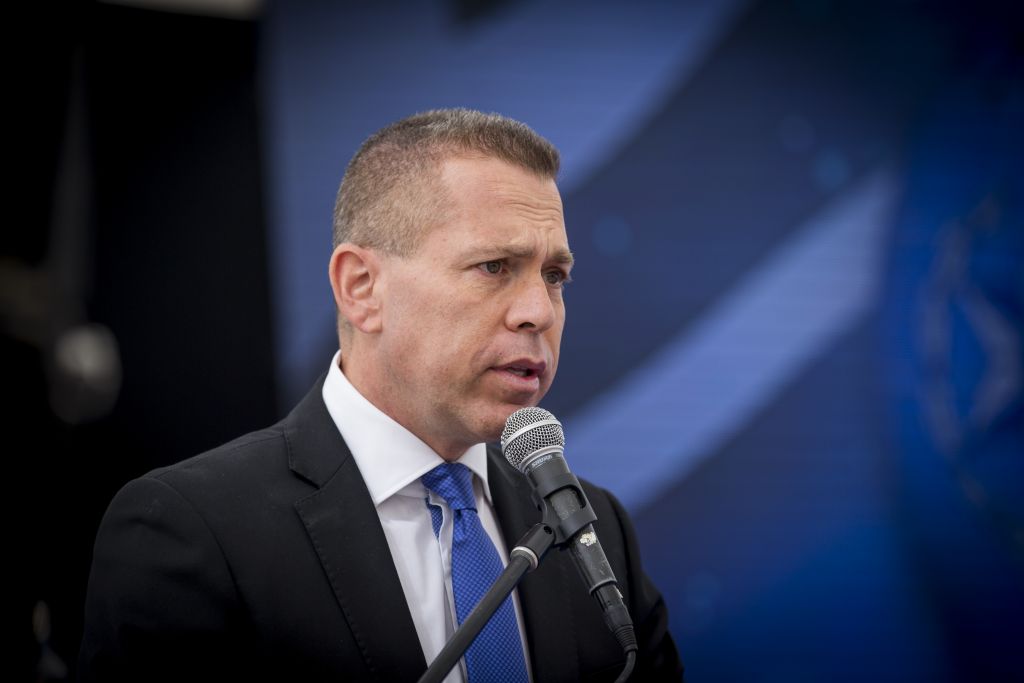
Public Security Minister Gilad Erdan (Likud) on Thursday predicted that early elections were likely to be held in March 2019 as coalition parties failed to make headway in advancing a compromise law on the ultra-Orthodox military draft.
“In my estimation the elections will be held in March,” Erdan told 103 FM radio.
Although national elections are not scheduled until November 2019, earlier this month Prime Minister Benjamin Netanyahu told fellow coalition party leaders that if the ultra-Orthodox parties don’t compromise on a military enlistment law, he will announce early elections at the beginning of September.
Erdan said that, like cutting a deal with the Hamas terror group in Gaza, the resolution of the draft law “is not only up to us.”
“I don’t think we are heading in the direction of a solution to the matter,” he said.
Earlier this month, Netanyahu told the top ministers, “We have to know where [United Torah Judaism party head Yaakov] Litzman stands on the draft issue. The ball is in Litzman’s court. If the ultra-Orthodox parties want to reach a compromise, we can get through this. We have to find out if they want that.”
At that cabinet meeting, those in attendance — including Jewish Home chief Naftali Bennett, Kulanu leader Moshe Kahlon, Shas’s Aryeh Deri and UTJ MK Moshe Gafni representing the party — agreed that if an agreement could not be reached on the draft bill by the next cabinet meeting, they would at that time set the date of the next election. The next cabinet meeting is set for the beginning of September.
The catalyst for the ultimatum of early elections was a recent High Court of Justice ruling that granted only a three-month extension on a deadline it had set for the state to pass legislation on the issue. The state had requested a postponement of seven months from the original September deadline, but was granted less than half of that.
“After considering this matter, we decided to partially respond to the request and postpone the date… so that it will take effect on December 2, 2018,” the court said in its ruling.
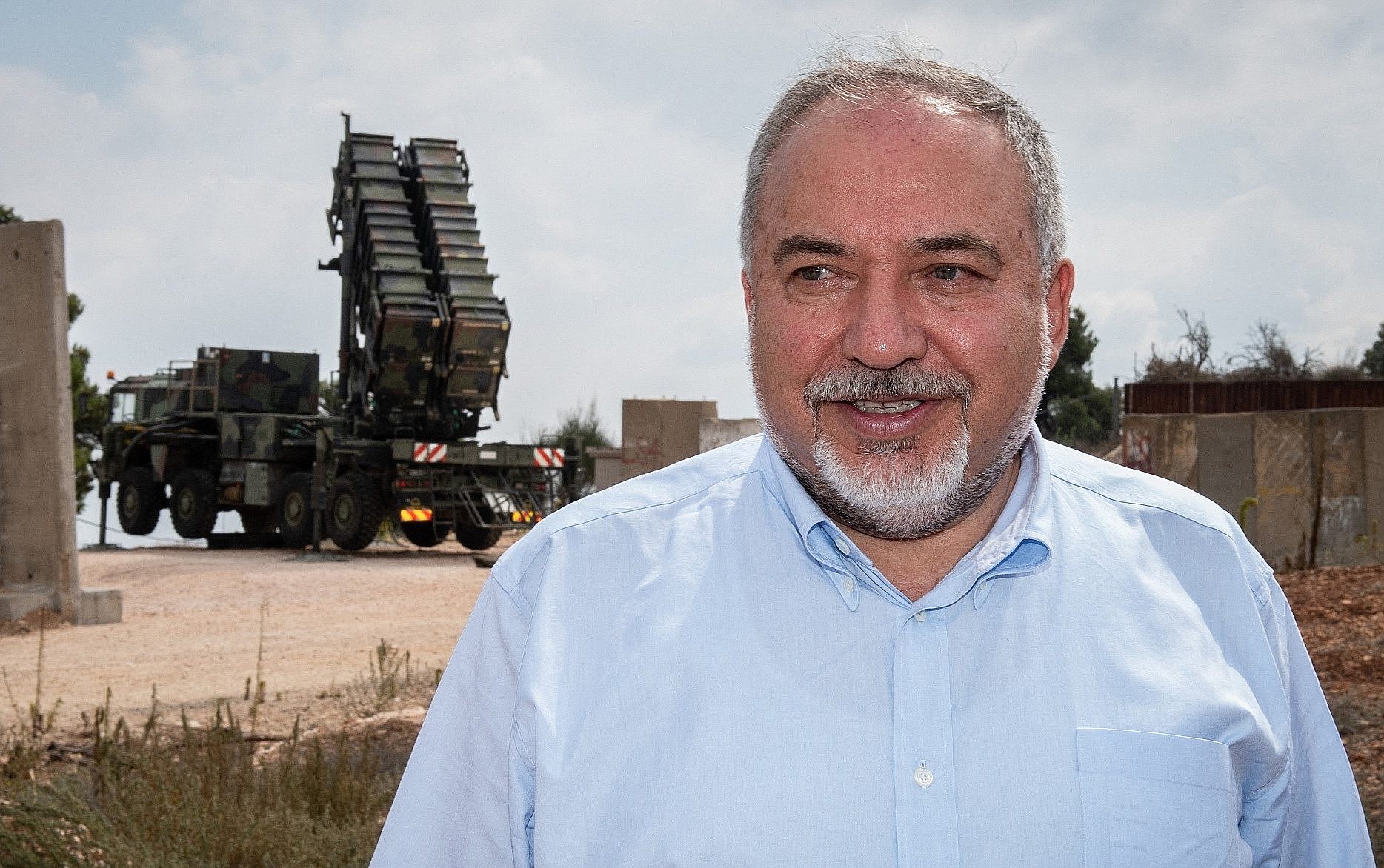
In the days following the court ruling Netanyahu held private meetings with both Litzman and Defense Minister Avigdor Liberman to try and reach a compromise.
In the past Liberman has said he would not support any changes to the current proposal.
If the ultra-Orthodox parties left the coalition the government would not have a majority, forcing Netanyahu to either bring opposition parties into his government or head to new elections.
Litzman said he did not want early elections but thought a compromise unlikely. However, he said, the rabbinic leaders of his community would make the decision on how to respond to the ultimatum.
“Approving a corrected draft bill was one of the central matters which formed the basis of the coalition and the present government,” he said earlier this month, according to the Ynet news site.
“We have no interest in elections but we will not be able to compromise on something as essential and fundamental as protecting the status of our seminary students who learn Torah full time. The various suggestions will be brought to the Council of Torah Sages to decide on the matter. Whatever they tell us is what we will do,” he said.
The current version of the draft bill sets the target for ultra-Orthodox recruits for 2018 at just below 4,000 recruits with that number increasing by 8 percent per year for three years, 6.5% for the three years after that and 5% for a further four years. If 95% of the targets are not met, sanctions in the form of cuts to state funding allocated to ultra-Orthodox yeshivas would be put in place, increasing each year the targets are missed.
The bill was approved in its first parliamentary reading in July, just ahead of the Knesset’s summer recess.
The issue of ultra-Orthodox enlistment has long been a contentious one in Israel, revolving around a decades-old debate as to whether young ultra-Orthodox men studying in yeshivas should be called up for compulsory military service, like the rest of Israel’s Jewish population.








The Times of Israel Community.