

Throwing a cog into coalition talks, Liberman has the last laugh
Netanyahu’s partner-turned-rival has put the PM in a bind — forcing Herzog out of the picture while undermining the government’s negotiating position for the future
 Add ToI as a Preferred Source on Google
Marissa Newman is The Times of Israel political correspondent.
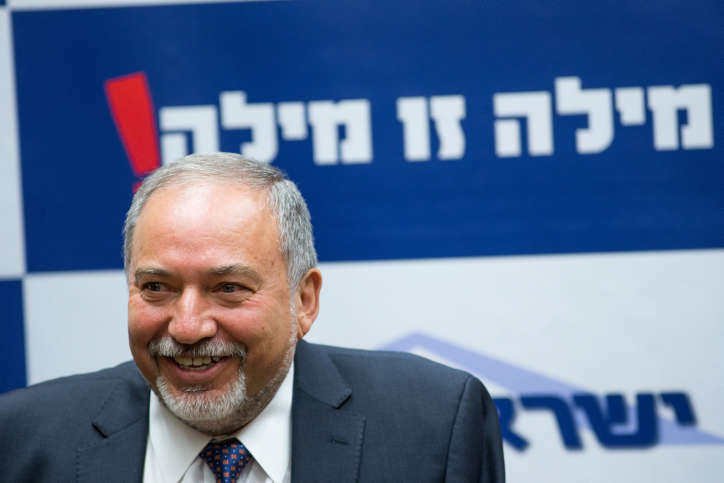
Just as Prime Minister Benjamin Netanyahu appeared to have the upper hand in the coalition talks — with opposition leader Isaac Herzog seemingly eager to join at whatever cost — along came partner-turned-rival Avigdor Liberman.
The hawkish Yisrael Beytenu leader on Wednesday slyly undermined the premier, calling a press conference to assert that Netanyahu never approached him with an offer, and maintaining he was willing to join if his demands — namely the Defense Ministry, and coalition support for the death penalty for terrorists — were met.
Within an hour, Likud MKs lined up to urge the prime minister to talk to Liberman and Netanyahu invited him for a meeting, even as sources close to the prime minister insisted that the negotiations “don’t close the door to the Labor party,” with which discussions of a unity government have been ongoing for months, apparently.
Nonetheless, a short while later, Herzog, who seemed set to announce a coalition deal at any moment in a last-ditch effort to salvage his political career, instead issued an ultimatum: It’s Liberman or Zionist Union, but I won’t continue to talk until Netanyahu decides.

Hence Netanyahu’s dilemma: Before he pivots to the left and includes Zionist Union in the coalition, his own party is insisting he exhaust efforts to include Liberman, the “natural partner” in the government, and convince right-wing lawmakers that Yisrael Beytenu spurned his offers, leaving him with no other choice.
In the interim, and regardless of the outcome, Liberman can credit himself with a double victory. The first, inserting a wedge between Netanyahu and Herzog as the latter returns, shame-faced, to confront the fallout of the negotiations in his deeply fractured party. The second, if Yisrael Beytenu talks crash and burn, Netanyahu — for whom Liberman does not conceal his disdain — will return to the negotiating table with Herzog in a weaker position than before.
Fighting over defense
On Sunday, Netanyahu urged Liberman to “leave Zoabi and join the government,” alluding to Joint List MK Hanin Zoabi, a constant target of derision from Liberman. The former foreign minister rejected the call as “spin.”
Then, on Tuesday night, Channel 10 reported that Liberman was offered the defense minister post plus coalition backing for a bill to impose the death penalty on terrorists, but he turned it down.
The offer was nothing but political spin from the Prime Minister’s Office, responded sources close to Liberman. The leaked Channel 10 report indeed seemed unlikely to have come from the Yisrael Beytenu leader, who is suing the station for defamation, and may have been an effort to apply pressure on Netanyahu’s other fresh ally-turned-critic: Defense Minister Moshe Ya’alon.
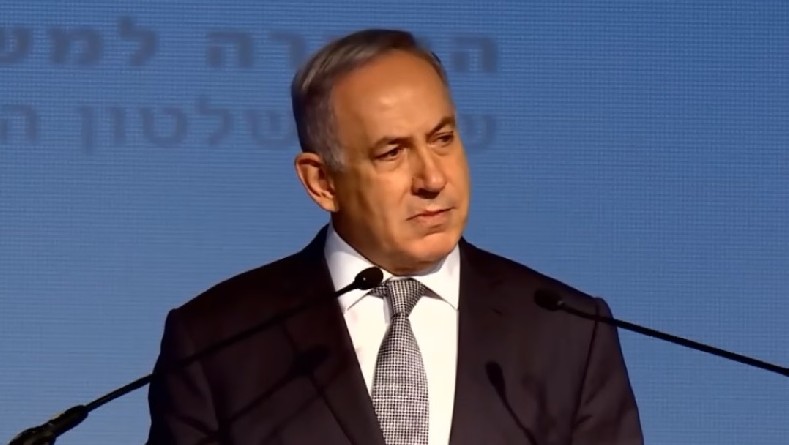
But despite the public row with Ya’alon over morality in the IDF, Netanyahu will likely be reluctant to oust his long-serving defense minister from his position and replace him with the No. 1 critic of the government’s conduct during the 2014 Gaza war and the recent terror wave.
Differences over defense were what led to the split between Netanyahu and Liberman in 2014; appointing him defense chief — though perhaps a political Band-Aid — appears to be a recipe for coalition instability. And the prime minister would be hard-pressed to support the death penalty for convicted terrorists — a measure he ordered his Likud lawmakers to oppose in July 2015 and which then-attorney general Yehuda Weinstein indicated he would torpedo.
Which leaves the prime minister, who is doggedly trying to expand his coalition, with a couple of options: reach a compromise agreement with Liberman, perhaps one that includes lip service for the death penalty while giving Attorney General Avichai Mandelblit the dirty job of disposing of it; or drop Liberman, while insisting in a furious media campaign on the Yisrael Beytenu leader’s obstinacy.









The Times of Israel Community.