

A brave voice from Russia: Dr. A on the national mood, his work, the loss of freedom
Speaking to ToI despite the threat of prison time for criticizing Russia, a Jewish physician discusses life, medicine, and the future, in a country yet to internalize its isolation
 Add ToI as a Preferred Source on Google
David Stromberg is a writer, translator, and literary scholar based in Jerusalem. His nonfiction has appeared in The American Scholar, Literary Matters, and Speculative Nonfiction, and his fiction in The Woven Tale Press, Atticus Review, and the UK’s Ambit. He most recent book is A Short Inquiry into the End of the World and his edited collection of Isaac Bashevis Singer’s essays is forthcoming from Princeton University Press.

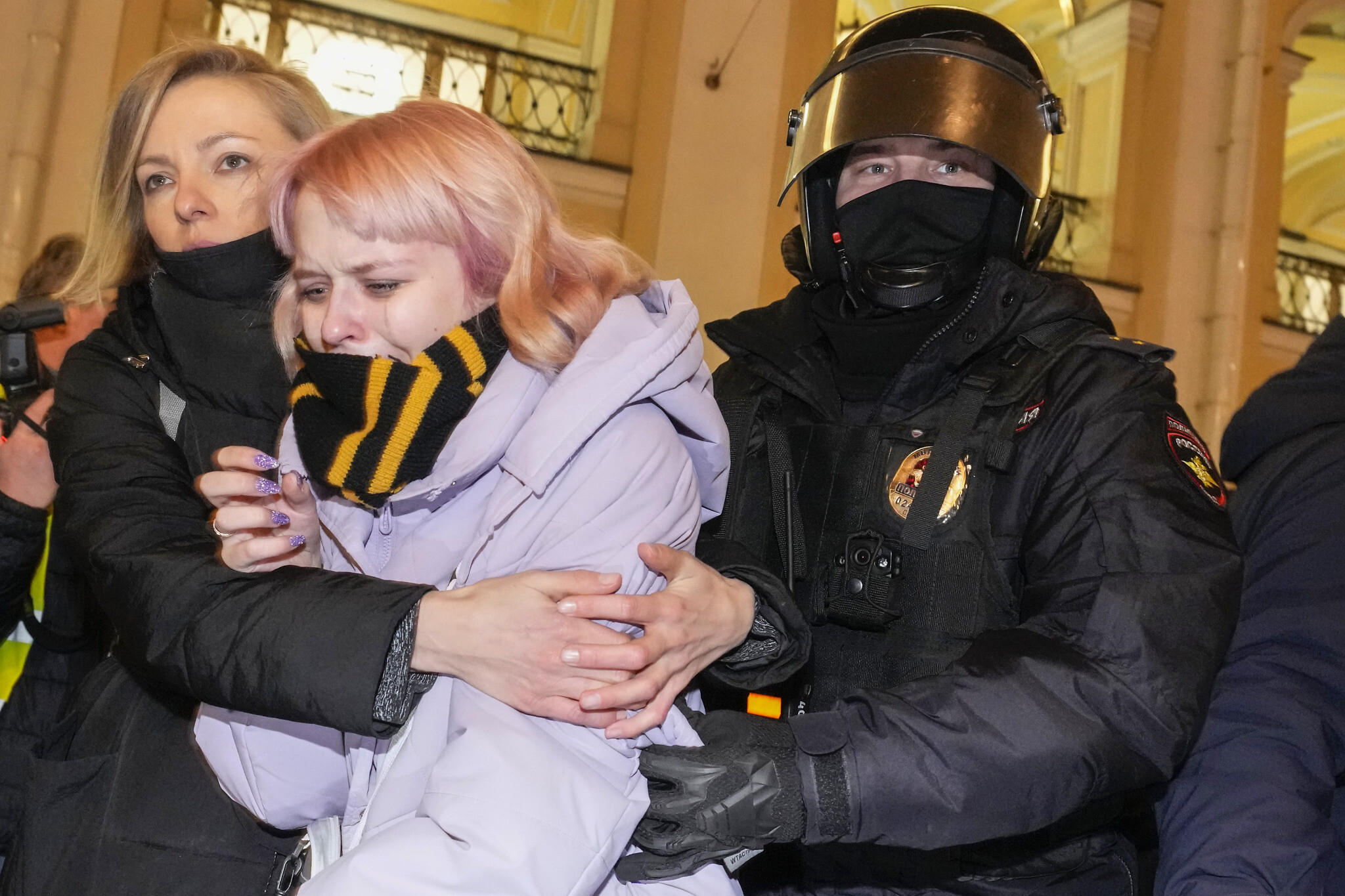
As the Russian government continues to clamp down on its citizens’ free speech and dissent, a Moscow physician cautiously agreed to speak with The Times of Israel about life in the capital following Russia’s military invasion of Ukraine.
Due to the increasingly draconian measures being implemented, he requested to be referred to simply by the initial “A,” and would not allow the publication of his first name, age, or any information that could potentially identify him in any way. What would be considered paranoia in most Western countries has become the norm for Russian citizens today.
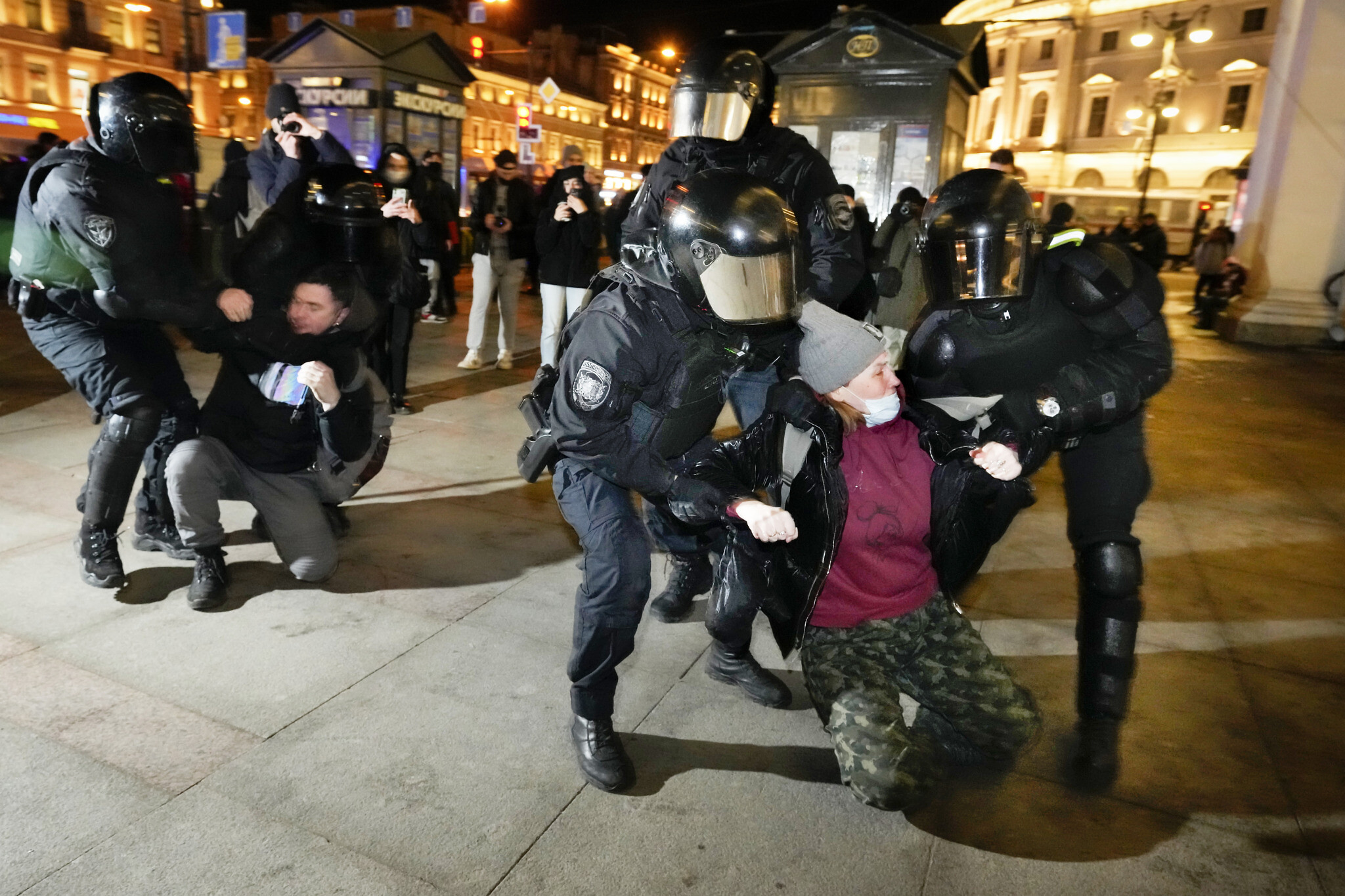
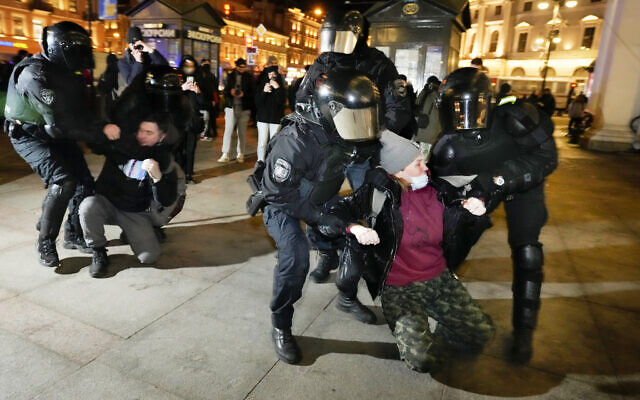
On March 4, 10 days after Russia began its February 24 “special military operation” in Ukraine, the country passed a law aimed at censoring its citizens that assigns a maximum fine of 1.5 million rubles (around $14,500) and a prison sentence of up to 15 years for the crime of spreading what the Kremlin deems “false information” about the war.
The law was extended on March 22 to include comments on “all Russian state bodies operating abroad” in a measure that The New York Times calls “the toughest crackdown on dissent during President Vladimir V. Putin’s 22 years in power.”
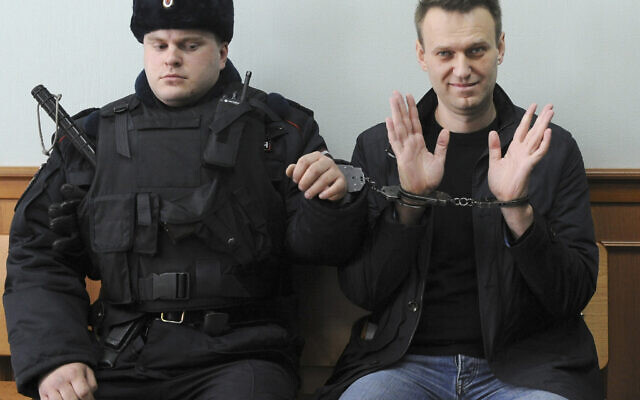
Under this new amendment, opposition leader Aleksei Navalny, who is already imprisoned, was sentenced to an additional nine years for sending letters to his lawyers that were later posted on social media.
Many Russians are now afraid of speaking about what they really see or think, when simply calling the invasion of Ukraine a “war” could lead to both fines and jail time.
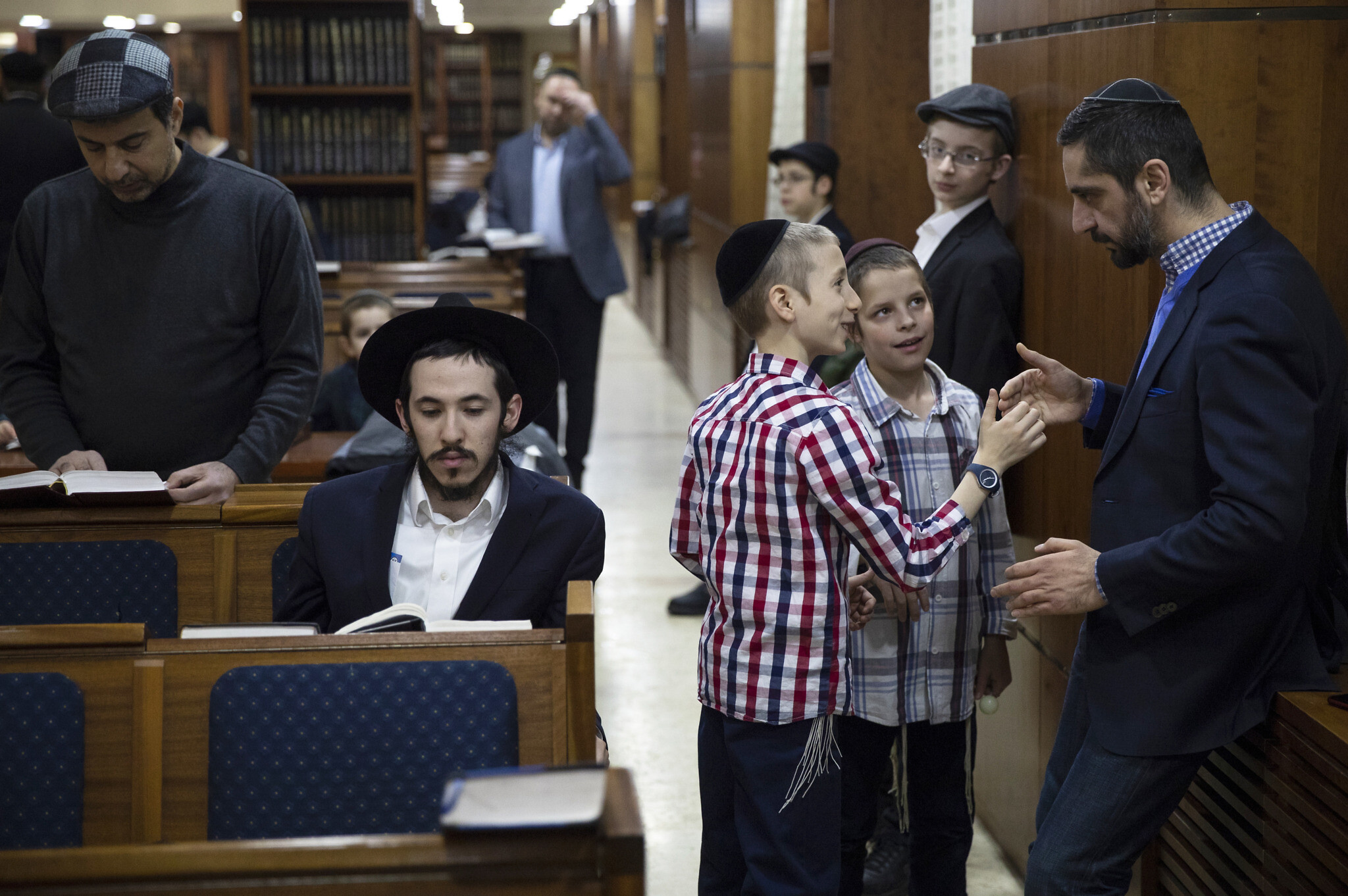
In conversation with The Times of Israel, Dr. “A” reflects in broad terms on what he sees unfolding in Russia today, the dramatic shift to the country’s historical trajectory since the fall of the Soviet Union, and the long-term implications of Russia’s increasing isolation, especially in the field of medicine. As a member of his Jewish community, he also reflects on the choices and considerations with which Jews are faced in Moscow.
The conversation took place in Russian and English, and has been edited for clarity.
What are your impressions about what is now happening in Russia?
For many people like me who had a chance to experience the Soviet Union and, in the early 1990s, felt a kind of freedom, there is now a deep sense of disappointment. They haven’t just put us back in Soviet times. They’ve taken us into a period of a sort of “non-time.”
We had bank accounts that worked abroad. We were in contact with colleagues in other places. We could travel, we could take part in interesting projects. We had an opportunity to build our lives with some freedom. And suddenly it has all collapsed.
Has this changed your Jewish community life at all?
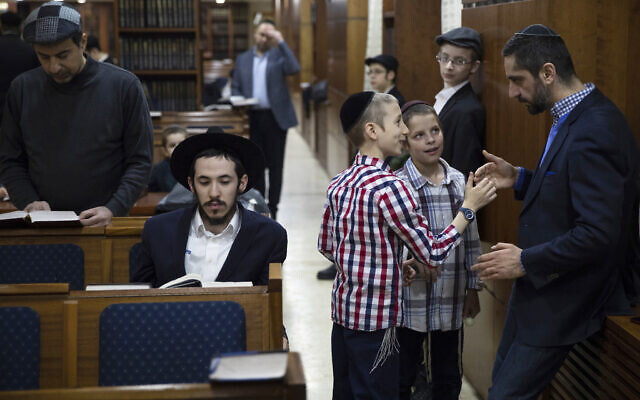
Nothing special is happening more to Jews than others. Except that many of those with Israeli citizenship are leaving. If you look at the members of our community, 60 to 70 percent are staying, and roughly 30% have left or are leaving. But Jewish communal life — Shabbat, holidays, studying, lectures — it all continues.
How does this affect your professional life?
I’m a physician. Since the 1990s, I’ve tried to bring contemporary medicine to Russia. I studied in the United States and in Europe. Everything that was new, I brought here. I learned abroad, I took part in professional meetings, I was part of international physicians’ associations. I wanted to bring medicine in Russia up to a global standard. Now there’s the feeling that all these years were spent for nothing.
In my case, there’s an incredible amount of time and effort that’s turned out not to be relevant here. It’s as if Russia didn’t want to have modern medicine. For modern medicine to work, you need freedom, you need to allow people to communicate, you need a relationship with the West, since medicine is developed in the West and not here. I’m talking about medication, techniques, equipment.
This special military operation has unfortunately liquidated these opportunities. What I’ve worked for during the last 30 years is simply not realistic to maintain now. It will be difficult to get supplies, even parts. The healthcare system will suffer — or it will completely fall apart.
What effect will this have on the average Russian? And how are people reacting to this?
Russian people’s lives will become worse. But people react differently. Everyone understands that there will be a deficit of medication. Medical equipment will no longer work. Yet a part — the majority — of the population is ready to go through these difficulties because they support the government. Others hope this ends as quickly as possible and that it will be possible to go back to cooperating with the West. Very few protest.
So there’s no general sense of outrage at the consequences of Russia’s invasion?
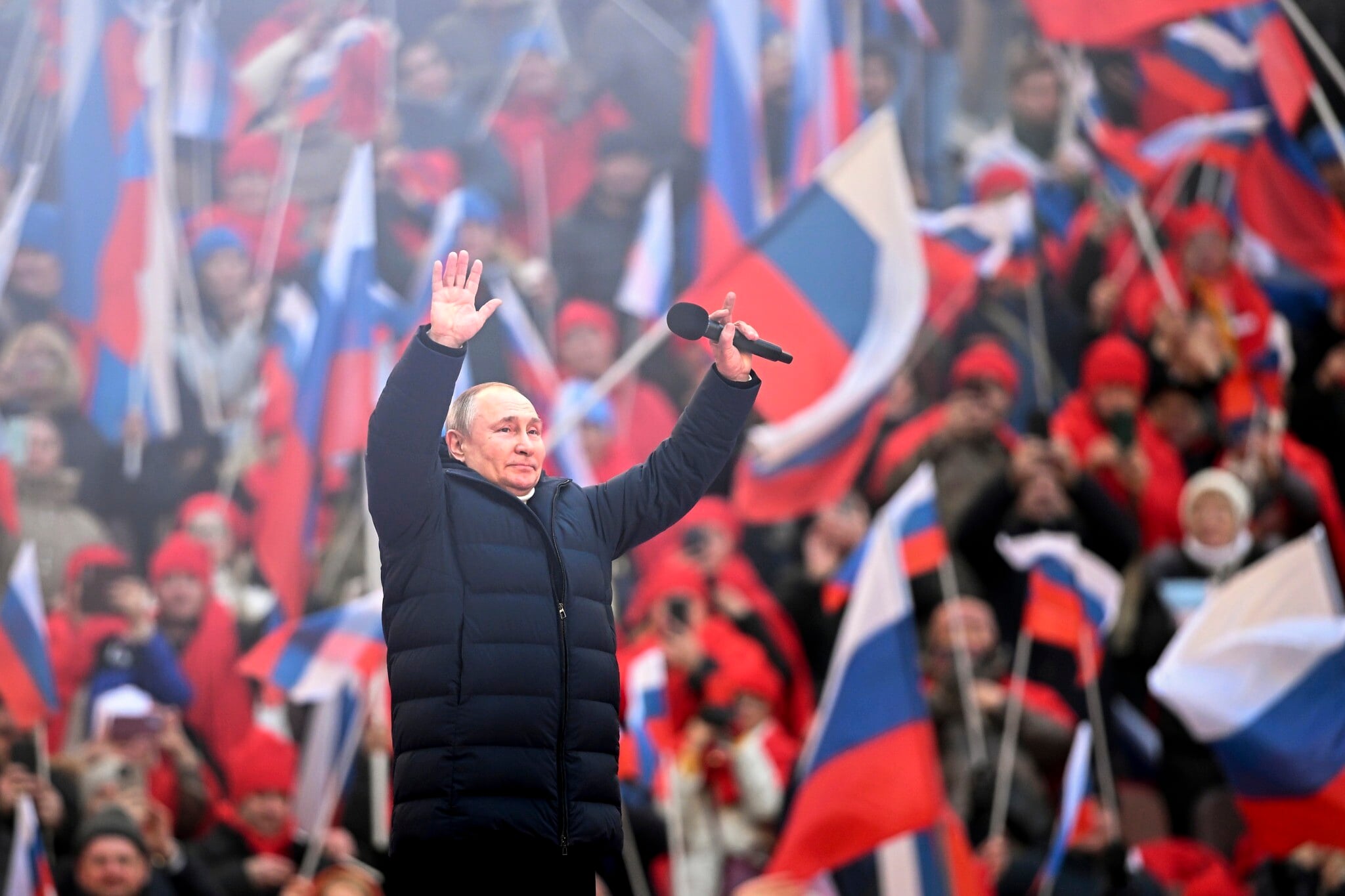
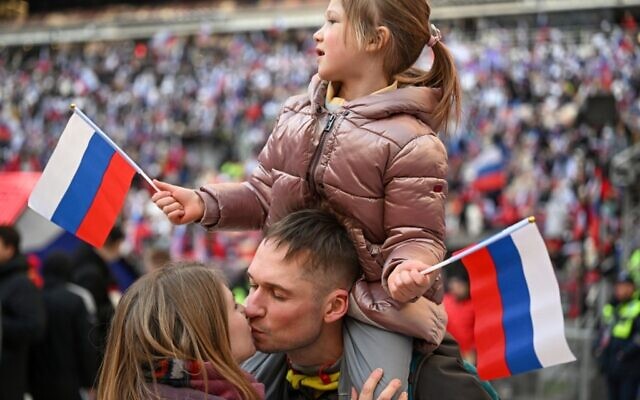
Many people feel lost — but not the majority. I’d say that about 10 to 15% are leaving the country: They’re going to Israel, to Europe, anywhere. The majority of people — 50 to 60% — are supporting this. They say that this is a hard time, but I’m ready for it.
Do you think this attitude will be sustained in the long run?
I think that when people start facing real shortages in food and medication they will change their minds. But for now they don’t realize the real scale of the problem. They need more time to understand what’s really happening and where Russia really is in the global sense — that Russia doesn’t have an economy or a capacity to maintain normal life, that Russia is isolated.
How will this play out on the ground?
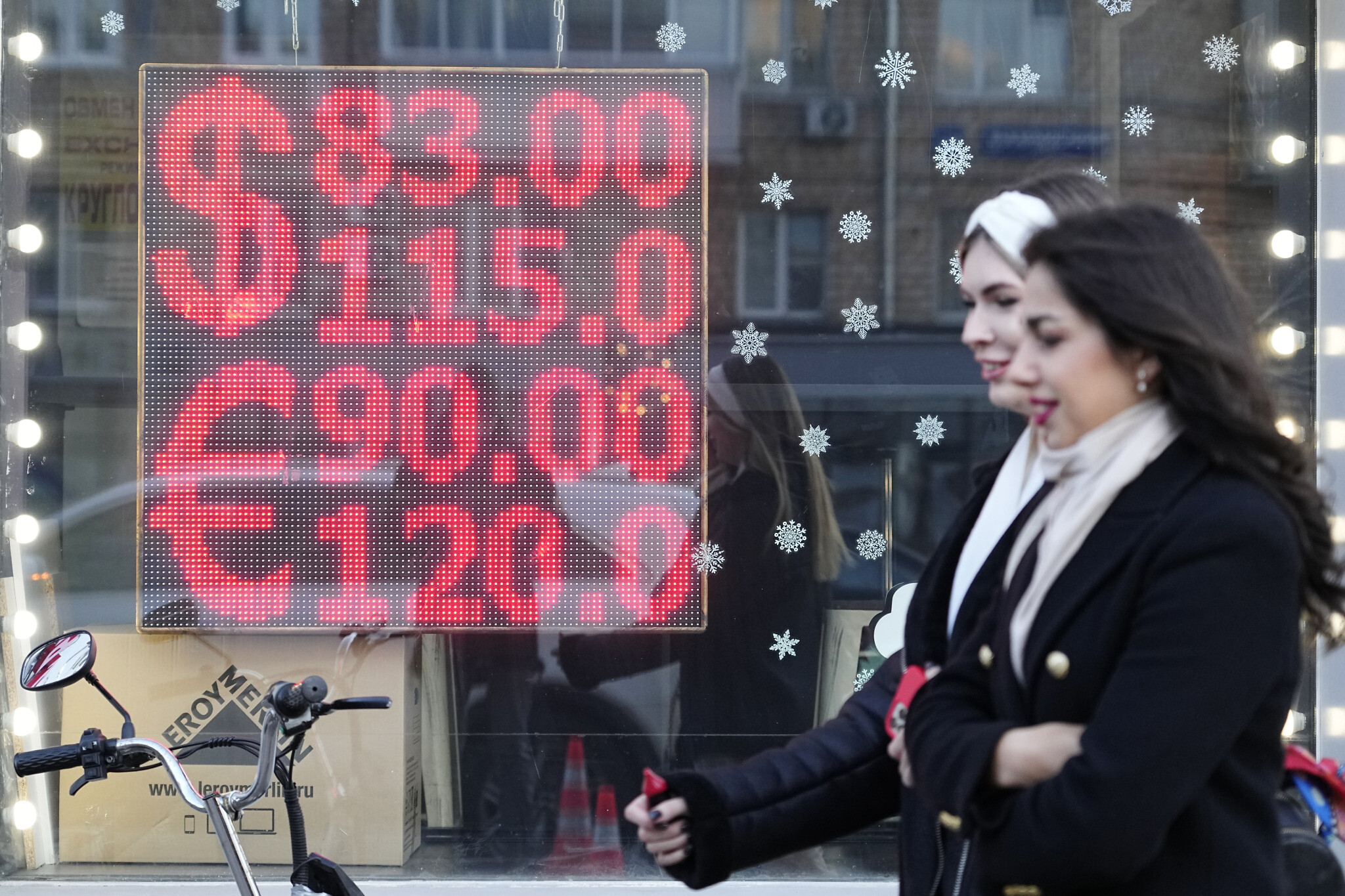
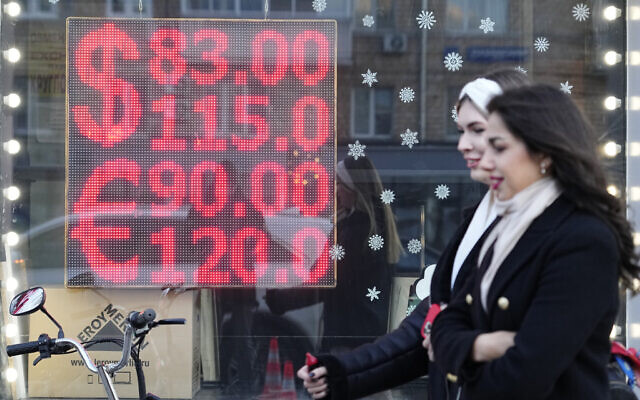
We don’t produce anything in Russia — it’s all imported. For example, white dye for printer paper is almost entirely imported from the West, so now we can’t even produce printer paper. We don’t produce any of the chemicals used in medication. There are no microchips. Vehicle production has stopped. There’s a total end to all modern supplies — with no national production. And while prices have risen enormously, incomes remain the same. The expected inflation this year could be close to 20%. All prices have already increased for food. Life is getting much harder.
Are you considering immigrating to Israel?
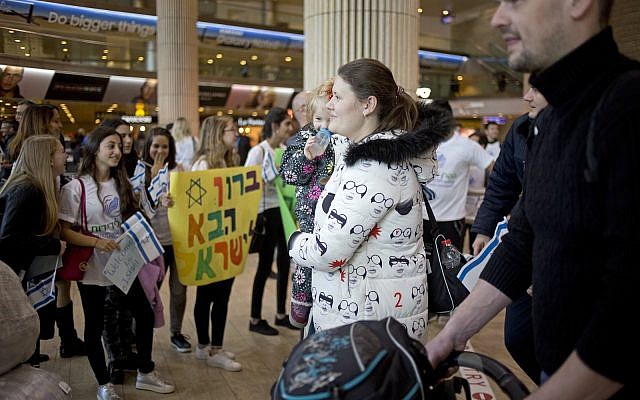
For many years I put off applying for Israeli citizenship. Now there’s no doubt: I’ve sent in my documents. This is a situation where you might have to leave the country at any moment and it’s good to have the option. There could be a moment when you can’t do anything — when the situation is completely against you and it’s a matter of safety for you and your family — and at that moment you have to be able to leave.
So why are you still in Russia?
For a medical professional, it’s not an easy choice. For most people, there are two choices, either leave the country or stay. But if everybody leaves, nobody will be left to restore life to what it was. Nobody but us can return the country to normal life. And our duty, I think, as citizens, is to overcome all of these difficulties, to continue working, and to return the country to normal.
Do you think that’s possible?
I think so. People are still confused. They haven’t yet realized the full scale of the problem. And then there’s also a split between support for now, and believing that change can still happen.
So all hope isn’t lost?
It’s a matter of common sense. The norm should return. There should be normal development. At least we hope so. But sometimes history works in the opposite way. Nobody really knows.


The Times of Israel Community.