

As college hoops returns, boosters say golden age of Jewish coaching just tipping off
Three of four coaches in last year’s Final Four were Jewish, but it was an up-and-comer from a D-III school who won Red Auerbach honors, and more are in the pipeline as well
 Add ToI as a Preferred Source on Google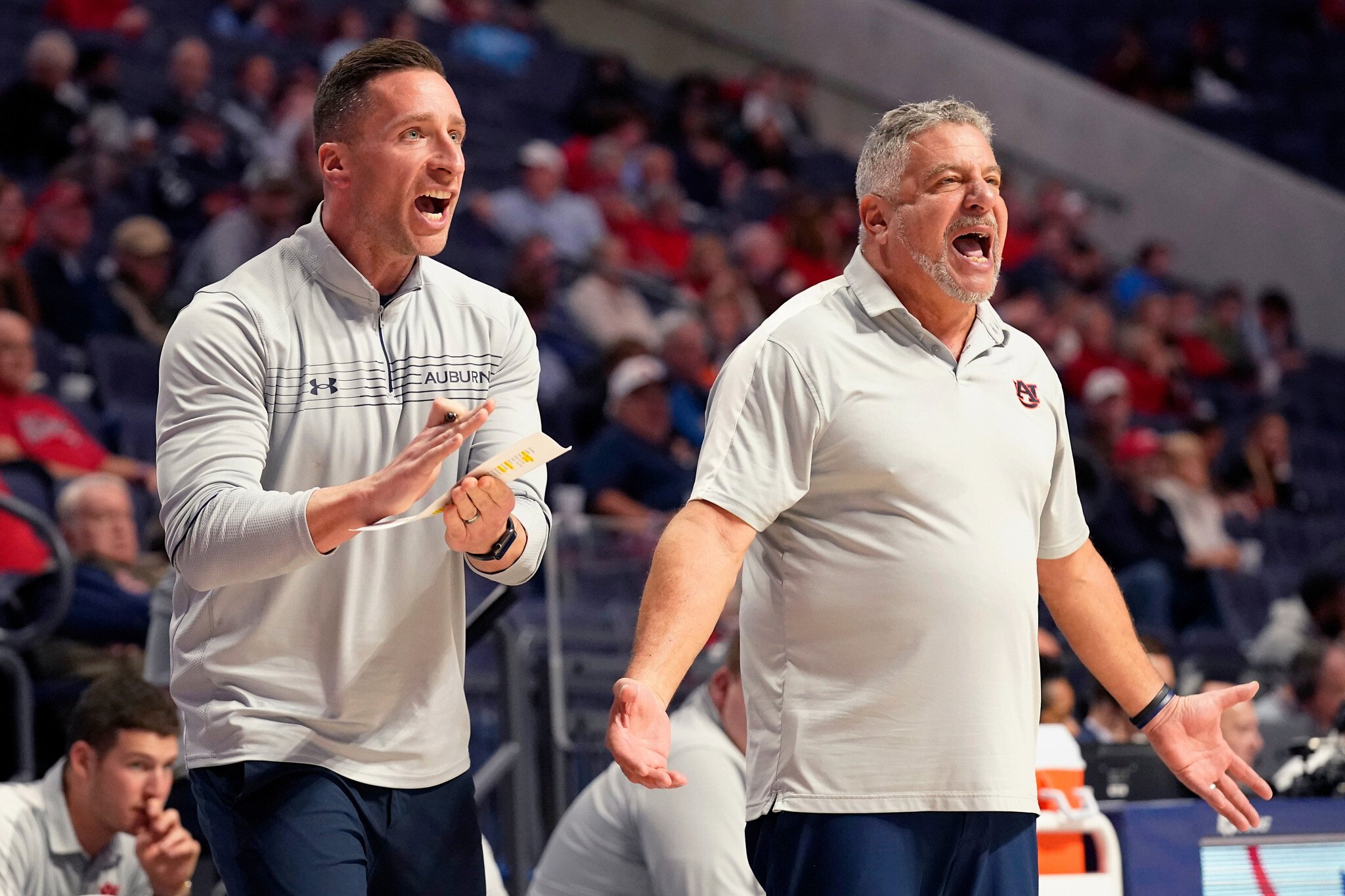
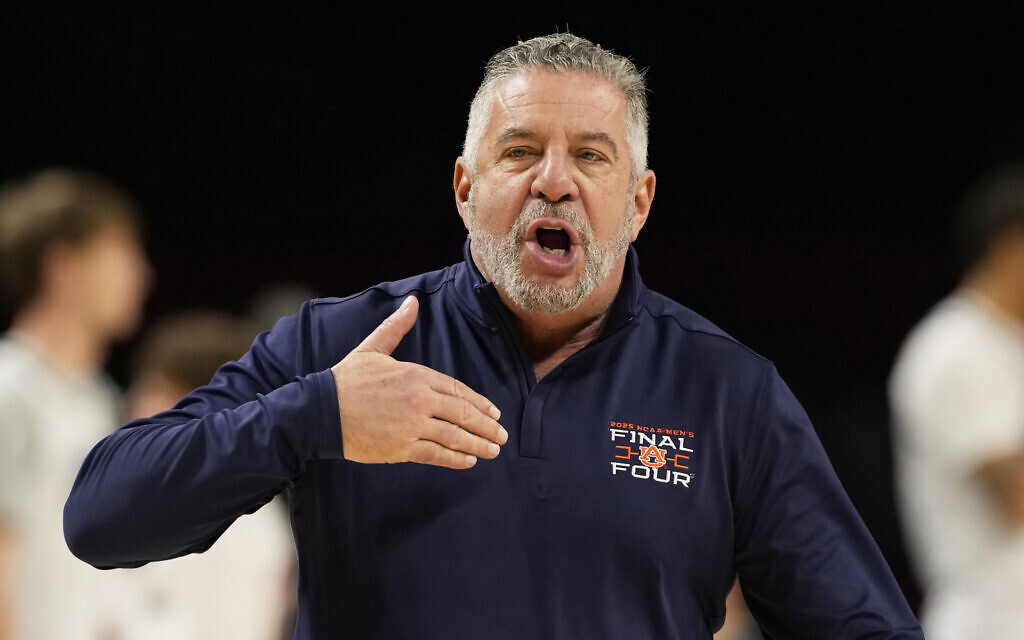
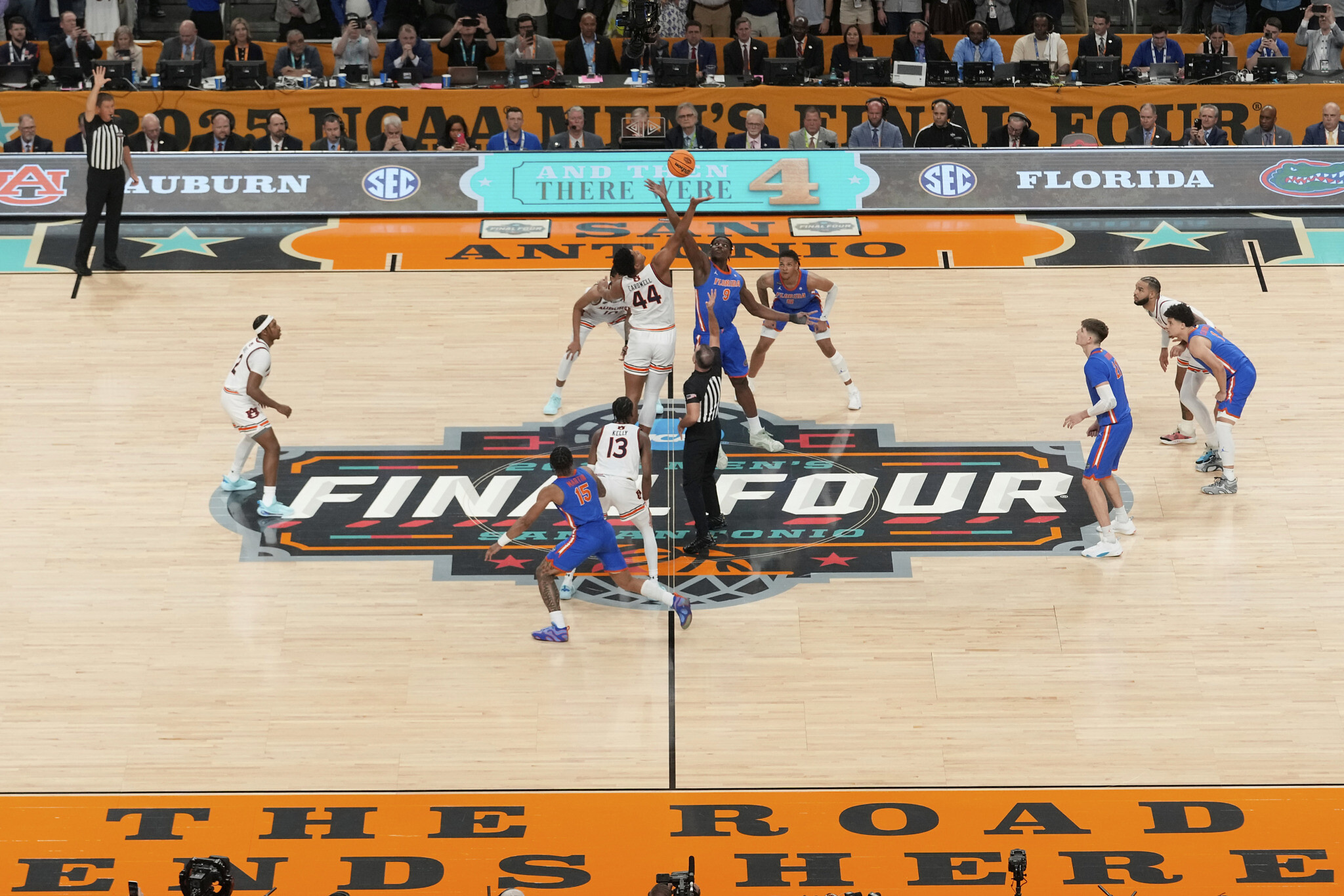
Fans of NCAA basketball might be forgiven for thinking that the peak Jewish moment in college hoops history occurred on April 5, when Auburn’s Bruce Pearl and Florida’s Todd Golden faced off in the Final Four.
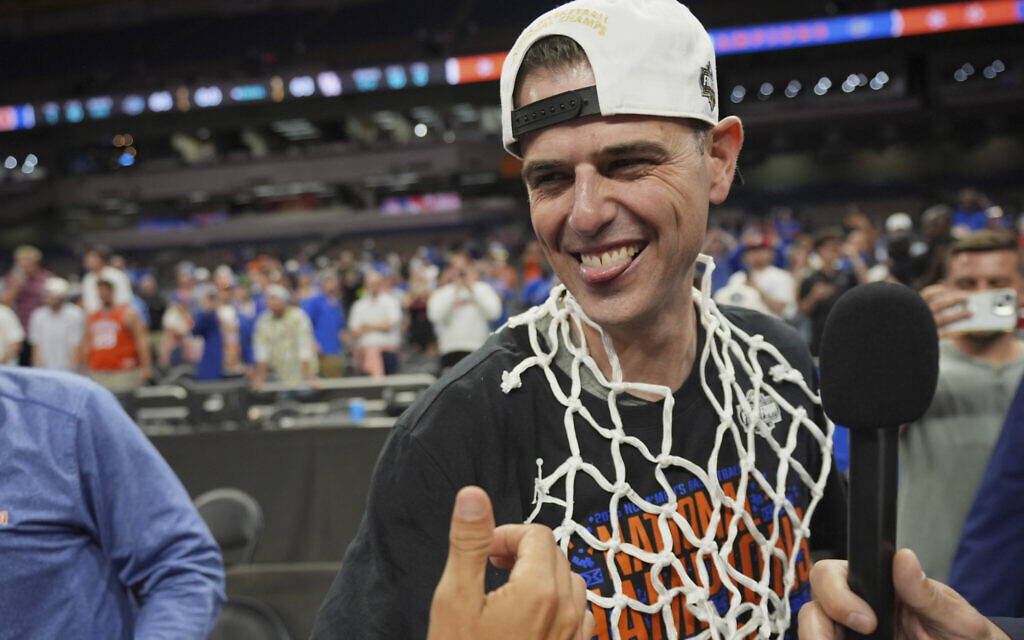
Or maybe it took place two days later, when Golden became the first Jewish coach to win the championship in more than three decades.
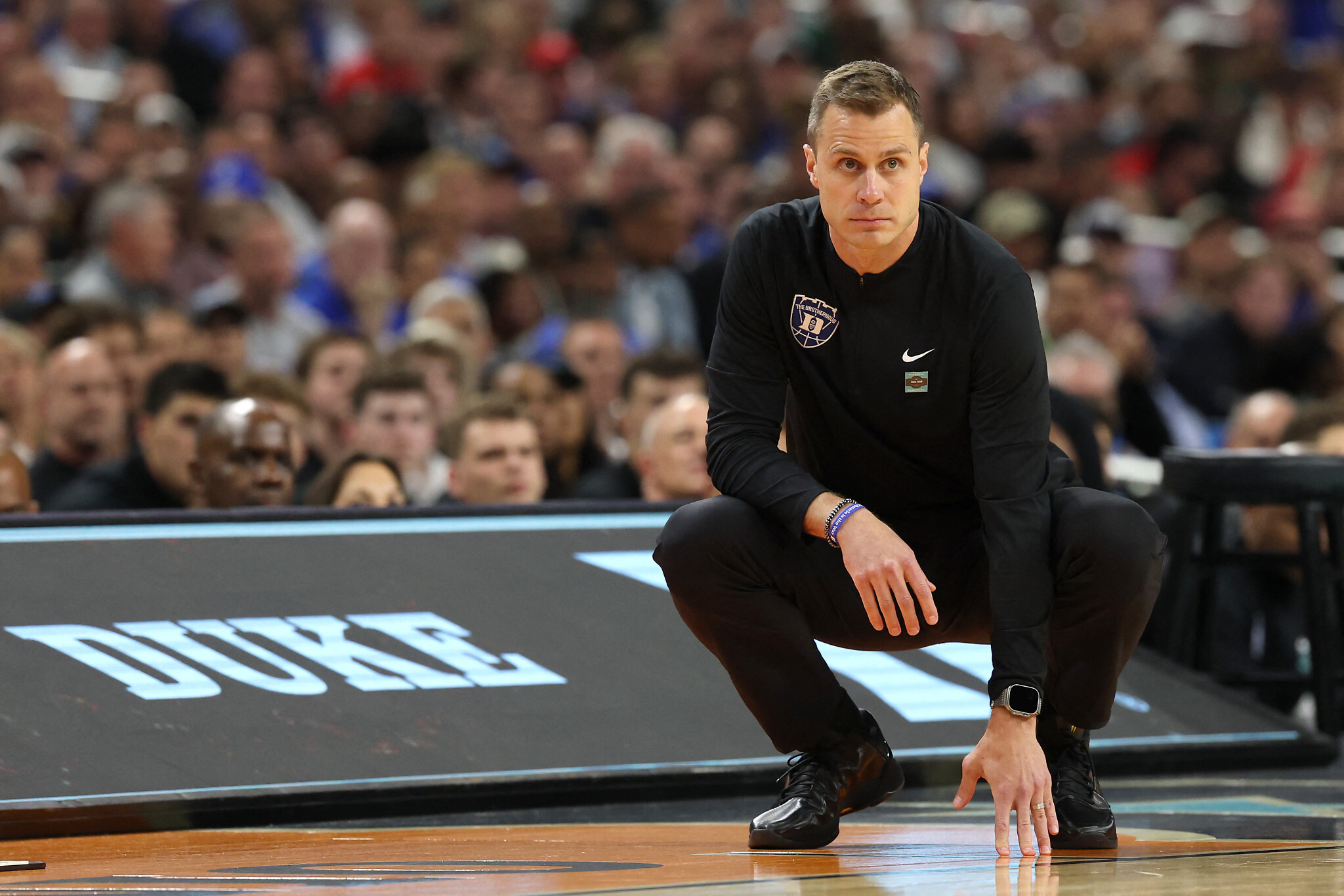
A third Jewish coach, Duke’s Jon Scheyer, made the Final Four as well, and on the women’s side, the University of Southern California’s Lindsay Gottlieb coached her team to the Elite Eight.
But if you ask Matt Elkin, the golden age of NCAA Jewish coaching is just getting started.
“I think that this year is one of those moments in time where we’ll look back – 10, 20 years from now – and say this was where it all started,” Elkin, executive director of the Jewish Coaches Association, told The Times of Israel in an interview shortly after last season ended.
“To see three Jewish head coaches at the prime of their game, and one cutting the nets down on the very last game of the year, it’s something that a young coach, an old coach, collectively, we all can be inspired that we can do it too,” he said.
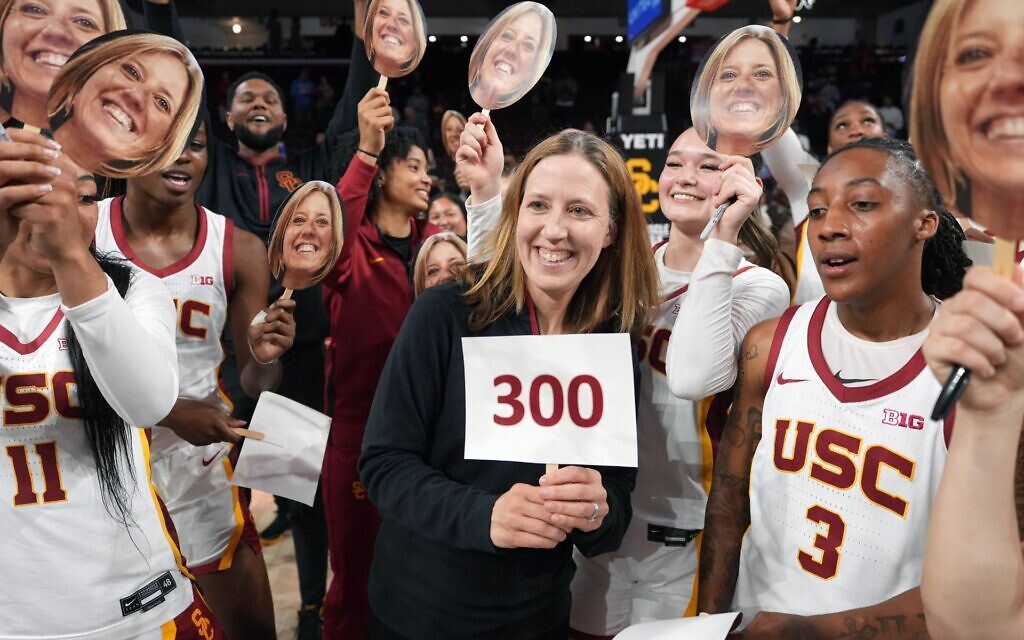
The NCAA basketball season began on November 3, with the promise of more Jewish coaching exploits this year and beyond. Scheyer, Golden and Gottlieb, ages 38, 40 and 48, respectively, are all returning to lead their top-tier teams. Pearl, the elder statesman of Jewish basketball coaching, has retired, but passed the reins at Auburn to his son, Steven, 38.
Beyond those marquee names, Elkin is keen to highlight coaches who are promising but, for now at least, lesser-known. One way his organization did that was by giving its “Red Auerbach Coach of the Year” award not to Scheyer, Golden or Pearl but rather Dave Klatsky, who led the New York University Violets to the NCAA final for Division III, coming in second.
“I got up on stage and I basically asked the crowd in my acceptance speech, ‘There’s three Jewish coaches in the Division I Final Four, and somehow, I won this award? Who chooses this? Is it my mom and dad?’” Klatsky joked in an interview with The Times of Israel shortly after receiving the award in the spring.
Now, Klatsky has moved to Division I, the NCAA’s top tier, joining Golden’s staff at Florida as an assistant coach as the Gators, ranked No. 3 to start the season, eye a repeat.
The job could pave the way for him to get his own head coaching gig down the line: Before he took the helm at Florida, Golden served as an assistant coach under Bruce Pearl.
Klatsky says he hopes to mentor younger Jewish coaches as well.
“I think it’s almost a duty of coaches as you get older and more experienced to do that,” he said. “I do it already now. Younger Jewish coaches have hit me up. I’ll always give them my thoughts and advice, and talk through things with them.”
Congratulations to our 2025 Red Auerbach Coach of the Year award winner @DaveKlatsky
Dave Klatsky
Head Coach – NYU#JCA | #JewishCoaches | #JCAB2025 pic.twitter.com/g1EqzmbOAK— Jewish Coaches Association (@JewishCoaches) April 5, 2025
Elkin, who is himself an assistant coach at Columbia University, hopes his organization will be a conduit for connections like those. Founded by Bruce Pearl and fellow coach Bobby Schwartz two decades ago, the Jewish Coaches Association’s signature event is a Shabbat networking breakfast at The Final Four, which now draws hundreds of attendees.
A similar gathering has also started over the last few years at the Women’s Final Four.
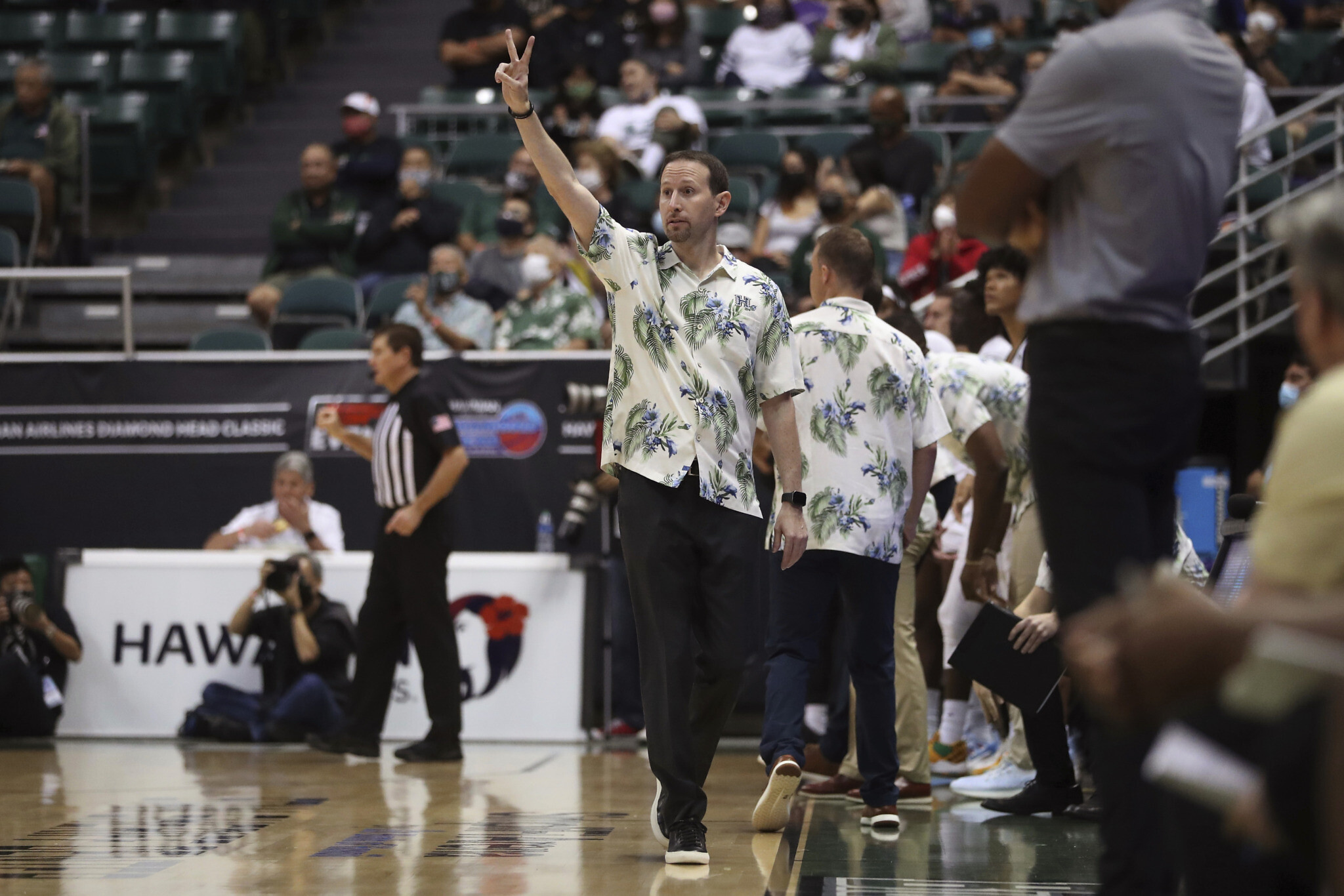
Among other notable up-and-coming Jewish coaches in the NCAA are Temple’s Adam Fisher, Hawaii’s Eran Ganot, St. Louis head coach Josh Schertz and University of Nevada, Las Vegas assistant coach Scott Garson, who works under head coach Josh Pastner, another former Red Auerbach honoree.
Pearl, who was outspoken about his support for Israel (as well as his Republican politics) throughout his coaching career, said that approach comes in part from living in a largely evangelical Christian community in Auburn, Alabama, where he transformed a largely lackluster program into a national powerhouse over 11 years. He also credits his parents with teaching him that “silence is complicity.”
“They have been great supporters of Israel,” he said of his neighbors in an interview with The Times of Israel last spring. “Religions have found ways to divide us and separate us. And I just don’t think that was God’s intention. I love to talk about Jesus being Jewish. I love to talk about the fact that he was a rabbi. I love to talk about the fact that he lived his entire life in Israel and he celebrated the festivals every year of his life. And that to me connects Christians and the Jewish people.”
The JCA is now registered as a tax-exempt nonprofit, and its membership has grown to almost 1,000. In addition to basketball coaches for college, high school and professional teams, the group now includes Jewish coaches from other sports, in addition to Jewish sports administrators. People from outside the US have started joining as well.
Elkin feels that the group provided an essential forum for support and discussion after the October 7, 2023, attack. Members were invited to Zoom sessions about the war and the corresponding spike in antisemitism, which was acutely felt on many college campuses.
At one session, Jewish students at different universities explained their feelings regarding campus anti-Israel protests. Another featured veteran Israeli-American basketball coach and executive David Blatt, whose son was playing in Tel Aviv at the time.
The JCA also conducted a “3-pointers for Israel” fundraiser that brought in thousands of dollars for Beit Halochem, a charity that helps wounded IDF soldiers. And it offered tools on how to approach discussions about the situation with players, colleagues and local communities.
“First and foremost, I want Israelis to know that we are there with them,” Elkin said. “The connection is super strong between our community and the land of Israel. We might not be physically there, but emotionally, spiritually, we are there.”
One of the most public examples of pro-Israel advocacy in the world of college basketball came in March during the NCAA tournament. Taking advantage of the outsized attention on the March Madness competition, Pearl took time during a postgame press conference to “remind the world that Edan Alexander is still held hostage in Gaza right now. An American held hostage and not enough people in this country know his name.”
Alexander, an American-Israeli taken hostage in the October 7 attack, was released in May after a year and a half of captivity in Gaza.
Pearl, who will remain affiliated with Auburn, will now be a basketball analyst on TV. He also plans to continue his volunteer work with Athletes for Israel, which brings delegations of athletes to the country.
Pearl acknowledged that he may have lost some potential recruits to his basketball programs because of how upfront he is about his support for Israel and his Jewish identity. But he doesn’t feel like it’s hurt his career.
“Auburn has won five SEC championships in the last eight years,” he said, referring to Auburn’s conference. “We’ve been to two Final Fours in the last five years. And the only way you could explain that is it’s a God thing.”









The Times of Israel Community.