

As nation watches, High Court hears petitions to bar Netanyahu, coalition deal
11 justices weigh petitions on Sunday and Monday, including challenge to PM forming government while under indictment; hearings broadcast live
 Add ToI as a Preferred Source on Google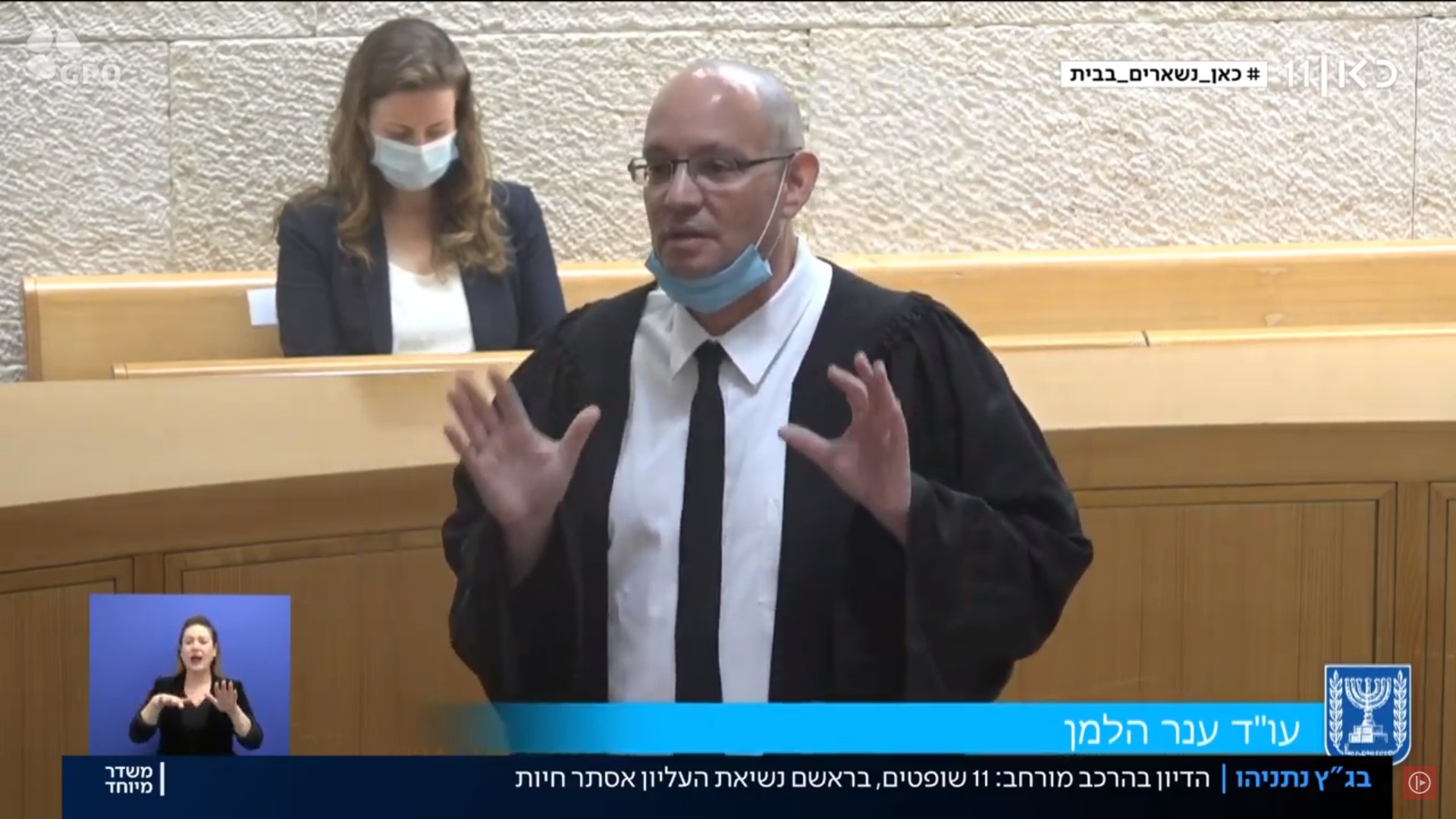
The High Court of Justice on Sunday began considering whether to block the coalition government agreed to by Prime Minister Benjamin Netanyahu and his rival-turned-partner Benny Gantz, a case that could force another election.
Netanyahu, in power since 2009, and the ex-military chief Gantz, faced off in three inconclusive elections in less than a year.
With neither man able to form a viable governing coalition in Israel’s deeply divided 120-seat parliament, they agreed to a power-sharing deal last month, saying they aimed to avert a fourth vote opposed across the political spectrum.
Under the three-year coalition deal, the government’s first six months will be dedicated primarily to combating the novel coronavirus that has infected more than 16,000 Israelis and ravaged the economy.
But hundreds of Israelis demonstrated against the deal in Tel Aviv on Saturday, the latest in a series of protests over a unity government.
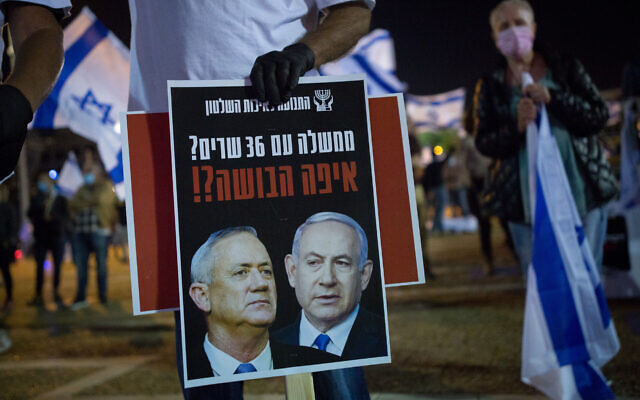
And eight separate petitions to be examined by the High Court seek to declare the deal illegal, including one from former Gantz ally Yair Lapid, head of the opposition party Yesh Atid.
Lapid broke with Gantz last month when the ex-military commander was elected parliament speaker and decided to pursue a deal with Netanyahu.

The court will on Sunday consider whether Netanyahu can serve while under indictment, and on Monday whether the deal is legal. The hearings are being livestreamed.
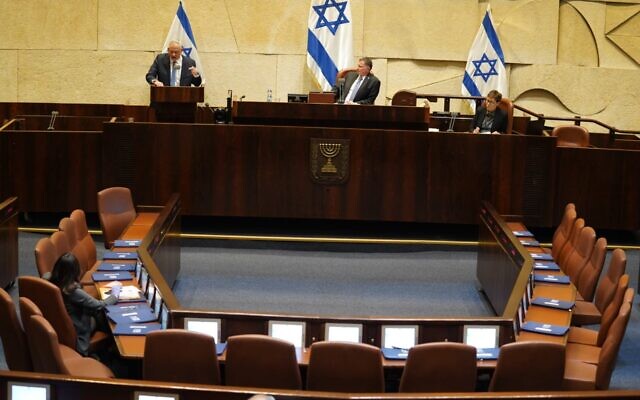
Between Tuesday and Thursday, focus will shift to the Knesset where three laws are being changed by the coalition deal, two of them the constitutional “Basic Laws.”
They must become law by Thursday, because that’s the deadline for the Knesset to name a prime minister from among its ranks or call new elections. The Knesset is unlikely to approve the new government if the legislation ensuring the rotation deal between Netanyahu and Gantz hasn’t become law.
Netanyahu indictments
One argument against the coalition government, which has not yet been sworn in, centers on indictments filed against Netanyahu in January.
The veteran premier has been charged with accepting improper gifts and illegally trading favors in exchange for favorable media coverage. He denies wrongdoing and his trial is set to start May 24.
Israeli law bars an indicted person from serving as an ordinary cabinet minister, but does not compel a criminally-charged prime minister to leave office.
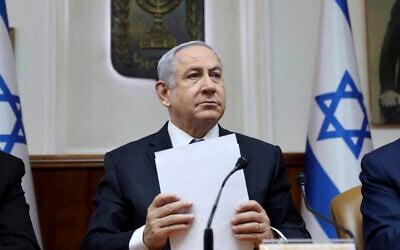
The complication regarding Netanyahu is that he is not currently an ordinary prime minister. He has been serving as the caretaker head of a transitional government through Israel’s grinding political deadlock.
According to some interpretations of Israeli law, that makes Netanyahu merely a candidate to become prime minister.
The deal’s opponents argue that his candidacy should be therefore disqualified by the indictments.
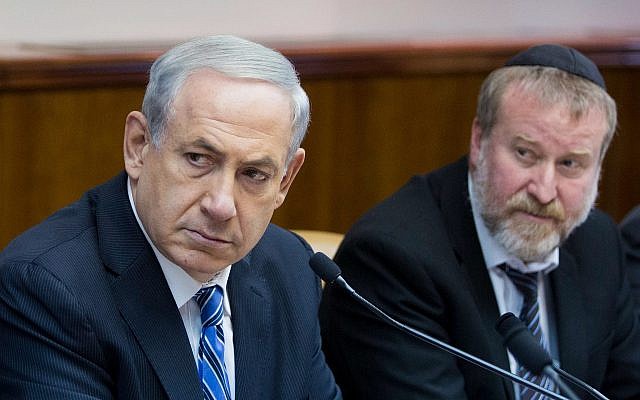
In an opinion delivered to the High Court this week, Attorney General Avichai Mandelblit, who indicted Netanyahu, argued there is no legal basis to prohibit him from leading a government.
Interviewed on public radio Saturday, energy minister and Netanyahu ally Yuval Steinitz said that if the court rules Netanyahu cannot serve, it would amount to “an unprecedented attack on Israeli democracy.”
The Gantz-Netanyahu agreement is “a necessity, the result of three election campaigns and a desire among Israelis to avoid a fourth election.”
The deal’s terms
The main argument against the coalition deal concerns specific provisions opponents say violate the law.
The agreement sees Netanyahu serving as prime minister for 18 months, with Gantz as his “alternate,” a new title in Israeli governance.
They will swap roles midway through the deal, likely taking voters back to the polls in 36 months.
But Israeli law traditionally endows governments with four-year mandates, an issue pounced on by the deal’s opponents.
There is also a provision freezing certain public appointments during the government’s initial six-month pandemic emergency phase, which critics also say is illegal.
The attorney general’s opinion said that while “certain arrangements in the coalition agreement raise major difficulties… at this time there are no grounds to disqualify (it).”
He advised that problematic provisions be reviewed “at the implementation stage.”
If the expanded panel of 11 judges set to hear the case deems the coalition deal invalid, Israel may be forced to hold its fourth election in less than two years.
Times of Israel staff contributed to this report.










The Times of Israel Community.