

Henry Hamra, a Syrian Jew living in US, running in elections for new Syrian parliament
If victorious in Sunday vote, the nephew of Syria’s last chief rabbi who fled to US with his father in 1992, pledges to work with US Syrians to abolish law levying sanctions on Damascus
 Add ToI as a Preferred Source on Google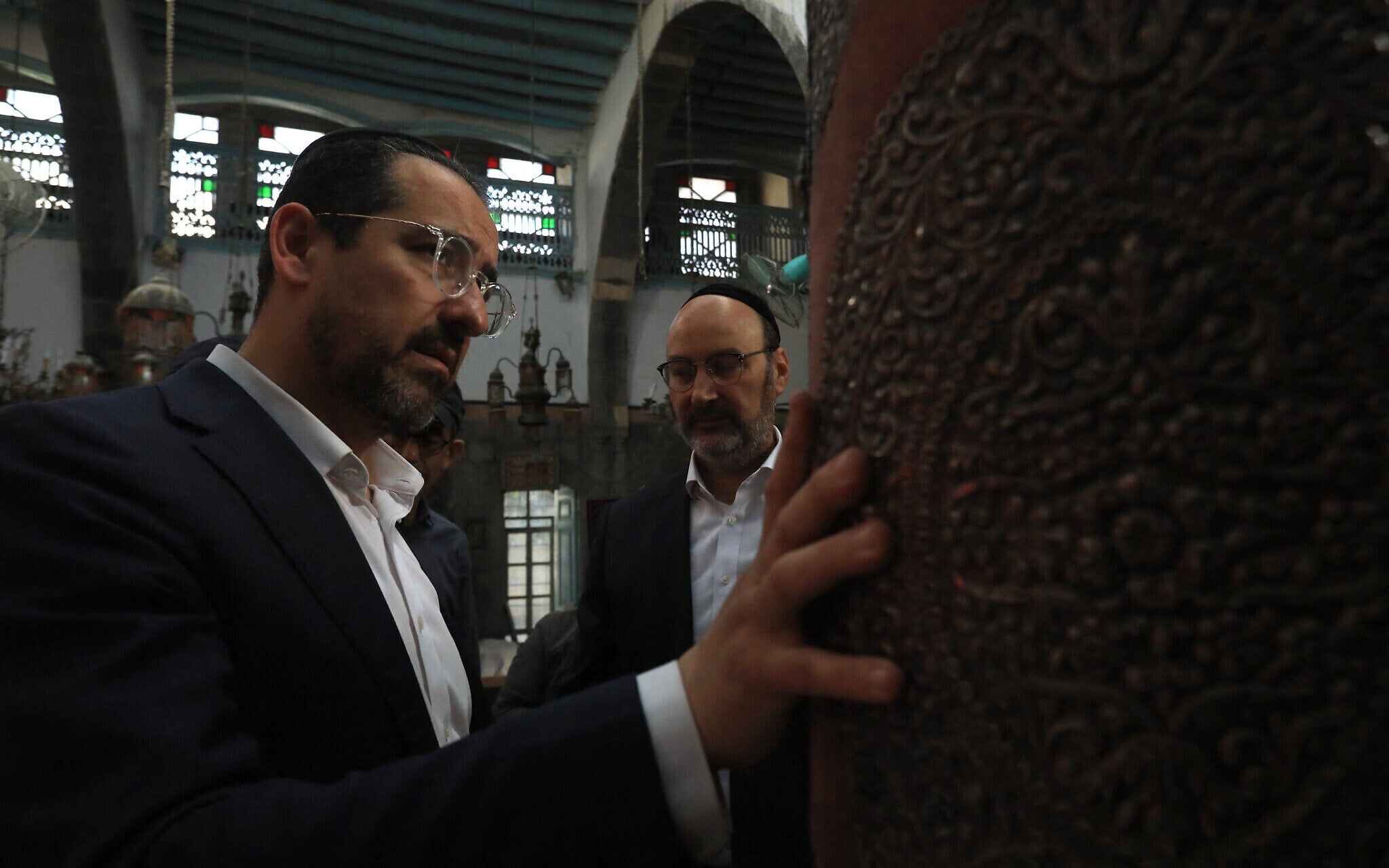
Henry Hamra, who fled Syria to the US in 1992, is running for a seat on Sunday in Syria’s first legislature since the December ousting of longtime ruler Bashar al-Assad.
If elected, Hamra, who is running for a seat representing the Damascus district, would be the first Jewish representative to enter parliament since 1947, according to Syrian historian Sami Moubayed.
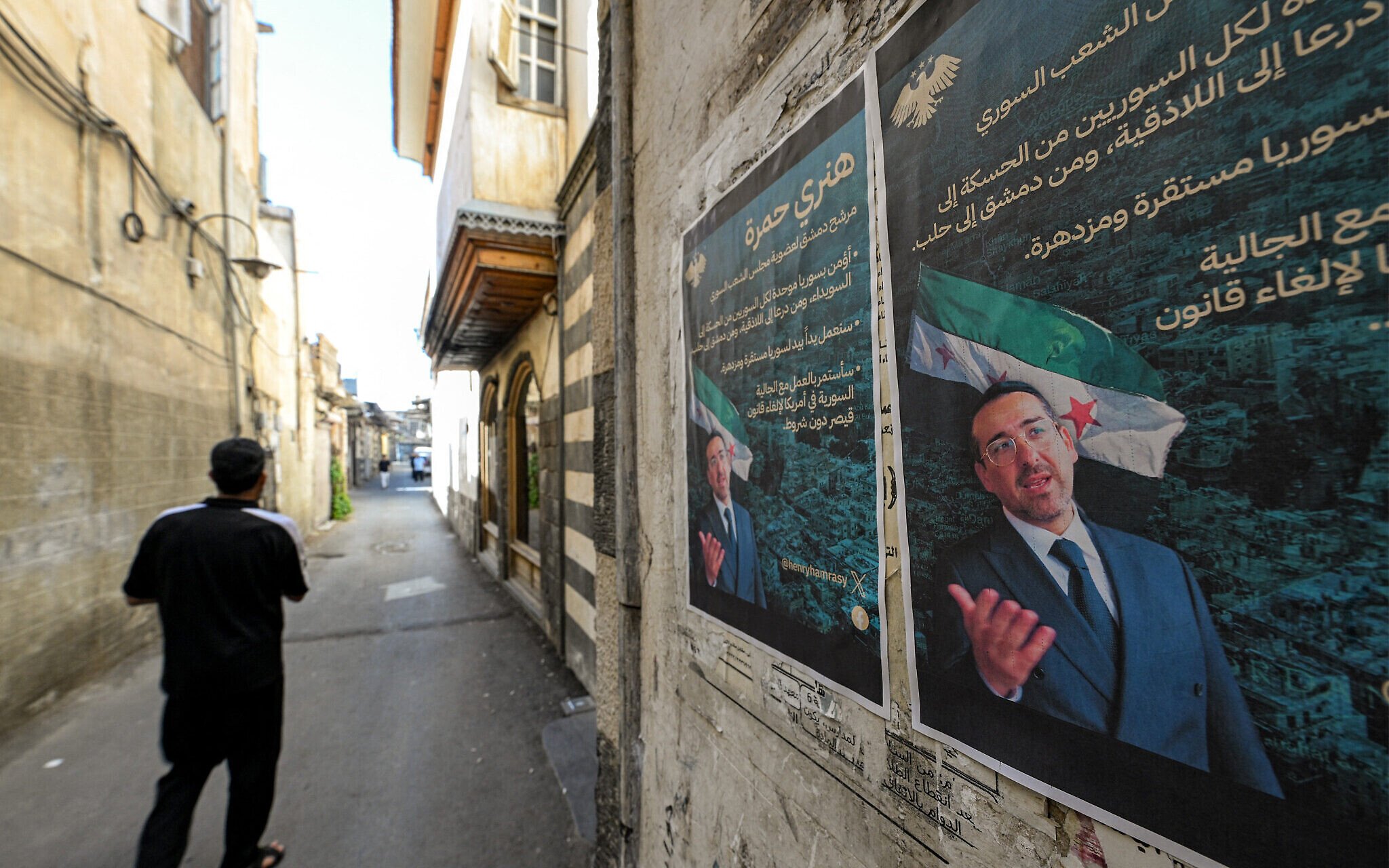
In the Jewish Quarter of the Old City of Damascus on Friday, an AFP photographer saw posters on walls bearing Hamra’s image alongside the Syrian flag and reading: “Candidate for Damascus for the Syrian People’s Assembly.”
A flyer published on Hamra’s campaign account on X reads: “Towards a flourishing, tolerant and just Syria,” while his program sets out pledges including bringing together Syrian Jews, protecting Syria’s heritage and cultural identity, and working with US Syrians to abolish the US “Caesar Act,” which imposes economic sanctions on Syria without conditions.
Electoral commission spokesperson Nawar Najmeh told AFP that Hamra is an “official candidate for the elections and announced his election program like any other candidate.”
Two-thirds of Syria’s 210-seat legislature will be selected by local committees, while the rest will be nominated by Syrian President Ahmed al-Sharaa in a selection process that has been criticized as undemocratic.
Hamra fled the Syrian capital to the US with his father, Rabbi Yusuf Hamra, at the age of 15 in 1992, the year Assad’s father and predecessor, Hafez, removed restrictions on Jews’ travel abroad.
The elder Hamra is a leader of Brooklyn’s Syrian Jewish community and is the brother of the late Rabbi Avraham Hamra, the last Syrian chief rabbi, who fled to Israel in 1994 and settled in Holon.
In February, Henry Hamra and his father visited Damascus from the United States, participating in a group prayer for the first time in more than three decades in the Old City’s Faranj synagogue.
At its peak, Syria’s millennia-old Jewish community numbered some 100,000 people, but today, only a handful remain.
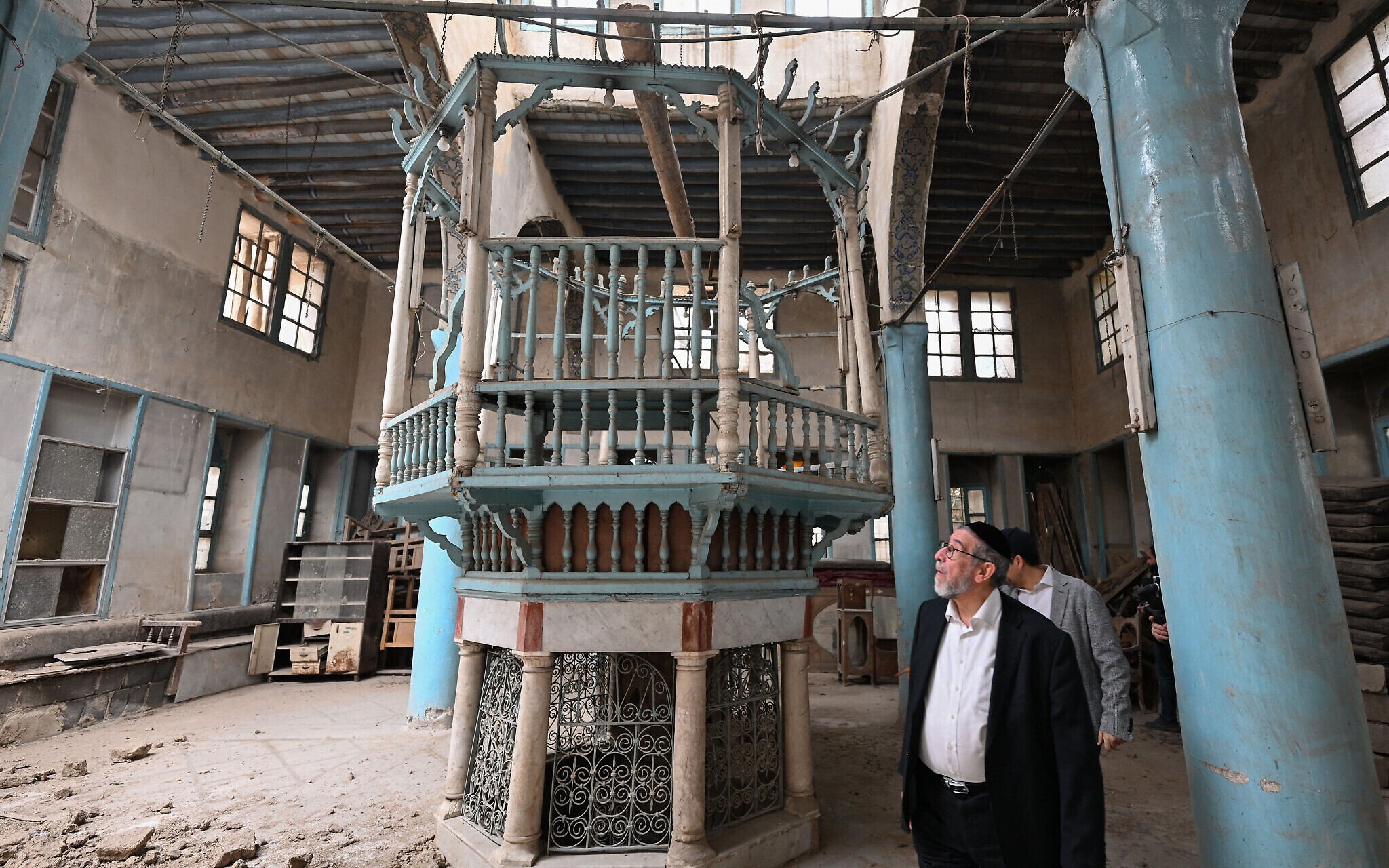
Since Islamist forces under Al-Sharaa toppled Assad, the country’s dwindling community has begun welcoming back Syrian Jews who had emigrated, while the new authorities have made gestures toward the minority.
Community leader Bakhour Chamntoub said that “the return of Syrian Jews to parliament is positive, particularly with a new government.”
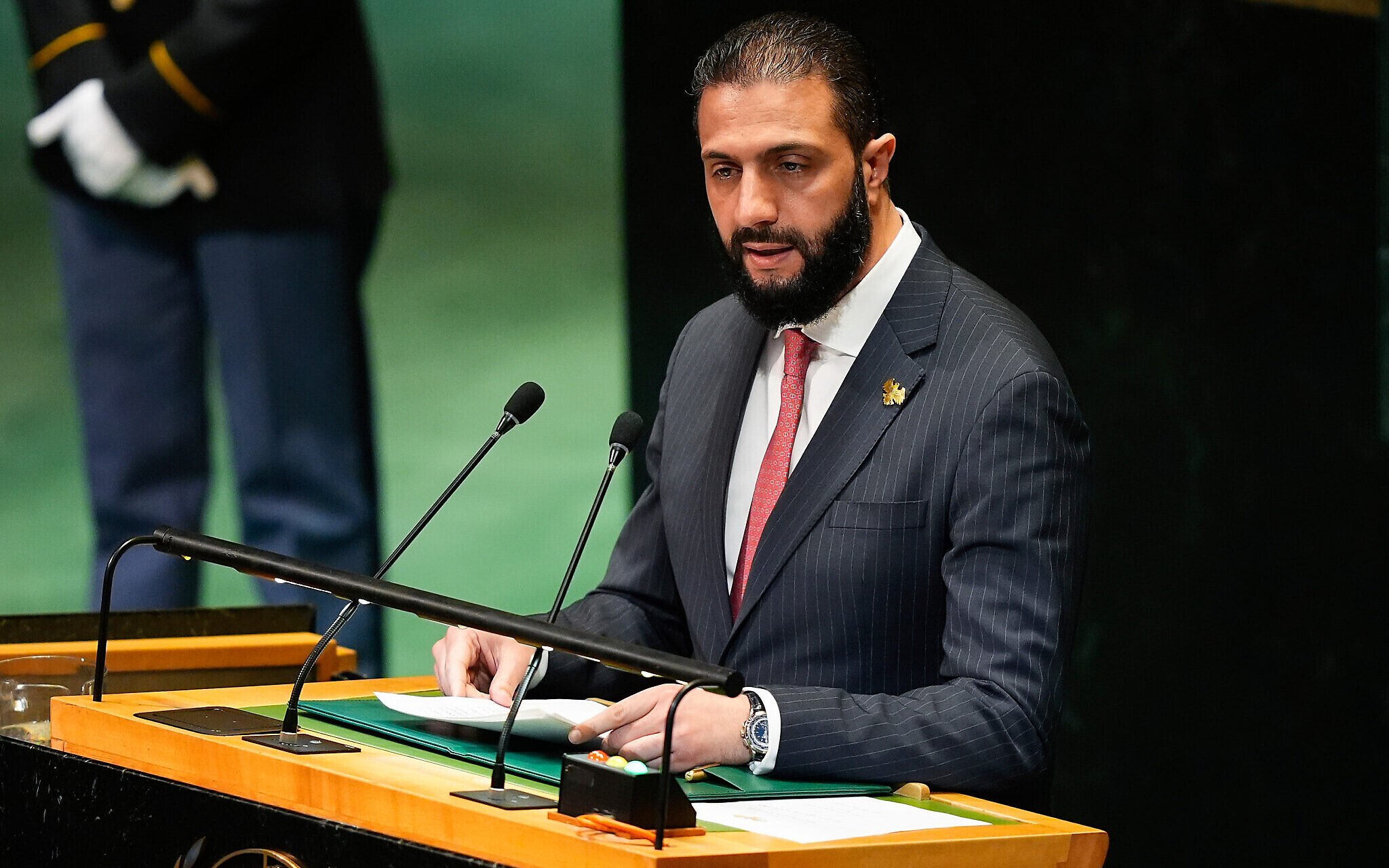
Syria’s new authorities have pledged to protect the community’s property, and Sharaa met with Syrian Jews, as well as World Jewish Congress head Ron Lauder, last month on the sidelines of the United Nations General Assembly, where Sharaa was the first Syrian leader to speak since 1967.
US, Syrian and Israeli officials have also confirmed that Syria and Israel, which have been formally at war since Israel was founded in 1948, were negotiating a defense pact.
Following Assad’s ouster, Israel seized the Syrian side of the two countries’ demilitarized buffer zone, citing fear that it would fall into the wrong hands. Israel has also carried out hundreds of strikes on military targets in Syria, sometimes citing a need to protect the Druze minority amid sectarian violence.









The Times of Israel Community.