

Jerusalem municipality to name area in the city after teen murdered at 2015 pride march
Motion to name street or square in city center after Shira Banki passes despite opposition from advisory committee, dissent from some ultra-Orthodox council members
 Add ToI as a Preferred Source on Google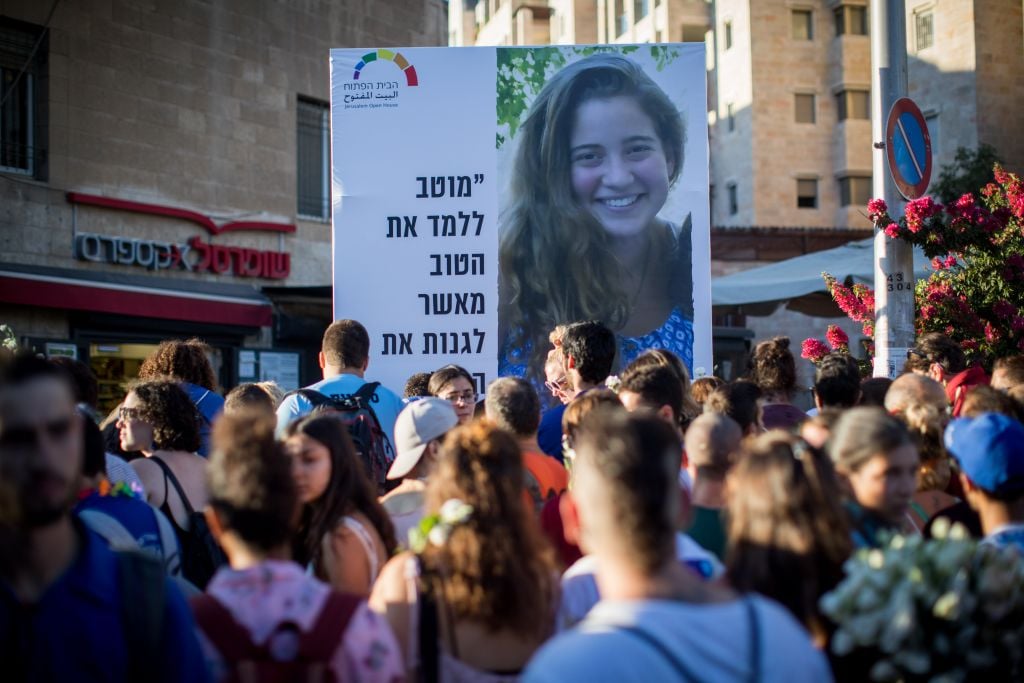
The Jerusalem municipality voted on Sunday to memorialize a teen murdered by an ultra-Orthodox extremist at the 2015 Jerusalem Pride Parade, by either naming a street after her or commemorating her in a similar way in the center of the city.
The decision to commemorate the teen, Shira Banki, comes more than a decade after the 15-year-old was stabbed to death by Yishai Schlissel while marching in the 2015 LGBTQ parade. Schlissel had been released from prison just three weeks prior, having served an eight-year sentence for a stabbing attack at the same march 10 years earlier.
It was not immediately clear whether the commemoration would take the form of a street named after Banki, as some reports suggested, or whether a square in central Jerusalem would be named after her instead, as others attested.
According to the Ynet news site, Banki’s name would either be selected for a square close to the location of her murder or would be displayed in the city in some other form, although not on a street sign. Contradictory reports, including by the Haaretz daily and Channel 12, indicated that a street would be named after the slain teen, but that the exact street would only be determined at a later date.
The motion faced opposition from the advisory committee that reviews proposals to rename streets in Jerusalem, which recommended against such a memorial for the murdered teen, saying it would be wrong to single her out from all the people who have been murdered in the city over the years.
Despite this, and in spite of opposition from some ultra-Orthodox council members, the motion garnered enough votes to pass.
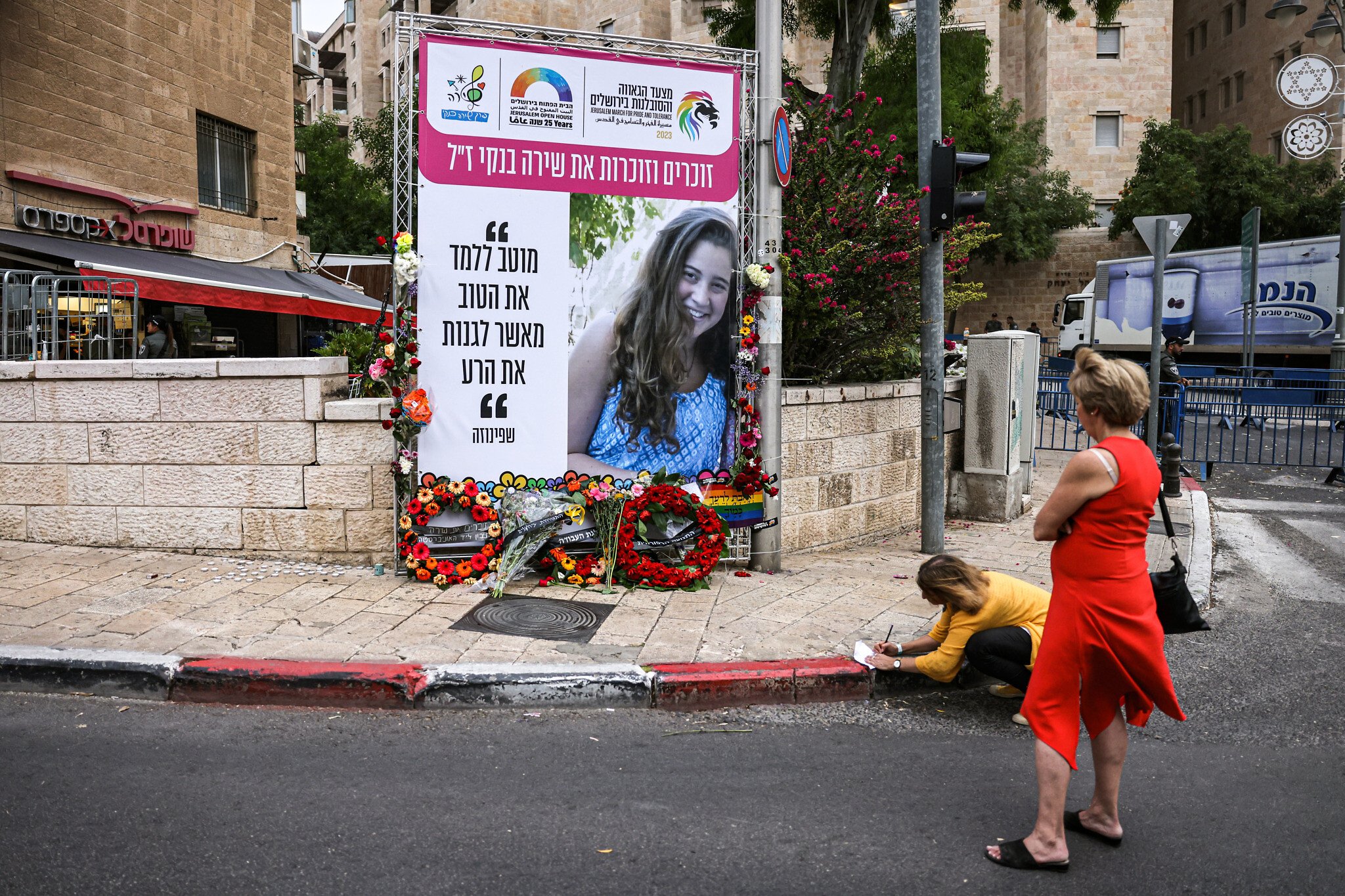
In a statement announcing the decision, the Jerusalem Municipality said Banki “marched in the parade out of a belief in human rights, tolerance, and acceptance of others. The murder shocked the entire country and exposed the dangers of extremism and hatred.”
Banki’s father, Uri Banki, thanked the municipality for its decision to honor his daughter, and noted that “ten-and-a-half years ago, at Shira’s grave, we said the public resonance of the murder was not comforting, but was important.”
“If such a murder had been met with a weak response, our despair would have been deeper,” he added.
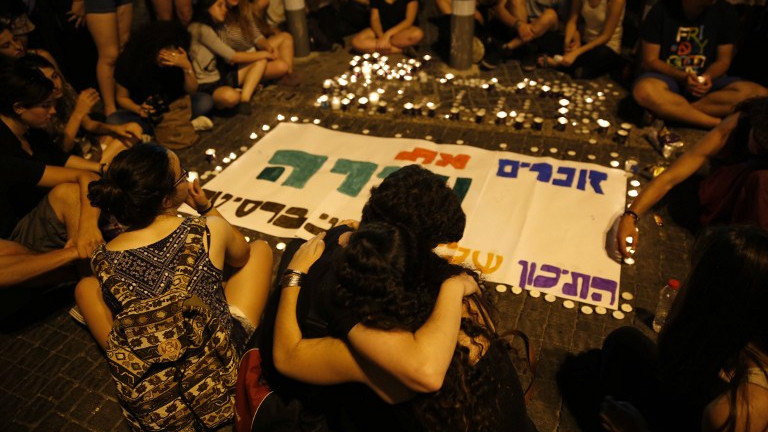
Touching on the present day, Banki cautioned in his statement that “the state of Israel and the entire democratic world is dealing with heated and extremist discourse, that cannot contain complexity and so suffices with slogans.”

The Jerusalem Open House for Pride and Tolerance, which organizes the annual pride parade, similarly welcomed the municipality’s decision, saying “there is nothing more fitting and moving than her name being immortalized on the streets of the city where she grew up and was educated, and where her family lives.”
“It is a reminder that violence of any kind is unacceptable in Jerusalem,” it added in a statement posted on social media.



The Times of Israel Community.