

‘Persona non grata’: Lebanon boots Iran’s ambassador amid Hezbollah-Israel war
Israeli FM Sa’ar praises move by Beirut, urges it to take ‘meaningful steps’ against Hezbollah, which condemns envoy’s expulsion; hours later, Iranian missile intercepted over Lebanon
 Add ToI as a Preferred Source on Google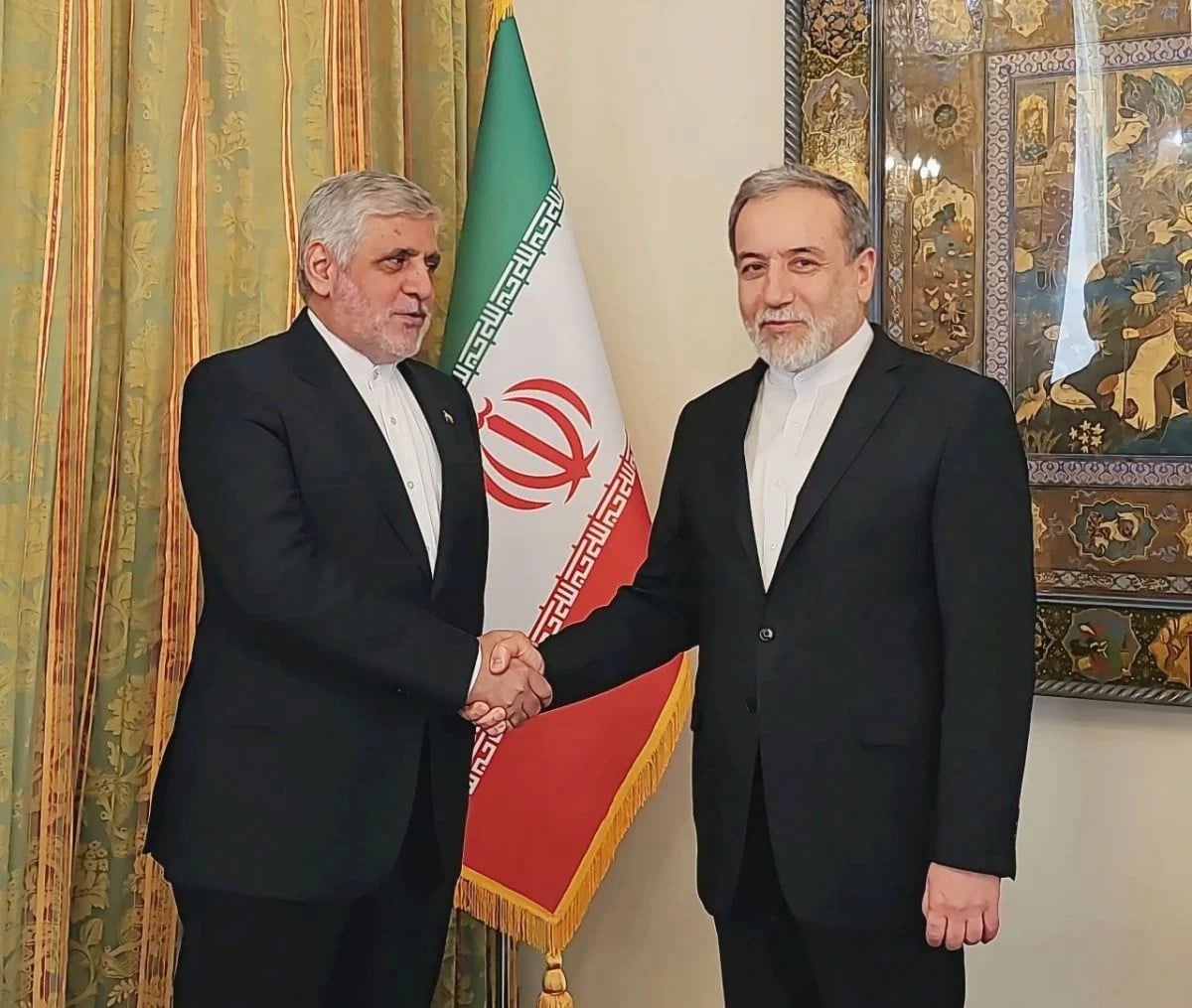
Lebanon’s foreign ministry said Tuesday it had withdrawn the accreditation of Iran’s ambassador, giving him until Sunday to leave the country.
Hours later, in a first, Iran fired a missile that was intercepted over Lebanon.
Lebanese Foreign Minister Youssef Raggi wrote on X: “I instructed today the Secretary-General of the Ministry of Foreign Affairs and Emigrants to summon the Iranian Chargé d’Affaires in Lebanon to inform him of the decision to withdraw the agrément for the designated Iranian Ambassador, Mohammad Reza Shibani, declare him persona non grata, and request that he leave Lebanese territory no later than 29 March 2026.”
The ministry also recalled the Lebanese ambassador to Iran for consultations, citing what it described as Tehran’s violation of diplomatic norms and established practices between the two countries.
Lebanon has been drawn into the ongoing regional war by Iranian proxy terror group Hezbollah, which has resisted the government’s demands to disarm and has been attacking Israel daily, leading to an intense Israeli bombing campaign and ground operation in southern Lebanon and the displacement of over a million people.
Hezbollah condemned the decision by Lebanon’s foreign ministry as a “national and strategic sin,” calling in a statement on “the president of the republic and the prime minister to demand that the minister of Foreign Affairs… immediately reverse this decision because of its dangerous repercussions.”
In Israel, Foreign Minister Gideon Sa’ar praised Beirut for the move, calling it a “justified and necessary step toward the state responsible for violating Lebanon’s sovereignty, for its indirect occupation through Hezbollah, and for dragging it into war.”
Writing on X, he called on Lebanon’s government to take “meaningful steps” against Hezbollah.

Lebanon was pulled into the ongoing regional war when Hezbollah began firing rockets into Israel on March 2, to avenge the killing of Iran’s supreme leader ayatollah Ali Khamenei.
The group had not attacked the Jewish state since a November 2024 ceasefire mostly stopped a previous round of fighting, which had begun when Hezbollah attacked Israel on October 8, 2023, in support of its ally Hamas.
Since joining the war, the terror group has been firing an average of about 150 rockets per day, according to the Israel Defense Forces. Roughly two-thirds of the daily rocket fire has been directed at Israeli forces operating in southern Lebanon and along the border, with the remaining third aimed at Israel.
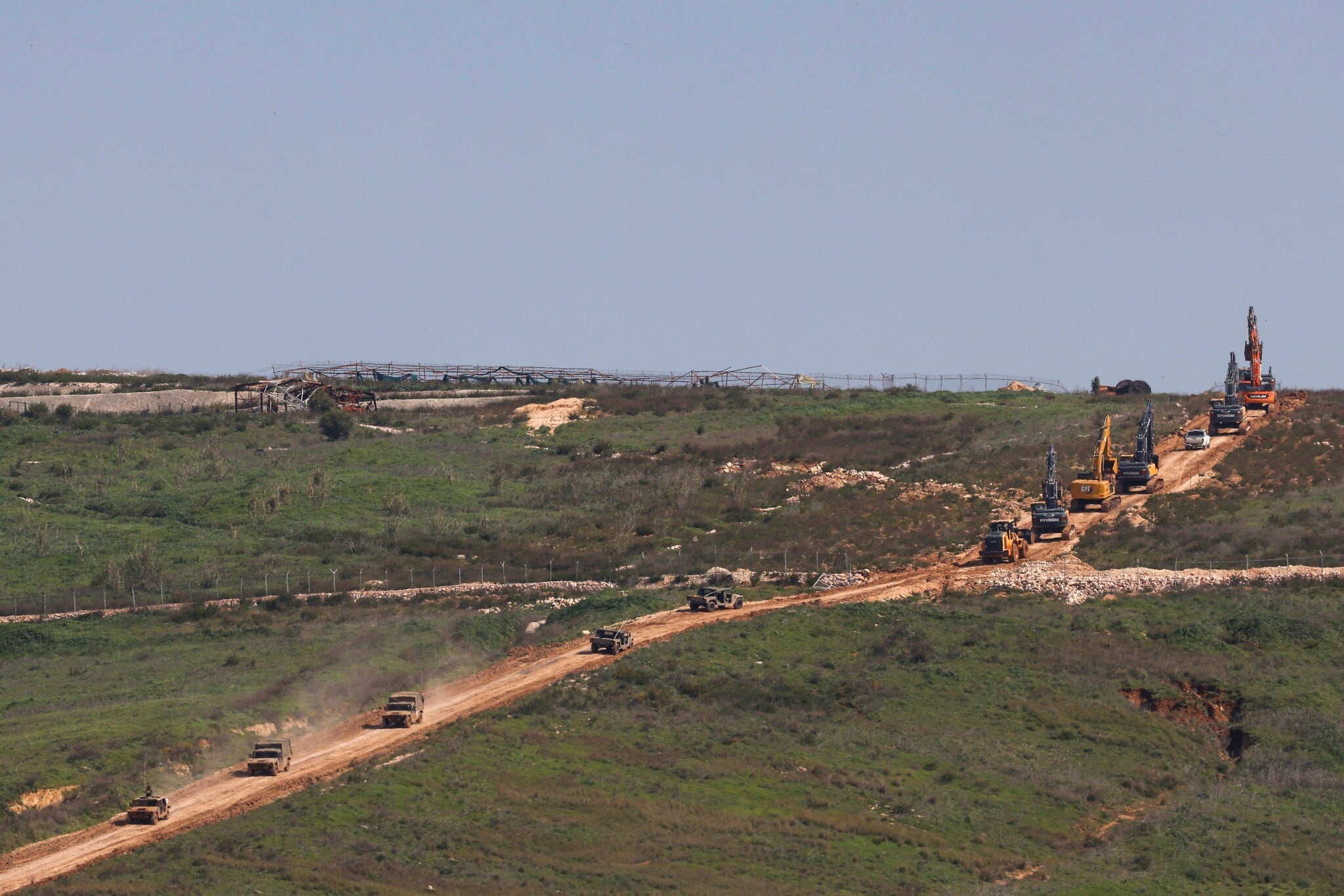
The IDF announced last week that it had launched “limited” ground operations in Lebanon in response to the incessant rocket fire, and Defense Minister Israel Katz said Tuesday that Israel will maintain control of a “security zone” in southern Lebanon, up to the Litani River, until the threat of Hezbollah is removed.
Once a potent political force, Hezbollah has found itself with few defenders in Beirut in recent years. In January 2025 Lebanon’s parliament elected former army chief Joseph Aoun, a Hezbollah opponent, as the country’s president.
A poll conducted in January 2026 by the Council for a Secure America found that 73% of Lebanese strongly or somewhat support the president’s efforts to disarm Hezbollah, while only 9% said they strongly or somewhat oppose the process.
On March 9, Aoun proposed direct talks with Israel, a call that Lebanese Prime Minister Nawaf Salam echoed last week. Israel has said there are no talks planned, but the US and other Western nations have welcomed the proposal and expressed hopes that Israel will take Beirut up on the offer.
In first, Iranian missile intercepted over Lebanon
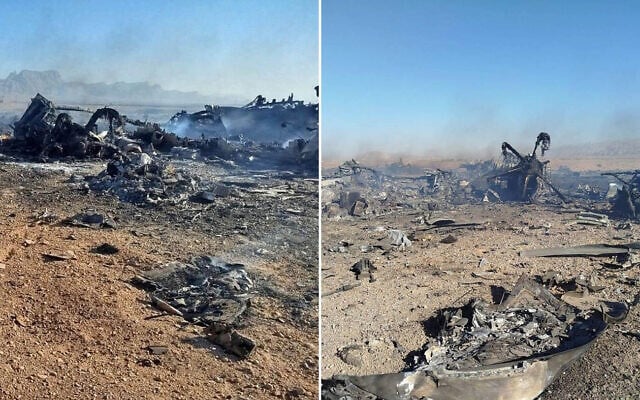
Also Tuesday, an Iranian ballistic missile was intercepted over Lebanon, in a first, three Lebanese security sources told Reuters.
Two of the sources said the interception was carried out by a “foreign naval vessel,” apparently referring to the United States.
Fragments from the interception struck towns north of Beirut, according to Lebanese media, causing light injuries.
Later, the IDF said that “following a review and based on the data available to the IDF, in parallel to the launches carried out toward the State of Israel earlier today, a ballistic missile launched by the Iranian terror regime fell in Beirut.”
On Sunday night, two ballistic missiles launched from Iran at Israel instead struck Lebanese territory, according to the IDF.
Times of Israel staff contributed to this report.







The Times of Israel Community.