

The cost of Netanyahu’s consistent evasion of responsibility is paid in lives
From the 2021 Mount Meron disaster to October 7 and the flydubai hijacking attempt, the prime minister repeatedly ignores warnings and shifts the blame to others, with fatal consequences

 Add ToI as a Preferred Source on Google
Tal Schneider is a Political Correspondent at The Times of Israel
Public corruption and the evasion of responsibility cost lives. The disasters Israel has experienced in recent years illustrate this clearly.
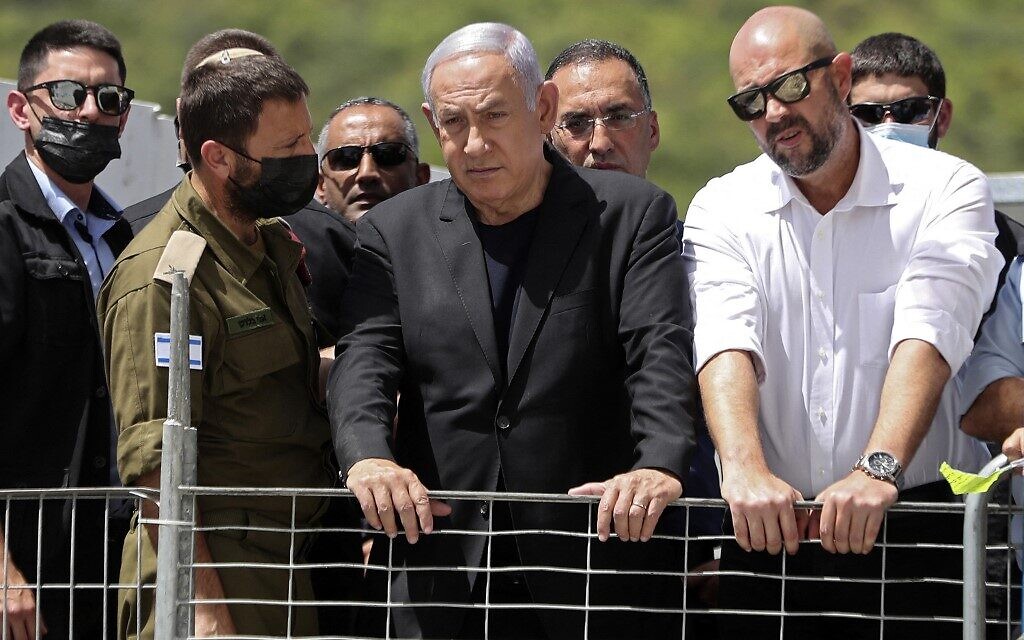
In the 2021 Mount Meron disaster, 45 people were crushed to death during a Lag B’Omer religious festival. That was the tragic price of a culture of “it’ll be OK,” of cutting corners, and of ignoring repeated warnings about the danger posed by severe overcrowding at the holy site.
A long series of State Comptroller reports and explicit warnings about the infrastructure limits at Mount Meron changed absolutely nothing for a group of politicians who rushed to appease the leaders of the ultra-Orthodox community, blindly approving whatever their coalition partners asked for.
Even when warnings are directed personally at the prime minister, they carry no political price. In 2024, the state commission of inquiry investigating the “Case 3000” submarine and naval vessels corruption affair sent Benjamin Netanyahu a formal warning letter. It contained grave preliminary findings regarding his conduct in procuring German submarines and the severe risk his unilateral actions created for national security.
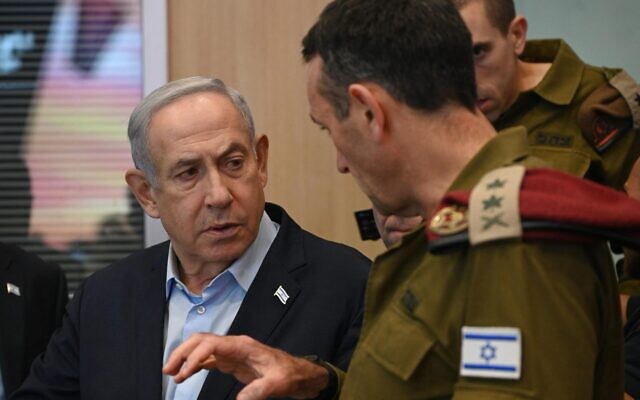
The severity of those findings should have shaken the political system to its core. Yet Netanyahu — on whose watch the October 7, 2023, Hamas massacre had already occurred, and a prolonged war had broken out — continued serving as though nothing had happened. In Israel, there was not even a serious, sustained demand that he be removed from office over the warning.
Above all stands Netanyahu’s blatant disregard for the warnings issued by security professionals before the October 7 massacre.
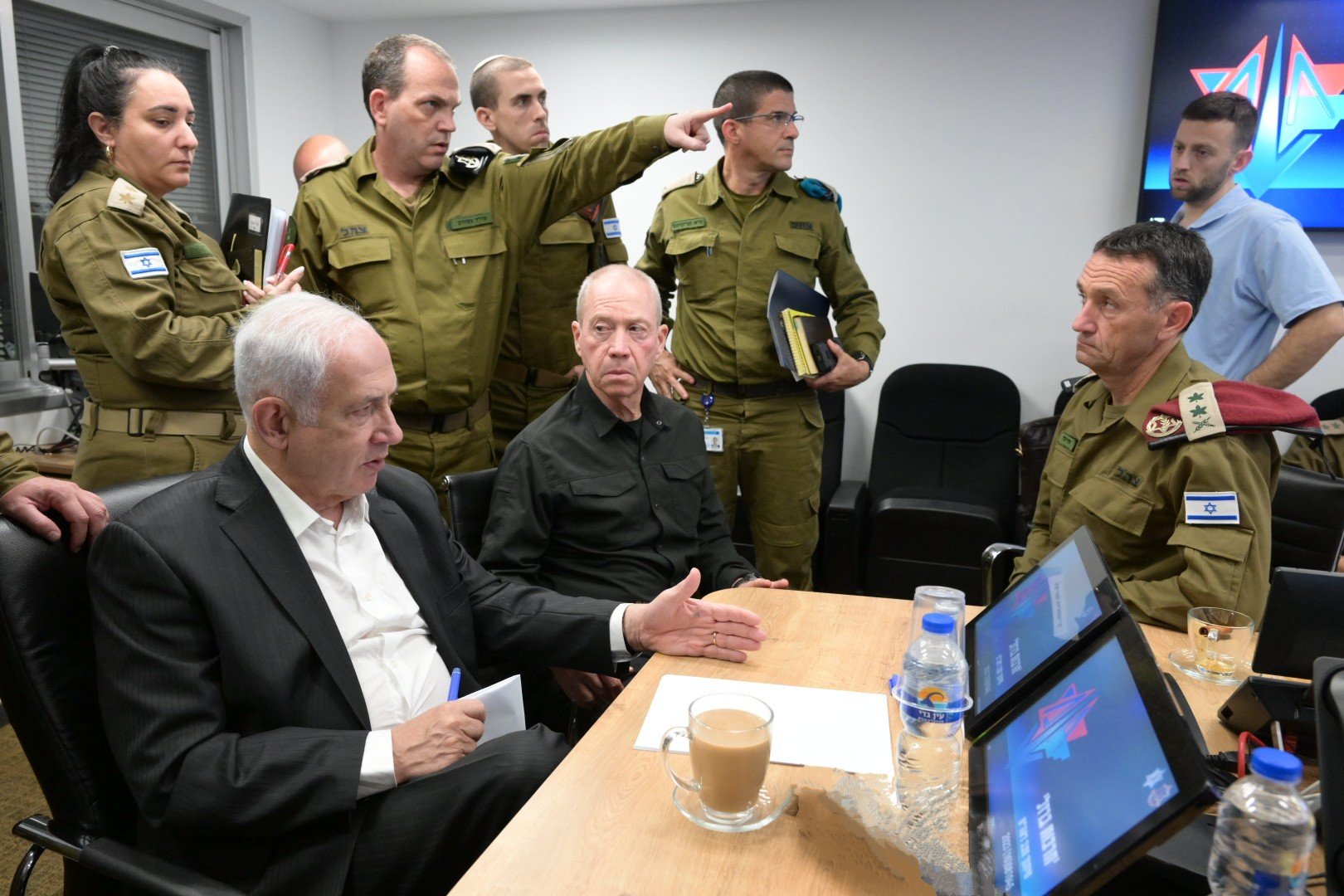
His decision to seek the public’s trust once again in the upcoming elections, without ever having accepted responsibility for the disaster that occurred on his watch, demonstrates how the concept of accountability has become completely devoid of meaning in Israel in 2026.
Netanyahu wants to renew the mandate he received in 2022, all while actively disavowing the responsibility that comes with it. What is the point of being prime minister if nothing is ever your responsibility?
And so the vicious circle closes: warnings are ignored, investigations are thwarted, responsibility is evaded, and more power is demanded. The public has become so accustomed to this method that it struggles to see the cumulative cost.
And that cost is paid in lives.
Flydubai fiasco
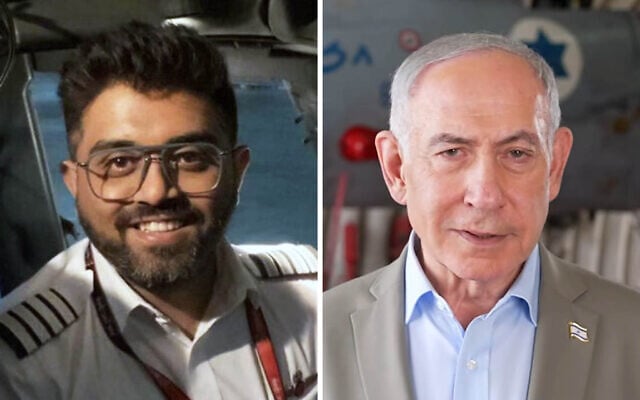
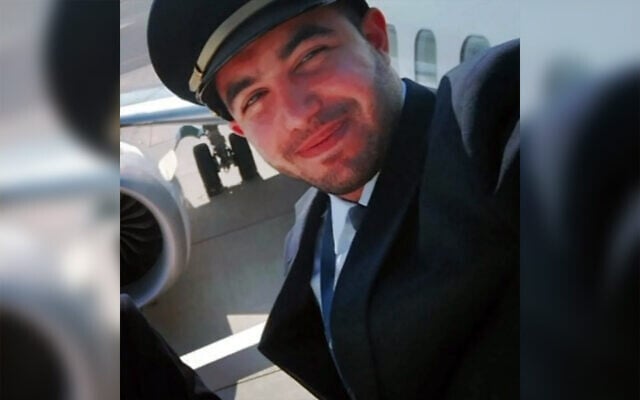
Last Wednesday’s attempted terror attack on the flydubai flight traveling from the United Arab Emirates to Tel Aviv should serve as a glaring red flag.
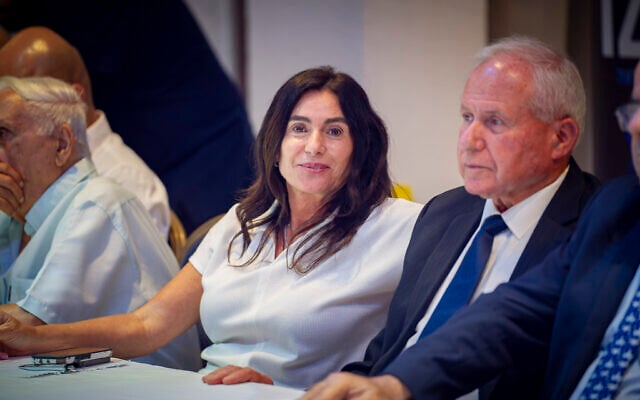
Transportation Minister Miri Regev, Shin Bet chief David Zini, Mossad chief Roman Gofman, and of course Netanyahu should have appeared before the public to explain how an Omani copilot was cleared to fly the route and attempt to crash the plane; which systems failed; and what responsibility each official bore. The fact that heroic Israeli passengers subdued the attacker and saved all on board the plane absolves no one of the duty to answer those questions.
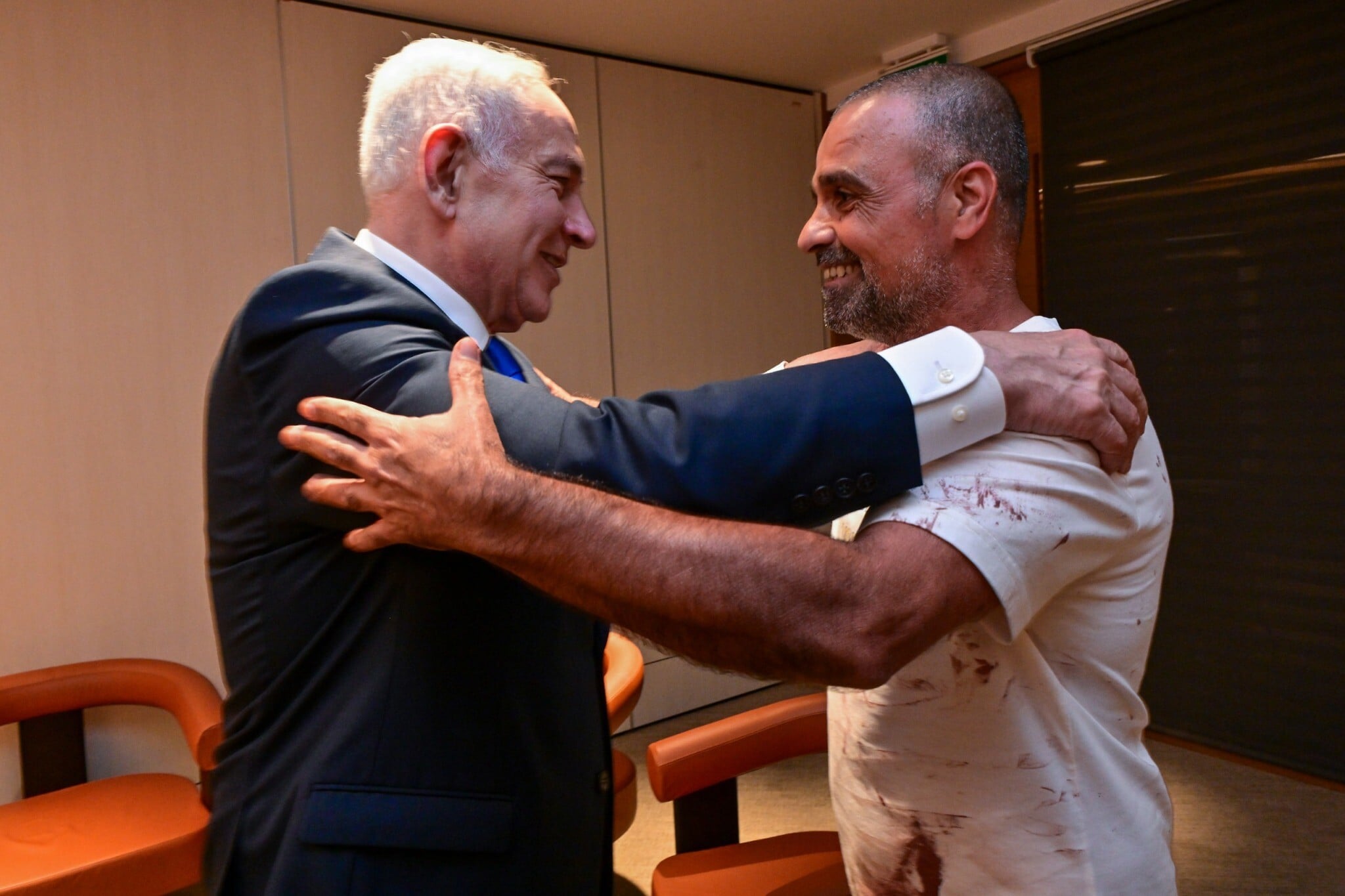
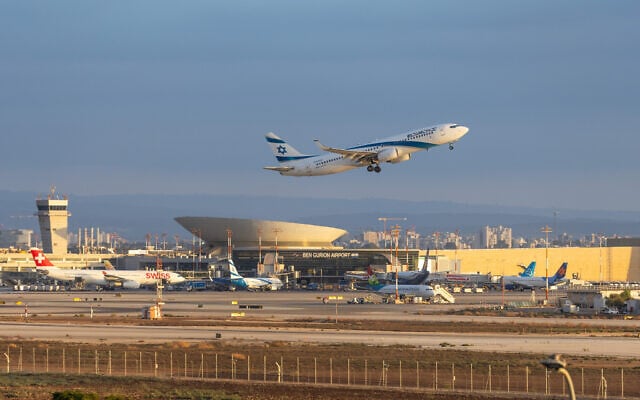
Instead of answers, we got a public relations show. Jonatan Urich, Netanyahu’s senior adviser, tried to attribute prior knowledge of the attempted hijacking to his boss — a bizarre spin that only intensifies the question of why the prime minister did not act to prevent it. Netanyahu celebrated at Ben Gurion Airport and literally offered the passengers advice on how to preserve a bloodstained shirt as a souvenir.
Meanwhile, the Shin Bet chief attended a traditional Hoshana Rabbah night of Torah study while the public waited for an explanation of the massive security failure. Everyone celebrated the civilian “miracle,” leaving the enormous intelligence failure without an address. Let the Emiratis take responsibility, the government’s logic goes.
According to recent reports, the terrorist copilot intended to crash the aircraft into Ben Gurion Airport. In such a scenario, alongside the 174 passengers on board, countless people on the ground would have been killed.
The passengers’ success in preventing the disaster was an extraordinary anomaly — a rare combination of courage, resourcefulness, and circumstance.
Keren Terner, a former director-general of the Transportation Ministry and now a candidate on Naftali Bennett’s B’Yachad slate, said the narrowly avoided disaster must be investigated as though it had actually occurred.
According to Turner, responsibility for overseeing the security of foreign airlines operating in Israel lies squarely with the transportation minister, as distinct from Israeli airlines like El Al, whose security falls under the jurisdiction of the Shin Bet.
As early as May 2024, a State Comptroller report pointed to glaring gaps in the preparedness and capabilities of the Transportation Ministry’s security division.
Here is yet another important report prepared by professionals containing a dire warning. And what was done as a result? Absolutely nothing. The exact same culture of disregard exposed at Mount Meron and in the naval vessels affair persists here, too.
And really, what do people expect from Regev? If the prime minister disavows all responsibility for a massacre that happened on his watch, why should a minister in his cabinet believe that ignoring a report will oblige her to provide answers when a disaster is near-miraculously avoided?
This evasion of responsibility goes hand in hand with the transformation of the civil service into a reservoir of jobs for political cronies. “The Transportation Ministry is rotten with made-up jobs and crony appointments,” Terner wrote.
In an investigation published just a few days ago, Channel 12 journalist Yossi Mizrahi revealed that Idan David, the chairman of the state-owned Ayalon Highways infrastructure company, paved his way to the lucrative post using forged documents and political connections. David has now been ousted and is being investigated by the police for allegedly falsifying documents.
The David scandal joins a long series of exposés about questionable appointments and improper conduct at the Transportation Ministry. The press exposes the failures of political appointments almost every day, and no one in power seems to care. The information is out in the open, the investigations pile up, and everyone simply closes their eyes.
Improper appointments and the blatant disregard of official reports damage both layers of public protection: the quality of decision-making and the ability to correct mistakes before they snowball into disasters.
Preventing the next disaster
Approaching the end of this 37th government’s term, it is abundantly clear that political proximity has completely outweighed professional competence. Ministers do not regard written warnings as requiring action. Everyone just turns the page and looks for the nearest scapegoat.
Furthermore, the refusal to investigate does not merely infringe upon the public’s basic right to know what happened; it severely damages the country’s ability to prevent the next disaster. Without determining exactly where the wrong decisions were made and why dire warnings went unanswered, there is no way to ensure that the systemic failures have been corrected.
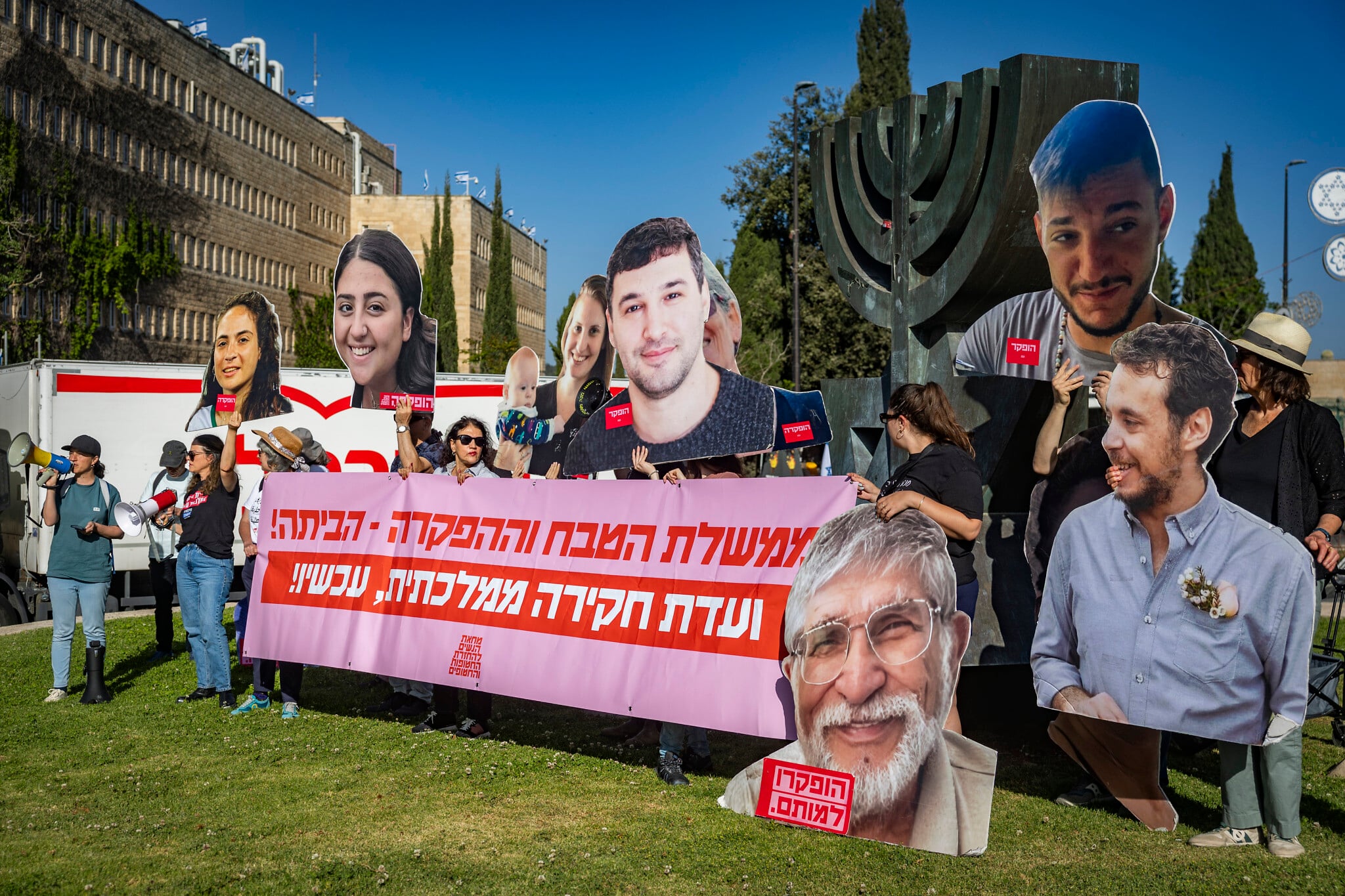
Three years have now passed since the October 7 massacre, and the Israeli public is still waiting for a formal State Commission of Inquiry — the highest level of investigative committee in Israel — into the failures that led to the disaster. It is difficult to imagine a more blatant violation of a government’s duty to its citizens than its stubborn refusal to investigate a catastrophe that occurred on its watch, along with its own responsibility for it.
In a properly functioning country, such an inquiry would thoroughly examine the catastrophic failures of the military, the Shin Bet, and the broader intelligence systems — but it would not stop there. It would also rigorously examine the strategic doctrine, the decisions, and the failures of the political leadership that led the country in the years preceding the massacre and continues to lead it three years later.
The government’s management of the negotiations to free the hostages must also be subjected to a comprehensive investigation: what decisions were made, which opportunities were deliberately missed, and what the ultimate price was.
It was enough to listen to Maj. Gen. (res.) Nitzan Alon, the IDF’s former point man for hostage negotiations, speaking Friday at an event held by the Washington Institute for Near East Policy. “If you look at what we achieved after two years of intense fighting, we could have achieved almost the same strategic achievements much earlier,” he said.
“We could have possibly saved hostages who were killed in captivity, and we missed this opportunity. I assume that Prime Minister Benjamin Netanyahu, as well as other politicians and people, looked at the situation from a strategic perspective, while at the same time he also had his political and personal considerations. All of these factors are involved in the considerations,” he continued.
A statement like that, made at a public event by the most senior military figure at the center of the decision-making and negotiations to free the hostages, should have immediately prompted a genuine investigation.
Military historian Boaz Zalmanovich, son of the late Aryeh Zalmanovich, one of the founders of Kibbutz Nir Oz who was murdered in captivity, wrote on Saturday on X: “Simchat Torah again, three years since the abandonment, and there is still no state commission of inquiry. The people under whose rule the greatest massacre of Jews since the Holocaust occurred still have not accepted responsibility.”
Ruby Chen, father of the late IDF soldier Itay Chen, whose body was held in Gaza, wrote on Saturday: “A difficult week awaits my family, together with thousands of other families who are left with so many questions about how this massacre happened and how a state commission of inquiry has still not been established. No one should be afraid of the truth — not even the prime minister.”
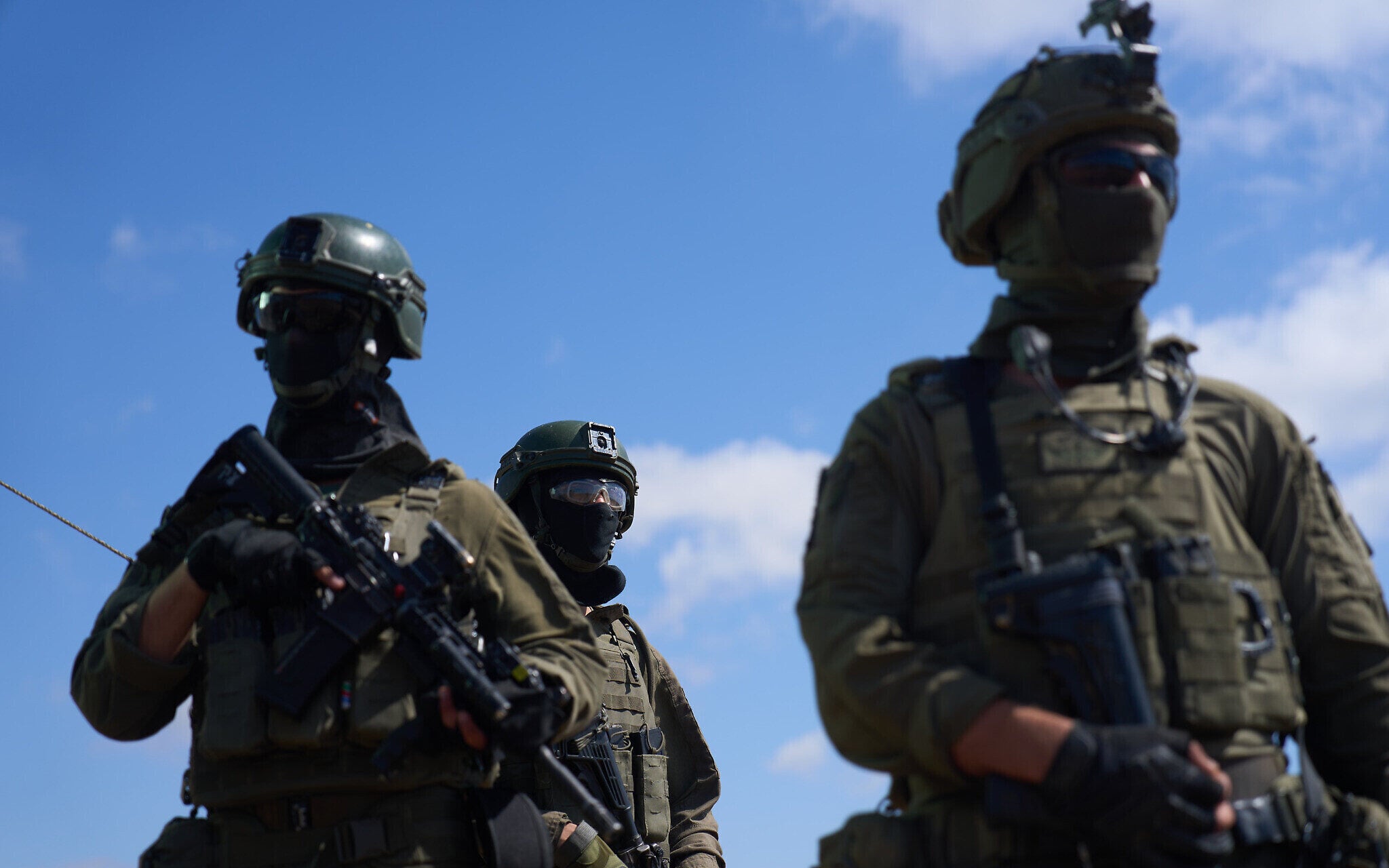
In the 12 months since Israel signed the ceasefire and hostage-release agreement, the IDF has continued to eliminate terrorist leaders in Gaza almost every week. Yet only a short time earlier, when Netanyahu was occupied with prolonging the war and managing his fear that his right-wing government might collapse, he and his associates repeatedly claimed that it would be impossible to achieve “total victory” if Israel signed a ceasefire.
The argument fed to the public was that under a ceasefire arrangement backed by international guarantees, the IDF’s hands would be tied, and it would become impossible to eliminate terrorist leaders.
In retrospect, as the ongoing targeted strikes prove, this was just yet another lie. But without an investigation and true oversight of the political leadership’s conduct, we may never officially know that, either.



The Times of Israel Community.